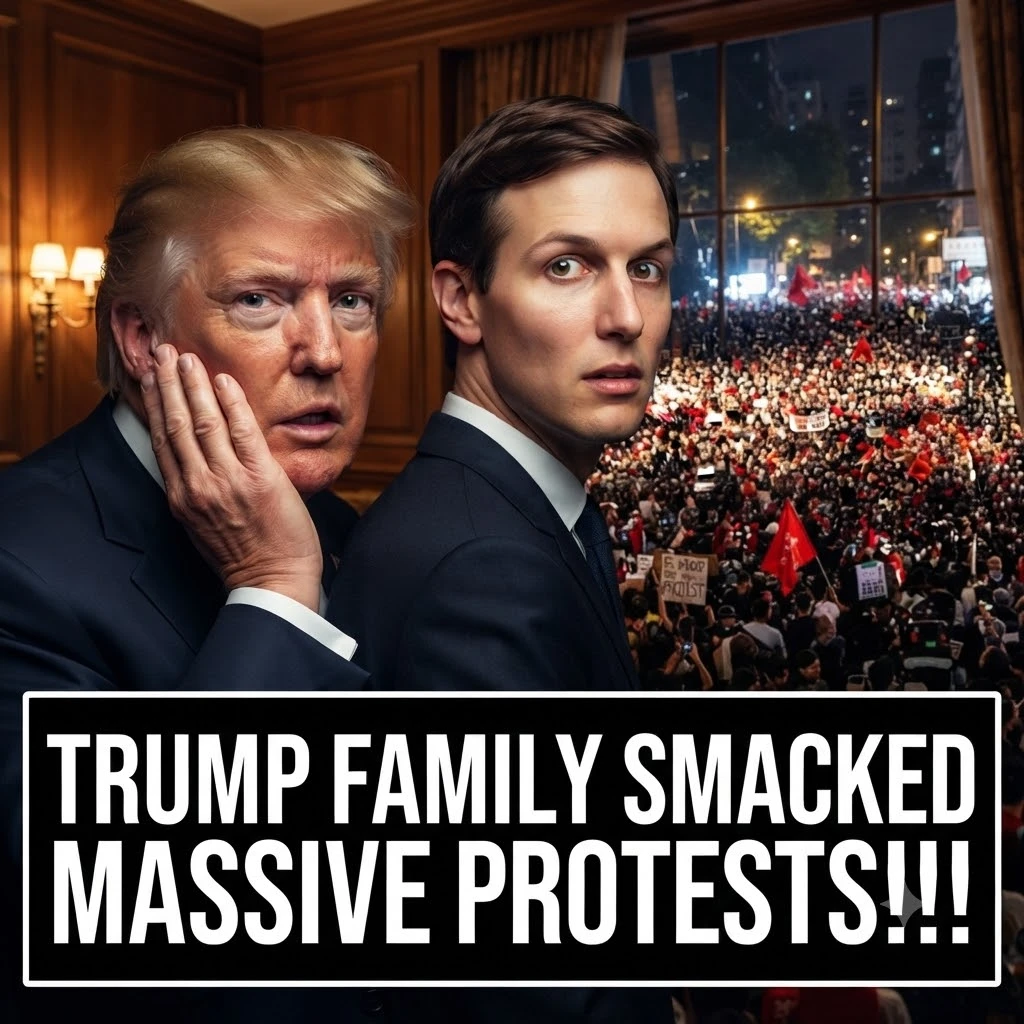
Across the United States, a new wave of протест is building momentum, drawing millions into the streets under a unifying message: “No Kings.” What began as scattered demonstrations is rapidly evolving into one of the largest coordinated protest movements in modern history.
The upcoming nationwide rally, scheduled for March 28, 2026, is expected to span more than 3,000 locations, with a central gathering in Minneapolis. Organizers anticipate record-breaking turnout as public frustration reaches a boiling point.
This marks the third major mobilization under the “No Kings” banner. The first, held in June 2025, drew an estimated five million participants, while a second protest later that year in Philadelphia attracted even larger crowds across the country.
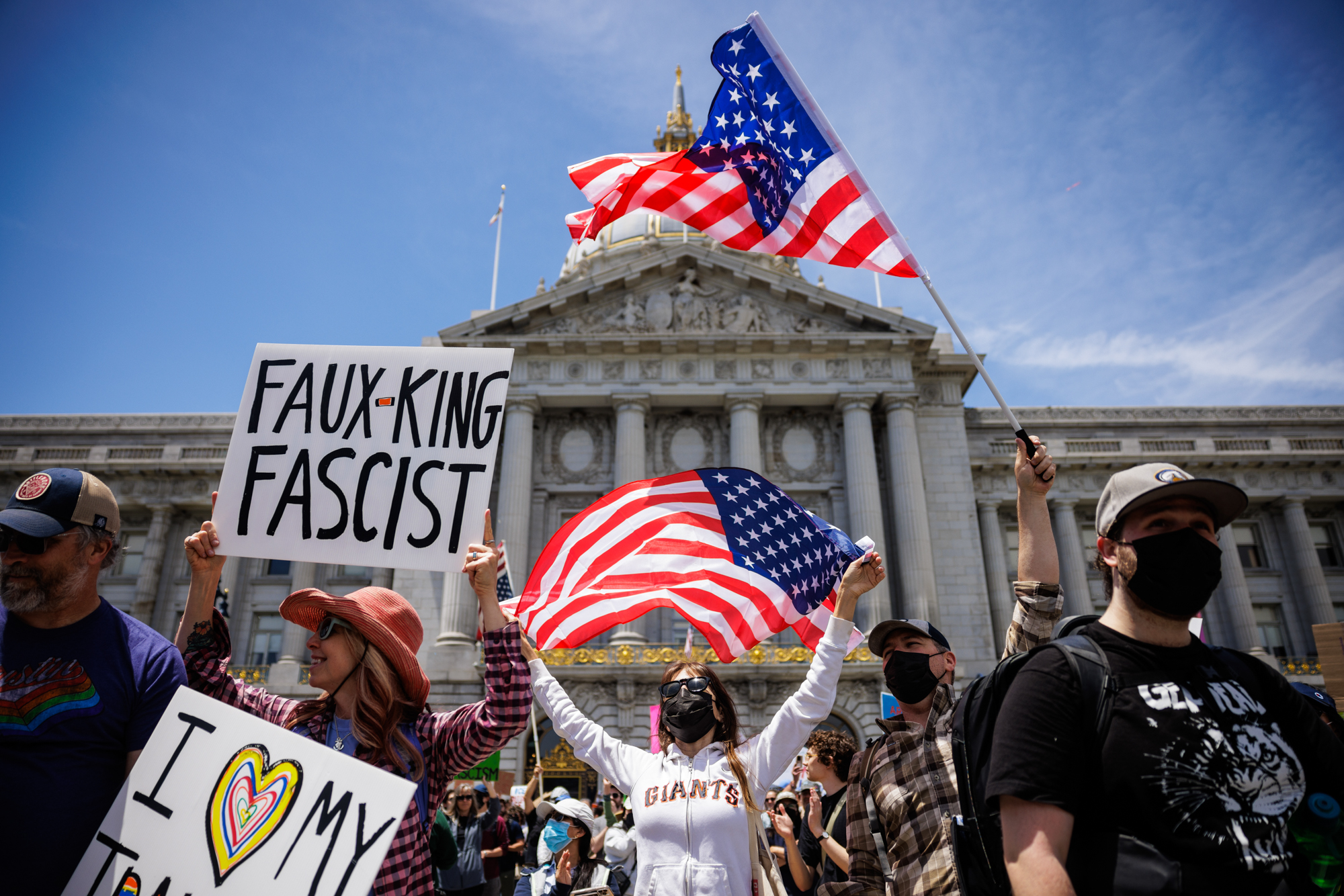
Now, expectations are higher than ever. Activists believe this third demonstration could become the largest mass protest in U.S. history, fueled by growing dissatisfaction with the leadership of Donald Trump.
Central to the movement is a perception among participants that democratic norms are under threat. Protesters point to a series of controversial decisions and actions they argue have pushed the boundaries of executive power.
These concerns range from aggressive foreign policy strategies to domestic political clashes. Critics cite escalating tensions abroad and increasingly confrontational rhetoric at home as evidence of a broader shift in governance style.
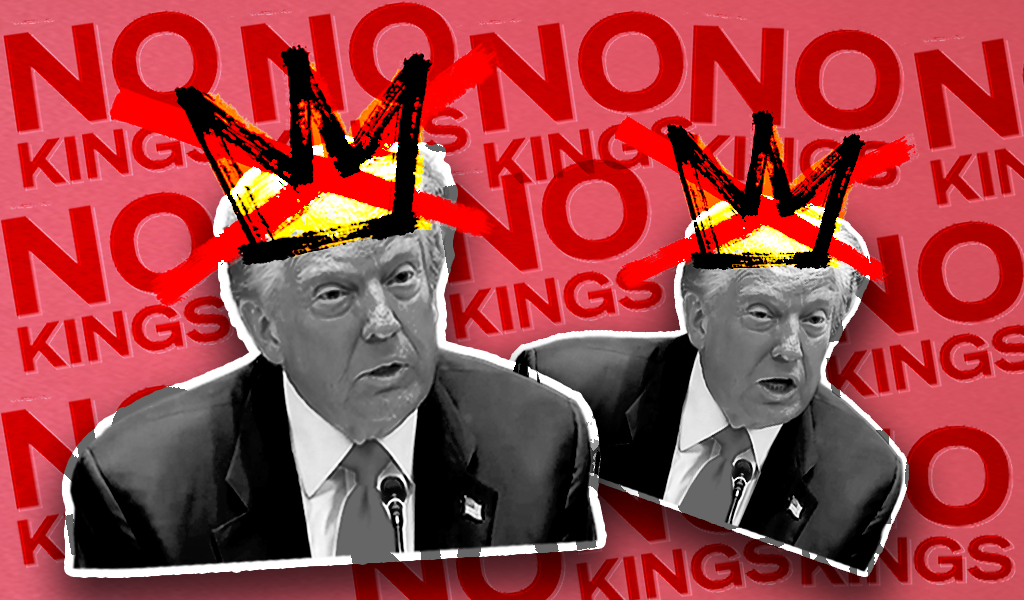
Economic pressures have also played a role. Rising living costs, healthcare concerns, and financial uncertainty have intensified public anxiety, drawing in individuals who may not have previously engaged in political activism.
Behind the scenes, advocacy groups such as Indivisible have helped coordinate efforts, framing the protests as a response to what they describe as an “illusion of inevitability” surrounding current leadership.
Co-founder Ezra Levin has emphasized the importance of visible, collective action, arguing that large-scale demonstrations can reshape political narratives and challenge perceptions of uncontested power.

Notably, support for the movement has expanded beyond grassroots organizers. Several Democratic governors and members of Congress have publicly aligned themselves with the protests, signaling a shift toward more direct political engagement.
At the same time, concerns have emerged regarding the potential response from federal authorities. Some activists worry about the expanded role of agencies like U.S. Immigration and Customs Enforcement in maintaining order during large-scale demonstrations.
Despite these tensions, the message of the movement remains focused: a call to reaffirm democratic principles and reject any concentration of power perceived as excessive. For many participants, the protests are as much symbolic as they are political.

The cultural dimension is also significant. High-profile figures, including Bruce Springsteen, are expected to lend their voices, transforming the demonstrations into events that blend activism with cultural expression.
Yet beneath the energy lies a deeper uncertainty about the future. Whether these protests will translate into lasting political change—or simply reflect a moment of heightened tension—remains an open question.
What is clear, however, is that the scale and intensity of the “No Kings” movement mark a defining moment. As crowds gather across cities and towns, the streets themselves are becoming a stage for a national debate about power, accountability, and democracy.