Canada’s Strategic Pivot: How Carney’s China Gamble Redefined the Global Trade Game
In a move that caught Washington off guard, Mark Carney has launched a bold economic strategy that could reshape global trade dynamics, challenging the long-standing dominance of Donald Trump and his aggressive tariff policies.
The turning point came in January 2026, when Carney traveled to Beijing—the first Canadian leader to do so in nearly a decade. What followed was a sweeping agreement that signaled a dramatic thaw in relations with China.
At the heart of the deal was a major concession: China reduced tariffs on Canadian canola exports from 85 percent to just 15 percent, reopening a multibillion-dollar market that had been effectively closed for years.
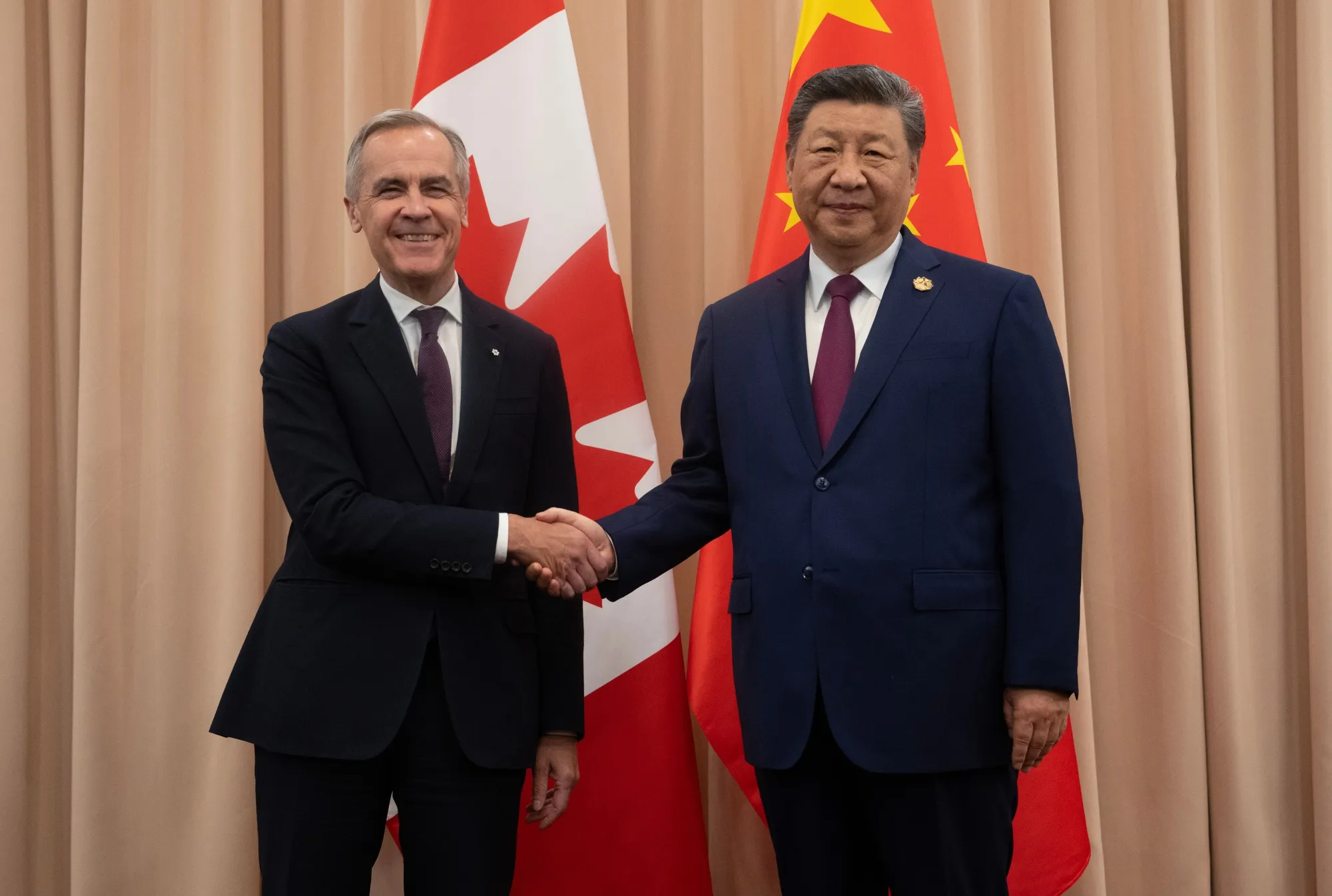
In return, Canada agreed to allow limited imports of Chinese electric vehicles at significantly reduced tariffs. Plans for joint EV manufacturing ventures were also outlined, pointing toward deeper industrial cooperation in the years ahead.
Initially, Trump appeared supportive, describing the agreement as a pragmatic move. But the tone shifted dramatically after Carney’s high-profile speech at World Economic Forum, where he declared the “American-led order” was coming to an end.
The statement resonated globally, drawing applause from leaders seeking alternatives to traditional power structures. Yet in Washington, it was interpreted as a direct challenge—one that appeared to undercut U.S. influence on the world stage.
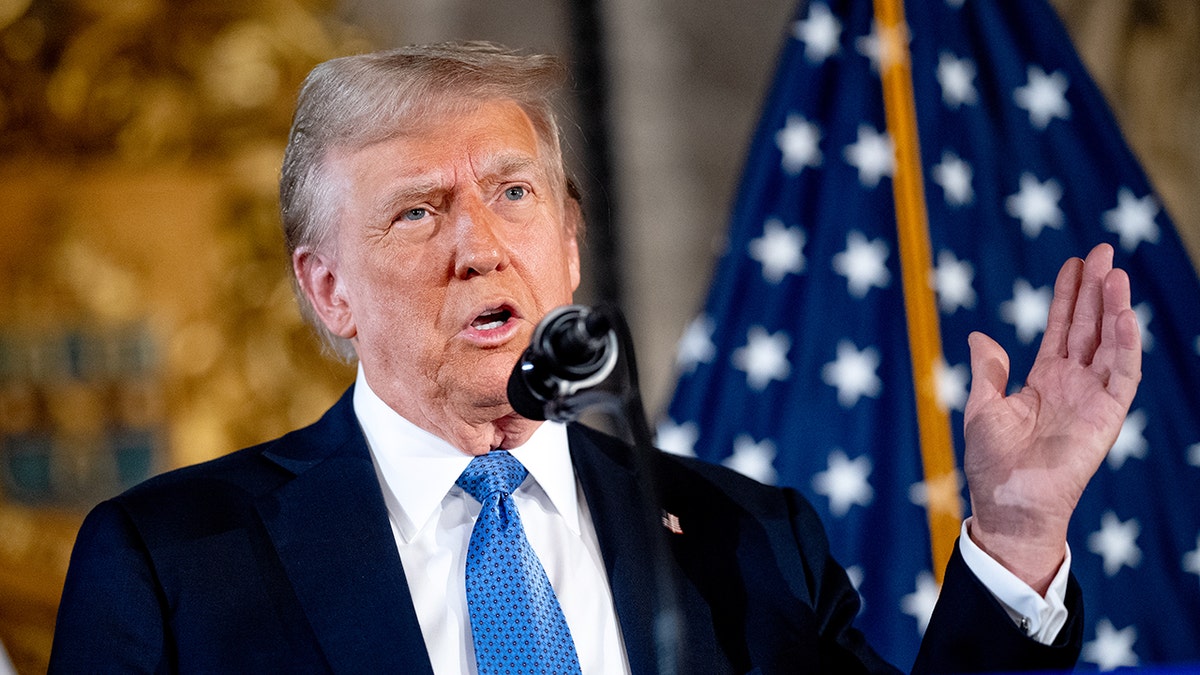
Within days, Trump reversed course, threatening to impose sweeping 100 percent tariffs on Canadian goods. He accused Canada of enabling Chinese economic expansion and warned of severe consequences for cross-border trade relations.
Carney’s response was striking in its restraint. Rather than escalating tensions, he issued a brief, technical clarification, emphasizing that Canada remained compliant with CUSMA and had no plans for a full free trade pact with China.
This calculated silence served a strategic purpose. By avoiding direct confrontation, Carney positioned Trump’s threats as disproportionate, shifting the narrative in Canada’s favor among international observers and reinforcing his image as a measured global actor.

The impact is already being felt domestically. Canadian farmers, particularly in the canola sector, have regained access to a crucial export market, while U.S. agricultural producers continue to face retaliatory tariffs stemming from ongoing trade disputes.
Beyond immediate gains, Carney’s broader vision is becoming clearer. He is actively cultivating alliances with so-called “middle powers,” including partners in Europe, Asia, and beyond, aiming to reduce reliance on any single economic superpower.
This strategy could significantly alter upcoming negotiations over North America’s trade framework. With alternative markets now in play, Canada enters future discussions with greater leverage and a credible fallback position.

Two distinct paths now lie ahead. In one scenario, Trump’s tariff threats remain a negotiating tactic, eventually leading to compromise. In another, escalation triggers a deeper economic rupture between two historically intertwined economies.
Such a breakdown would mark a turning point in a relationship spanning more than six decades. Supply chains, energy flows, and investment patterns could all be reshaped, with consequences extending far beyond North America.
For now, Carney’s gamble appears to have shifted the balance of power. By proving Canada has options, he has redefined the rules of engagement—transforming what once looked like vulnerability into strategic advantage on the global stage.