Testimony Under Oath: A Turning Point in the Trump Documents Case
In the intricate world of legal strategy, consistency is everything. When narratives shift—especially under oath—the consequences can be profound. That reality is now unfolding in a case that continues to draw intense national attention.
At the center is Donald Trump, whose handling of classified documents has been the subject of ongoing investigation. What once appeared to be a stable line of defense is now facing renewed scrutiny.
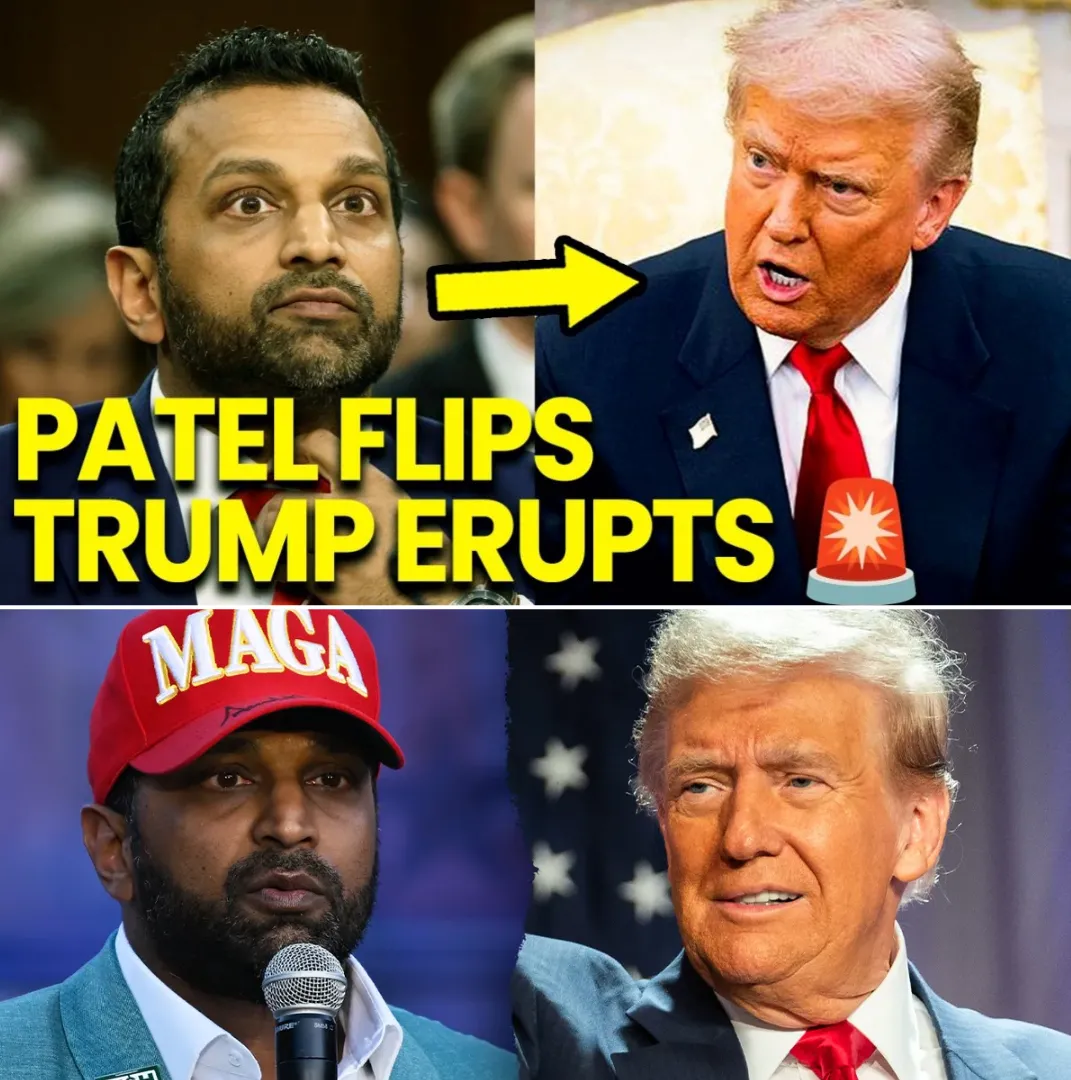
A key figure in that defense, Kash Patel, had publicly supported claims that certain documents were effectively declassified under a standing order. The argument became a cornerstone in broader efforts to challenge the legal case.
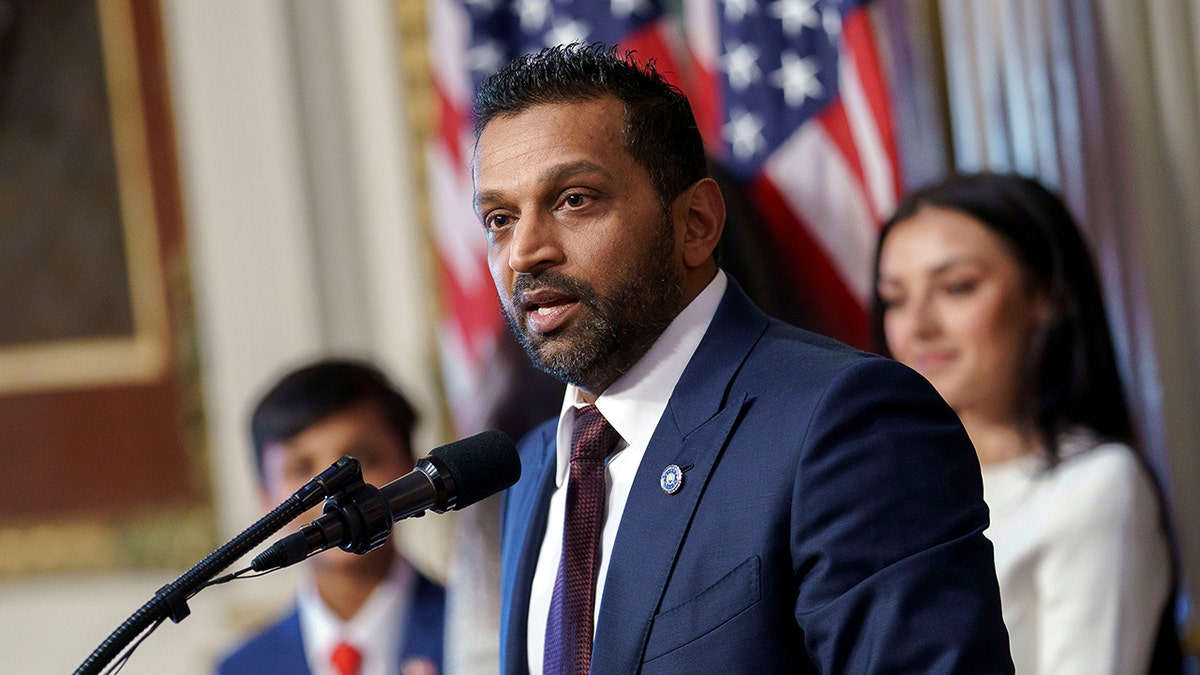
However, developments behind closed doors have complicated that narrative. After being granted use immunity, Patel testified before a grand jury—an environment where statements carry legal weight and are subject to strict penalties for inconsistency.
According to reports, Patel’s sworn testimony did not affirm the existence of a formal or standing declassification order. Instead, his account appeared more aligned with the prosecution’s position that established procedures had not been followed.
This distinction is more than technical. In cases involving classified material, the process of declassification is central. Without clear evidence that proper steps were taken, claims of informal or automatic declassification become significantly harder to sustain.
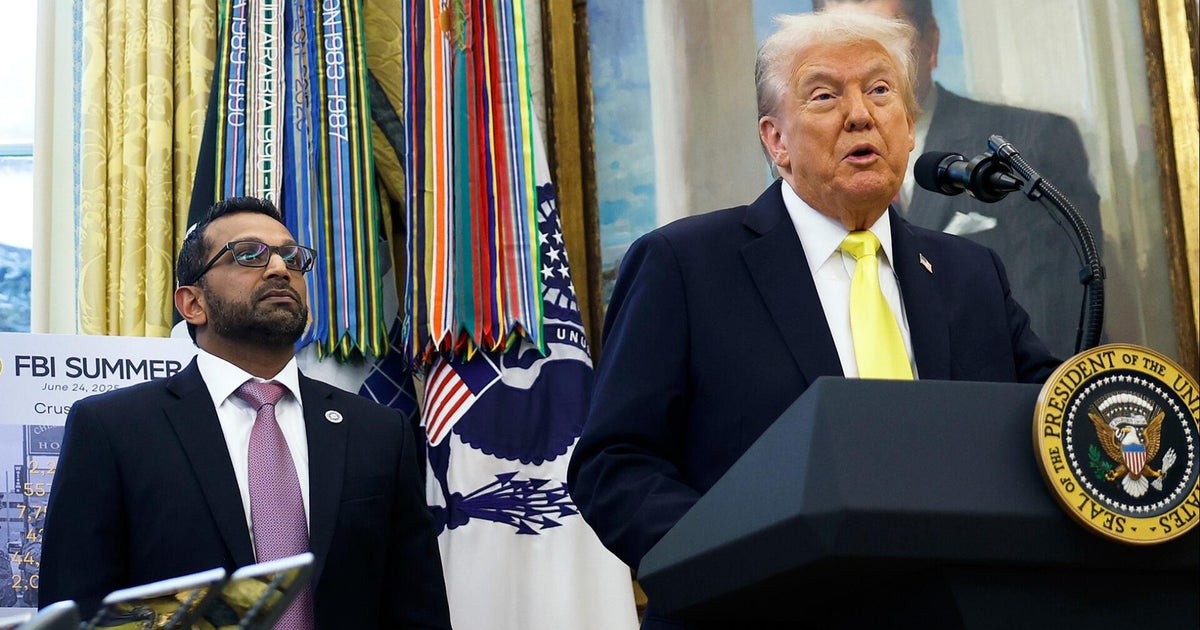
For prosecutors, such testimony may prove valuable. Establishing that key witnesses do not support a central defense argument can reshape the legal landscape, narrowing the space in which alternative explanations can operate.
At the same time, the nature of grand jury proceedings means much of the full context remains confidential. What is known publicly represents only a portion of the broader evidentiary picture that may emerge as proceedings continue.
Parallel to these developments, newly released FBI documents connected to the broader Jeffrey Epstein investigation have added another layer of complexity. These include interview memos containing allegations that remain unproven and strongly denied.

Legal experts caution against conflating separate strands of information. While both developments involve high-profile figures, each follows its own evidentiary standards and legal trajectory, requiring careful and independent evaluation.
Within political circles, however, perception often moves faster than process. The idea that a previously supportive witness has offered testimony perceived as less favorable is already influencing public discourse.
Supporters of Trump emphasize that testimony can be interpreted in multiple ways and that legal defenses evolve as cases develop. Critics argue that any inconsistency highlights deeper vulnerabilities in the broader narrative.
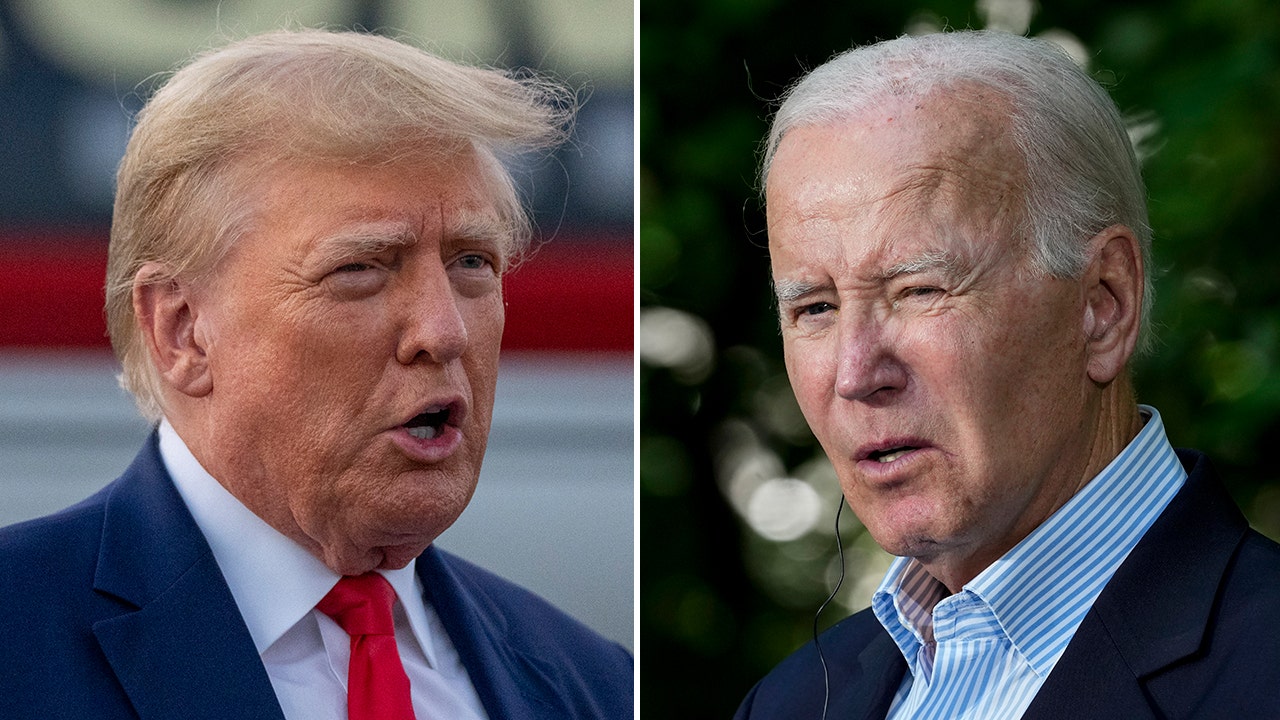
For observers in both the United States and the United Kingdom, the case represents more than a legal dispute. It is a reflection of how institutions manage accountability, particularly when the individuals involved hold or have held significant power.
As the situation unfolds, the focus will remain on evidence, corroboration, and legal argument. In such cases, outcomes are rarely determined by a single moment—but certain moments can alter the direction of the entire process.
For now, Patel’s testimony stands as one of those moments. Quiet in delivery, perhaps, but potentially far-reaching in impact—reshaping not only a defense, but the trajectory of a case still very much in motion.