Pressure in Parliament: Starmer Faces Tough Questions as Welfare Debate Intensifies
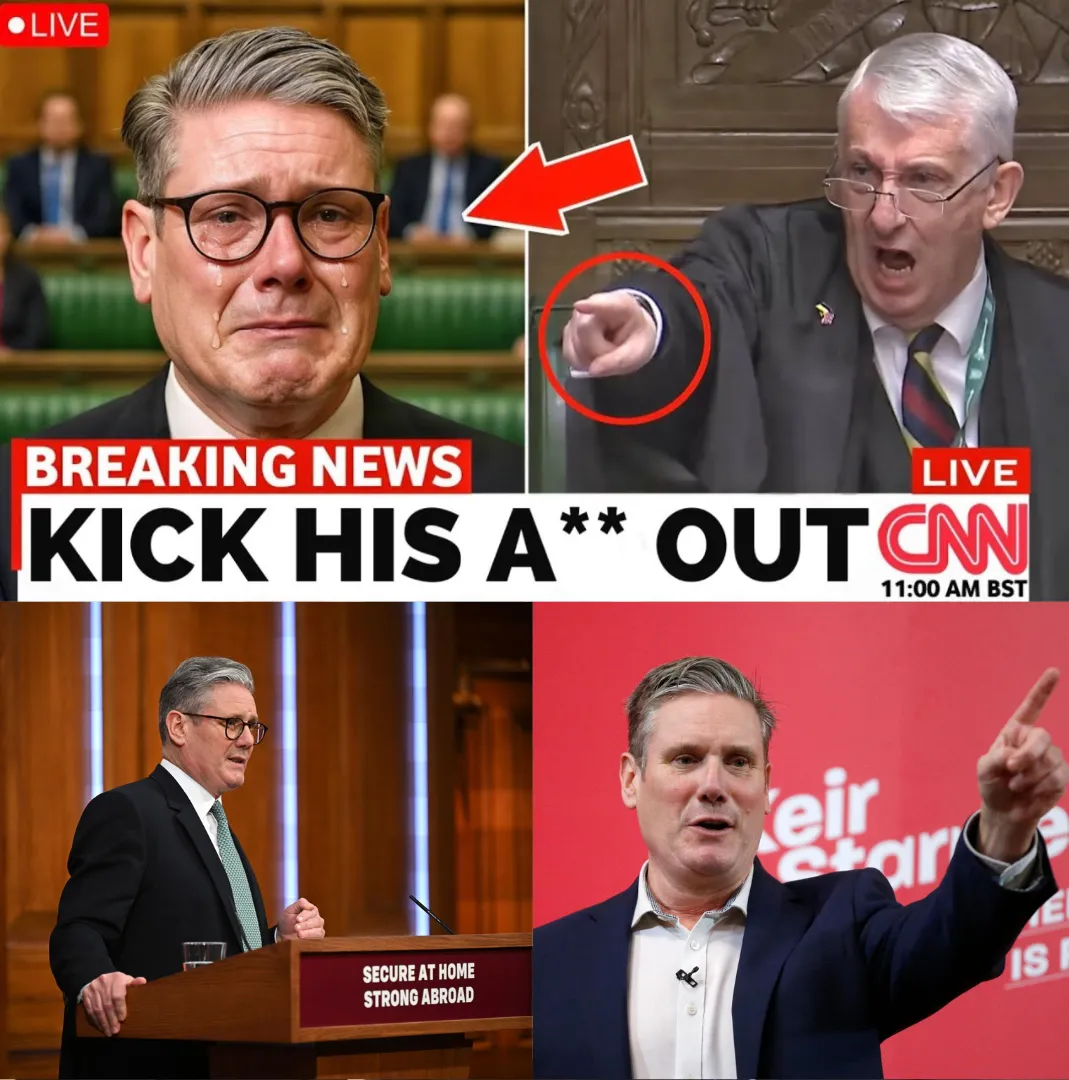
In the chamber of Parliament, where words often carry as much weight as policy, a single exchange can reshape perception. This week, a routine session turned into a defining moment for the government’s welfare agenda.
At the center stood Keir Starmer, defending a reform bill intended to balance fiscal responsibility with social support. Opposite him, Kemi Badenoch pressed with precision, seeking clarity where ambiguity had lingered.
Her opening question appeared straightforward: how much money would the proposed welfare reforms actually save? It was the kind of figure that could anchor the entire policy—yet a clear answer did not immediately follow.

Starmer responded by outlining the broader philosophy behind the reforms, emphasizing support for those unable to work while encouraging others back into employment. The vision was clear, but the specifics remained just out of reach.
Sensing an opportunity, Badenoch sharpened her approach. She pointed to recent amendments made after internal resistance within the governing party, suggesting that key cost-saving measures had already been diluted or removed.
Her argument was direct: a bill introduced to reduce spending risked doing the opposite. The implication was not merely technical but political—raising doubts about the coherence and credibility of the government’s strategy.

The exchange intensified as Badenoch shifted focus. If savings were uncertain, she asked, what about outcomes? How many individuals would these reforms successfully return to work? Again, the response offered direction but not definitive numbers.
In Parliament, absence can be as powerful as presence. Each unanswered question seemed to deepen the tension, turning a policy discussion into a broader examination of leadership under pressure.
Badenoch escalated further, warning that welfare costs could climb toward £100 billion. She suggested that without clear savings, future tax increases might become unavoidable—a prospect that resonates strongly with both voters and markets.

Starmer did not directly rule out that possibility. Instead, he pivoted to a wider narrative, highlighting economic growth, investment initiatives, and what he framed as early achievements of his government’s tenure.
The clash soon evolved beyond the specifics of welfare reform. Badenoch accused the government of inconsistency and retreat, while Starmer countered by attributing current challenges to the legacy of the previous Conservative administration.
For observers, the exchange revealed more than policy disagreement. It exposed underlying divisions about economic direction, fiscal discipline, and the balance between social support and financial sustainability.

In both the United Kingdom and beyond, such moments are closely watched. They offer insight not only into policy detail but into the resilience and adaptability of leadership under scrutiny.
As the debate continues, the unanswered questions may prove as significant as the answers eventually given. In politics, clarity builds confidence—but ambiguity can shape narratives just as powerfully.
What began as a simple inquiry has now become part of a larger story—one that will likely influence how the government’s welfare reforms are judged in the months ahead.