A storm is gathering inside America’s most powerful law enforcement agency. What began as a personnel decision has rapidly escalated into a national controversy, raising urgent questions about independence, accountability, and the boundaries between justice and politics.
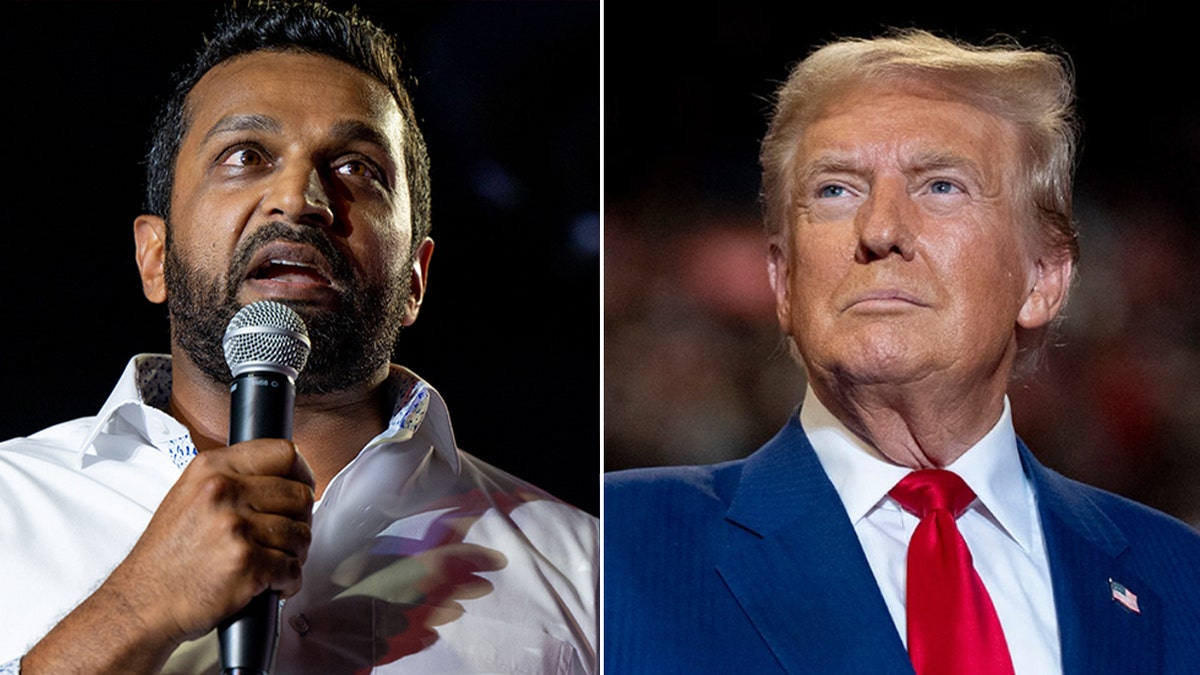
At the center of the unfolding drama is Kash Patel, who reportedly authorized the dismissal of several FBI agents connected to the 2022 investigation into Donald Trump. The move has triggered intense reactions across political and legal circles.
The agents in question were involved in the high-profile search of Trump’s Mar-a-Lago residence, part of a broader federal inquiry into the handling of classified documents following his departure from office. That investigation had long been a focal point of political division.
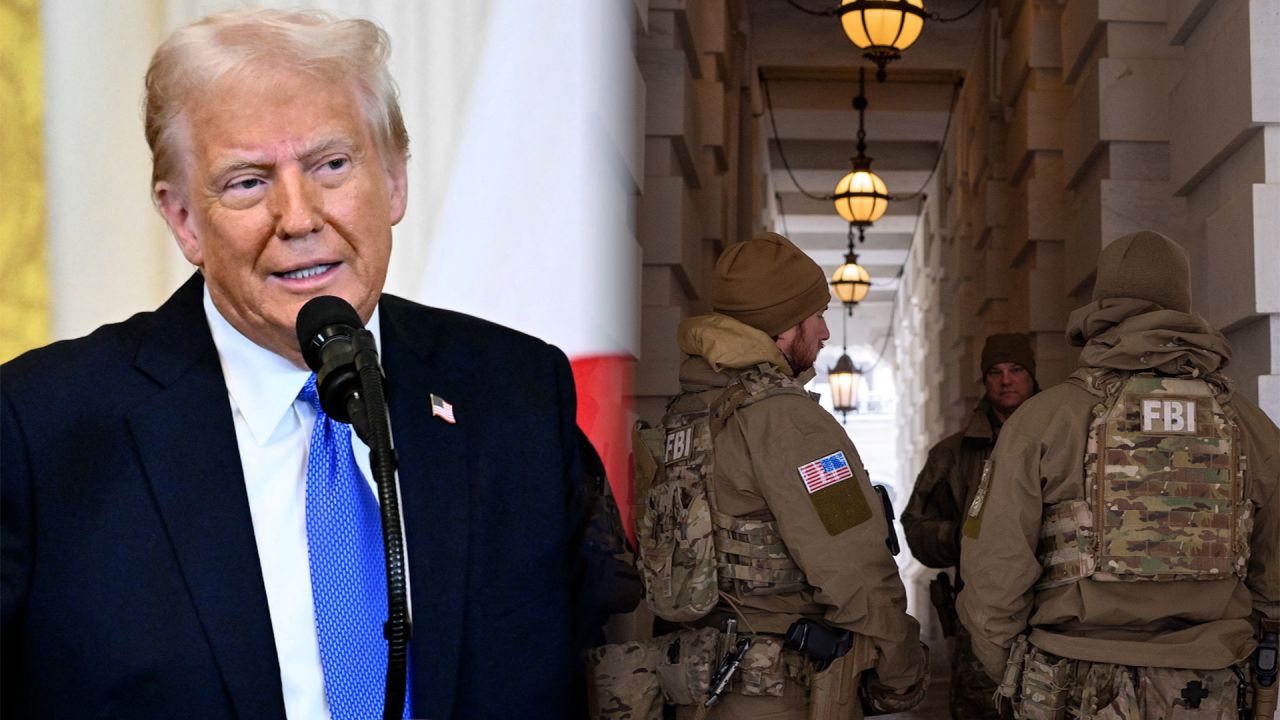
According to reports, Patel justified the firings by alleging misconduct related to the acquisition of his personal phone records. However, those records were reportedly obtained through court-approved subpoenas, raising immediate doubts about the validity of the claims.
Critics have been quick to characterize the dismissals as retaliatory. Legal experts warn that removing investigators tied to politically sensitive cases risks undermining the foundational principle that law enforcement must operate free from political influence.
The concern extends beyond the individuals involved. Within the FBI community, unease is growing. The FBI Agents Association has expressed alarm, suggesting that such actions could create a chilling effect on agents tasked with pursuing complex or controversial investigations.
Former officials have also entered the debate, with some reportedly exploring legal challenges. They argue that the dismissals may violate due process protections and set a dangerous precedent for how internal disputes are handled within federal agencies.
Supporters of the decision, however, contend that accountability must apply at every level. They argue that if misconduct occurred, leadership has a responsibility to act decisively—regardless of the political sensitivities surrounding a case.
Yet the timing and context of the firings make the situation difficult to separate from broader political narratives. For many observers, the question is not only whether the action was justified, but what it signals about the evolving relationship between politics and law enforcement.
The implications could be far-reaching. If agents begin to fear professional consequences tied to politically charged investigations, it may alter how future cases are approached—or whether they are pursued at all.
In Washington, where perception often shapes reality, the episode has already begun to influence public discourse. Trust in institutions, once eroded, is not easily restored, and moments like this tend to leave lasting impressions.
As the situation continues to develop, one reality stands out: the strength of any justice system lies not only in its authority, but in its perceived neutrality. When that neutrality is questioned, the consequences can extend far beyond a single decision.
For now, the nation watches closely, aware that what is unfolding inside the FBI may have implications not just for one investigation, but for the integrity of the system itself.