A Clash Behind Closed Doors: Military Tensions Surface as Admiral Steps Down
In Washington, moments of quiet disagreement rarely stay hidden for long. But when conflict emerges at the highest levels of military and political leadership, the consequences can ripple far beyond a single meeting or decision.
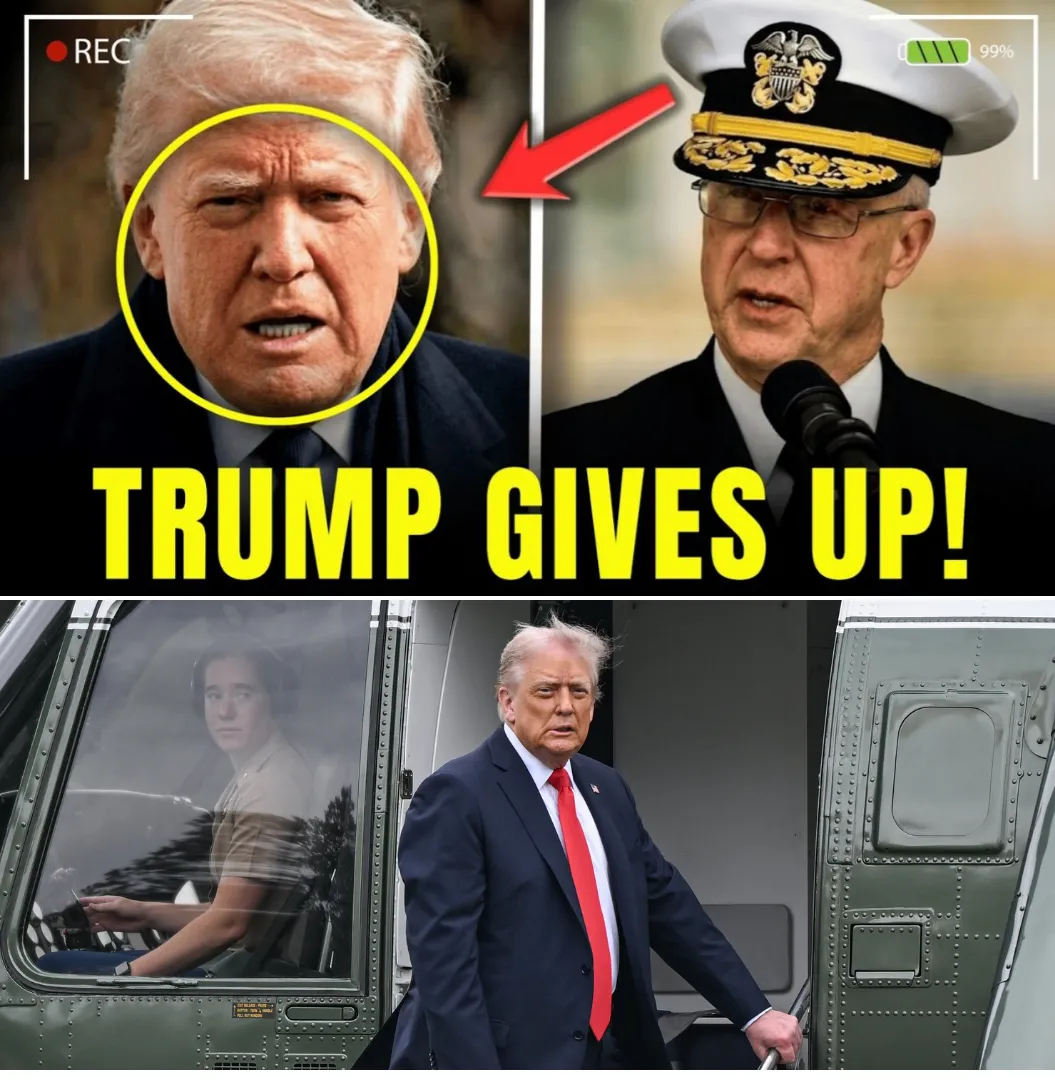
That appears to be the case following the sudden retirement of Alvin Holsey, a senior commander whose departure has raised serious questions about tensions within the U.S. defense establishment. His exit, after decades of service, has not gone unnoticed.
Reports suggest the situation had been building for months. Concerns were reportedly raised within military circles about operations targeting suspected drug-trafficking vessels near Venezuela—missions that some officials feared relied on uncertain intelligence and carried legal risks.

At the center of the controversy are broader questions about the use of force and adherence to international law. Military lawyers and senior officers are said to have voiced unease, warning that aggressive actions could expose U.S. personnel to unintended consequences.
The turning point reportedly came during a high-level meeting in Quantico, Virginia. Present were key defense officials, including Donald Trump and Defense Secretary Pete Hegseth, alongside top military leadership.
According to accounts of the meeting, Admiral Holsey directly challenged the direction of policy. Witnesses describe a tense exchange in which he raised concerns about both the legality and strategic wisdom of the ongoing operations.

What followed, by several reports, was a confrontation that broke from the usual norms of civil-military dialogue. Voices were raised, positions hardened, and the meeting ended without resolution—leaving those present aware that a line had been crossed.
Shortly thereafter, Holsey announced his retirement, bringing an abrupt end to a 37-year career. While official statements framed the decision as routine, the timing has fueled speculation that it was anything but.
For analysts, the episode highlights a deeper issue: the delicate balance between civilian authority and military expertise. In democratic systems, that balance is essential—but also inherently fragile, particularly in moments of strategic disagreement.
Critics argue that sidelining or losing experienced military voices could weaken decision-making at a time when global challenges demand clarity and cohesion. Supporters, however, emphasize the primacy of elected leadership in setting national policy.
The debate has quickly expanded beyond the individuals involved. Questions are now being asked about the broader direction of U.S. military strategy, as well as the processes through which critical decisions are made and contested.
In both the United States and the United Kingdom, where civil-military relations are closely studied, the incident is being viewed as a case study in how internal tensions can surface—and what they may reveal about institutional resilience.
Yet much remains uncertain. Without official confirmation of the details, the full story exists somewhere between reported accounts and unanswered questions. What is clear, however, is that the episode has struck a nerve.
When a senior commander steps away under such circumstances, it is rarely dismissed as coincidence. Instead, it invites scrutiny—not only of the moment itself, but of the pressures that made it possible.
In the end, this is more than a story about one meeting or one resignation. It is a glimpse into the complex dynamics of power, principle, and responsibility—where decisions made in private can shape consequences felt far beyond the room.