Lines of Power: America’s Redistricting Battle Redefines the Road to 2026

In the United States, elections are meant to reflect the will of the people. Yet increasingly, attention is shifting from ballots to boundaries, as a fierce struggle over redistricting begins to shape the political landscape ahead of 2026.
What was once a technical process tied to the census has become a central battleground. Both parties now recognize that the way districts are drawn can be as decisive as the votes themselves—if not more so.
Former President Barack Obama has raised alarms, warning that the integrity of elections is “under attack.” His remarks reflect growing concern that structural changes may be influencing outcomes long before voters participate.
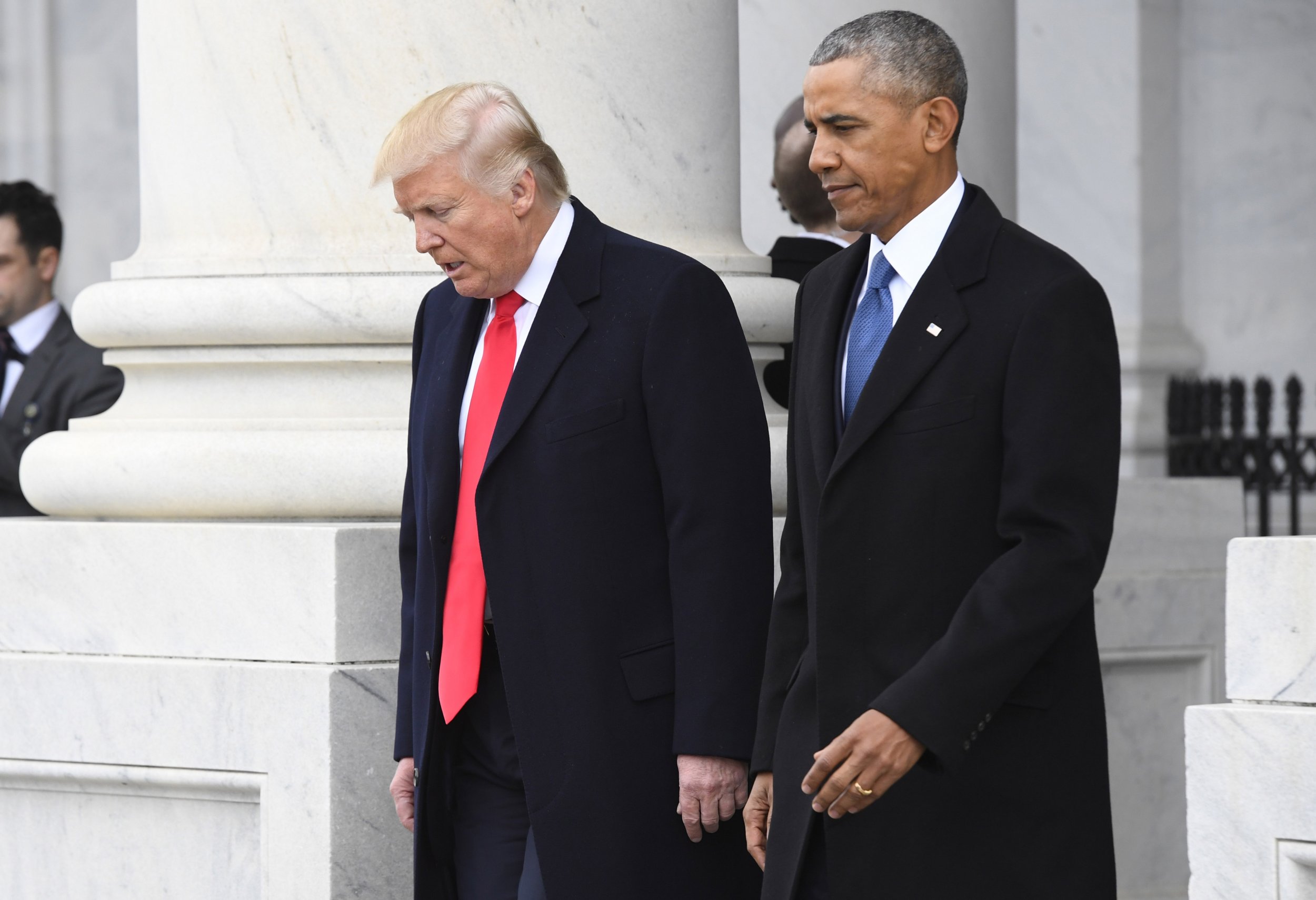
Since 2025, several Republican-led states have redrawn congressional maps outside the traditional ten-year cycle. Historically rare, such mid-decade adjustments are now occurring with unusual frequency, prompting accusations of strategic manipulation.
The controversy deepened after Donald Trump publicly suggested that redistricting efforts in Texas could yield additional Republican seats in the House. His comments brought national attention to what had been unfolding at the state level.
Democrats, however, have not remained passive. In states like California and Virginia, countermeasures are already in motion. New proposals aim to rebalance representation, even as they draw legal challenges from Republican opponents.
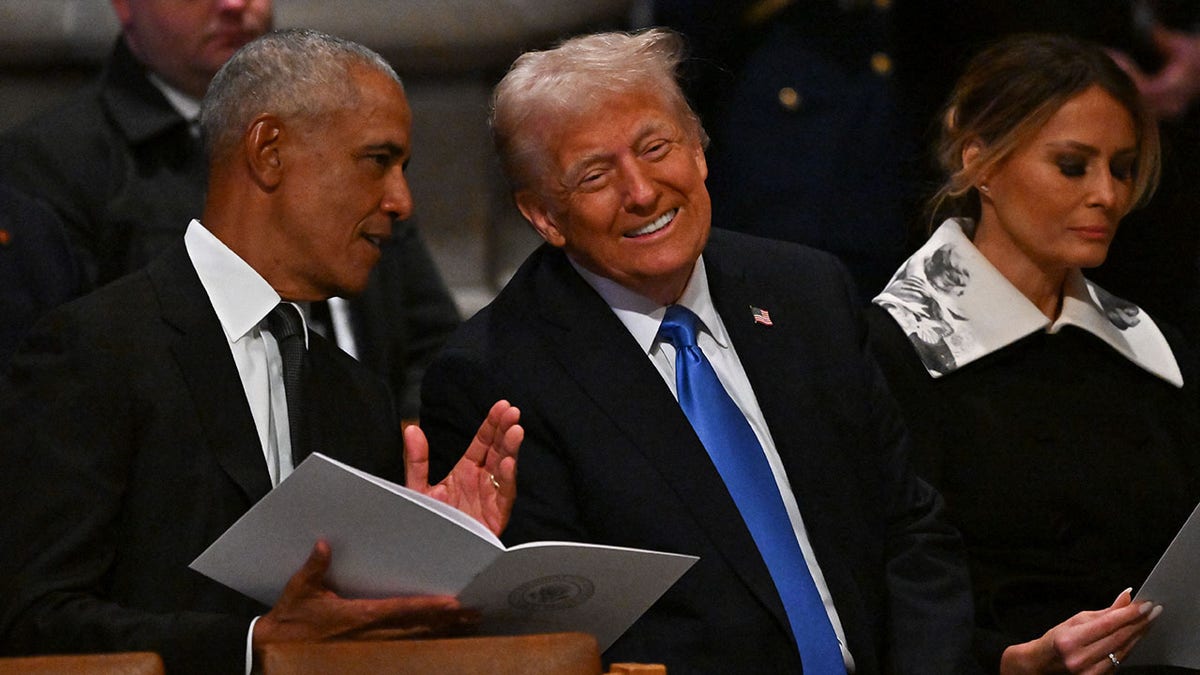
Virginia has become a focal point. A proposed redistricting plan could dramatically shift the state’s congressional delegation, triggering lawsuits and intensifying political tensions. Early voting timelines have only added urgency to an already volatile situation.
Legal battles are now unfolding across multiple states, with courts poised to play a decisive role. Judges will determine whether these new maps comply with constitutional standards—or cross the line into unlawful partisan advantage.
Behind the scenes, vast sums of money are being deployed. Political organizations, advocacy groups, and legal teams are investing heavily, recognizing that control of district lines may ultimately determine control of Congress itself.
At stake is not merely partisan victory, but public trust. As voters watch these developments unfold, questions are emerging about fairness, transparency, and the long-term health of democratic institutions.

Supporters of redistricting efforts argue they are acting within legal boundaries, using available tools to secure representation. Critics counter that legality does not necessarily equate to legitimacy, especially when outcomes appear engineered.
The result is what many analysts describe as a “redistricting arms race,” with each side escalating its efforts in response to the other. The cycle risks creating a feedback loop where increasingly aggressive tactics become normalized.
As the 2026 midterms approach, the implications are profound. The outcome may hinge not only on voter preferences, but on decisions made months—or even years—before ballots are cast.
In this evolving landscape, one reality stands clear: the lines on the map are no longer just geographic. They are lines of power, drawn in a contest that could redefine the future of American democracy.