WHEN RUMORS FILL THE GAPS: HOW A SINGLE MOMENT AROUND TRUMP TURNED INTO A VIRAL STORY

At first glance, it was an ordinary public appearance.
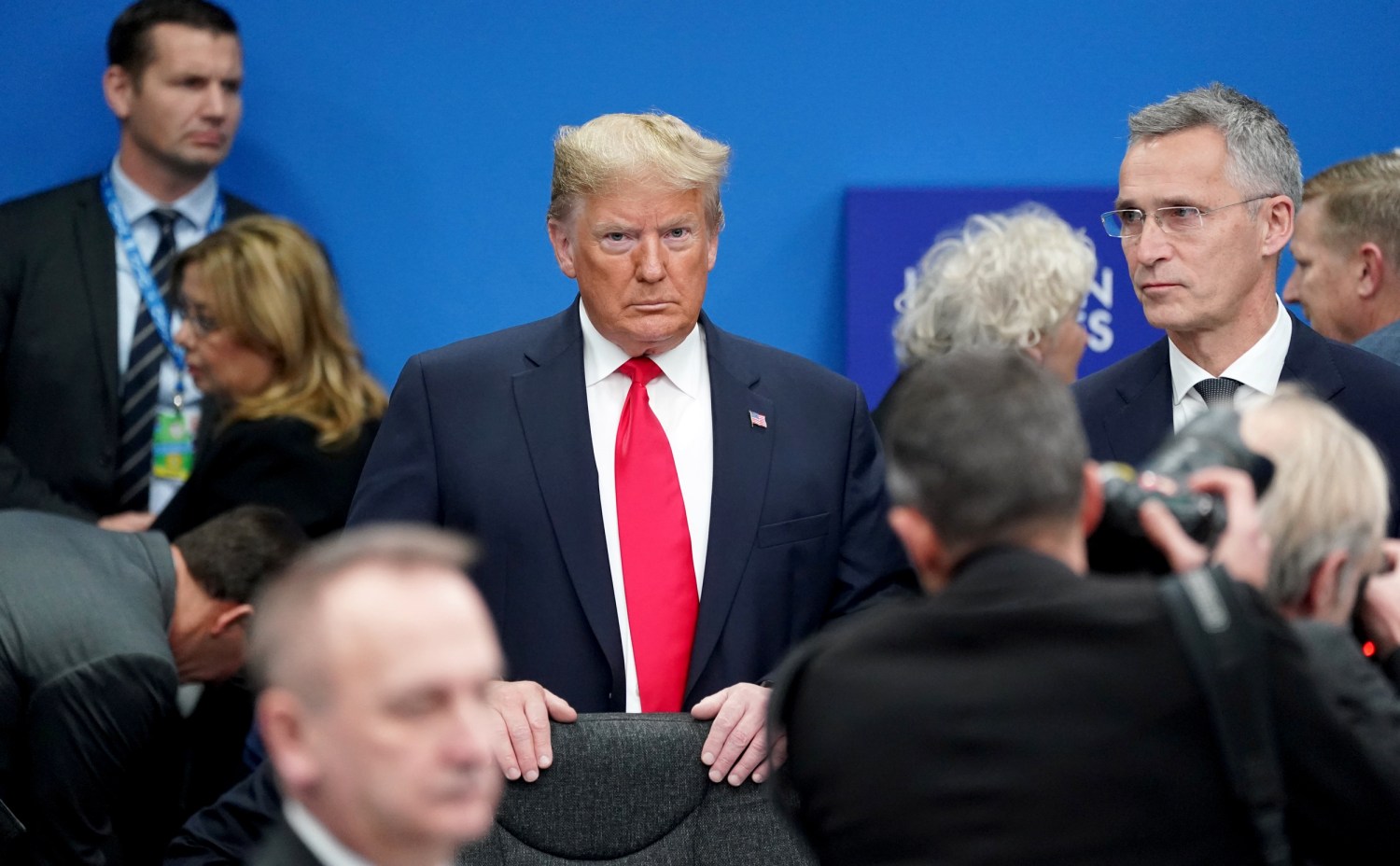
Donald Trump stood smiling at the FIFA Club World Cup awards ceremony, cameras flashing, players lined up, protocol followed to the letter. Nothing dramatic was said. Nothing unusual was announced. And yet, within hours, the internet had seized on something else entirely — not policy, not politics, but distance.
Why, people asked, did those around him seem to stand just a little farther away?
The Birth of a Viral Narrative
In today’s media environment, silence is never neutral. Every pause, every step back, every glance sideways becomes a canvas onto which audiences project meaning.
Viewers began slowing down footage. Screenshots circulated. Commentators pointed out how one player appeared to hesitate, then reposition himself. Others noted how staff subtly adjusted people’s positions, keeping everyone aligned for the cameras.
From there, the story took on a life of its own.
Online speculation rushed in to fill the vacuum left by the absence of explanation. Jokes, memes, and exaggerated theories spread faster than any official clarification ever could. What began as a few awkward seconds became, in the hands of social media, a full-blown narrative.
Optics Over Facts
Public figures live and die by optics. And Trump, more than most, has trained audiences to read symbolism into his presence.
Supporters saw nothing at all — just another choreographed event under intense scrutiny. Critics saw confirmation of long-held suspicions about how people behave around him. Neither side needed evidence; both had interpretation.
This is how modern rumor culture works. It doesn’t require proof. It requires only ambiguity.
A remembered moment from a past Texas disaster-site visit was dragged back into circulation — a clip where Trump repeatedly swatted at a fly during a press appearance. In isolation, it meant nothing. In context of a viral rumor cycle, it became “evidence.”
That’s the dangerous alchemy of the internet: unrelated moments fused together until they feel connected.
The People Trapped in the Frame

Lost in the speculation were the people actually standing there — athletes, officials, governors, staffers — individuals bound by protocol and stage management. At high-profile events, movement is rarely spontaneous. Where you stand, how long you stay, when you move — all are often dictated quietly by handlers whose job is to maintain order, symmetry, and broadcast-friendly visuals.
Stepping out of place isn’t just rude. It can derail the entire event.
What viewers read as discomfort may just as easily have been obedience to instruction. What looked like distance may have been choreography.
But choreography doesn’t go viral. Rumors do.
Why These Stories Stick
For older audiences especially, there’s something unsettling about how quickly dignity can be stripped away in the digital age. A leader once judged by speeches and decisions can suddenly be reduced to whispers and screenshots.
This isn’t new — gossip has always followed power — but the speed and scale are unprecedented. A rumor no longer needs credibility; it needs engagement. And Trump, as a figure who has dominated public attention for nearly a decade, remains uniquely susceptible to this dynamic.
Not because the stories are true — but because people are primed to believe something must be.
The Real Story Beneath the Noise
In the end, this wasn’t really about Trump.
It was about how quickly the public fills silence with imagination. About how the body language of a few seconds can overshadow years of political argument. About how rumor has become entertainment, and entertainment has become a substitute for understanding.
Trump left the ceremony. The players moved on. The event concluded.
But online, the story kept growing — proof that in modern politics, the most powerful force isn’t what happens on stage.
It’s what people decide they saw.