A Legal Misstep or Something More? Scrutiny Intensifies Over Trump Court Filing
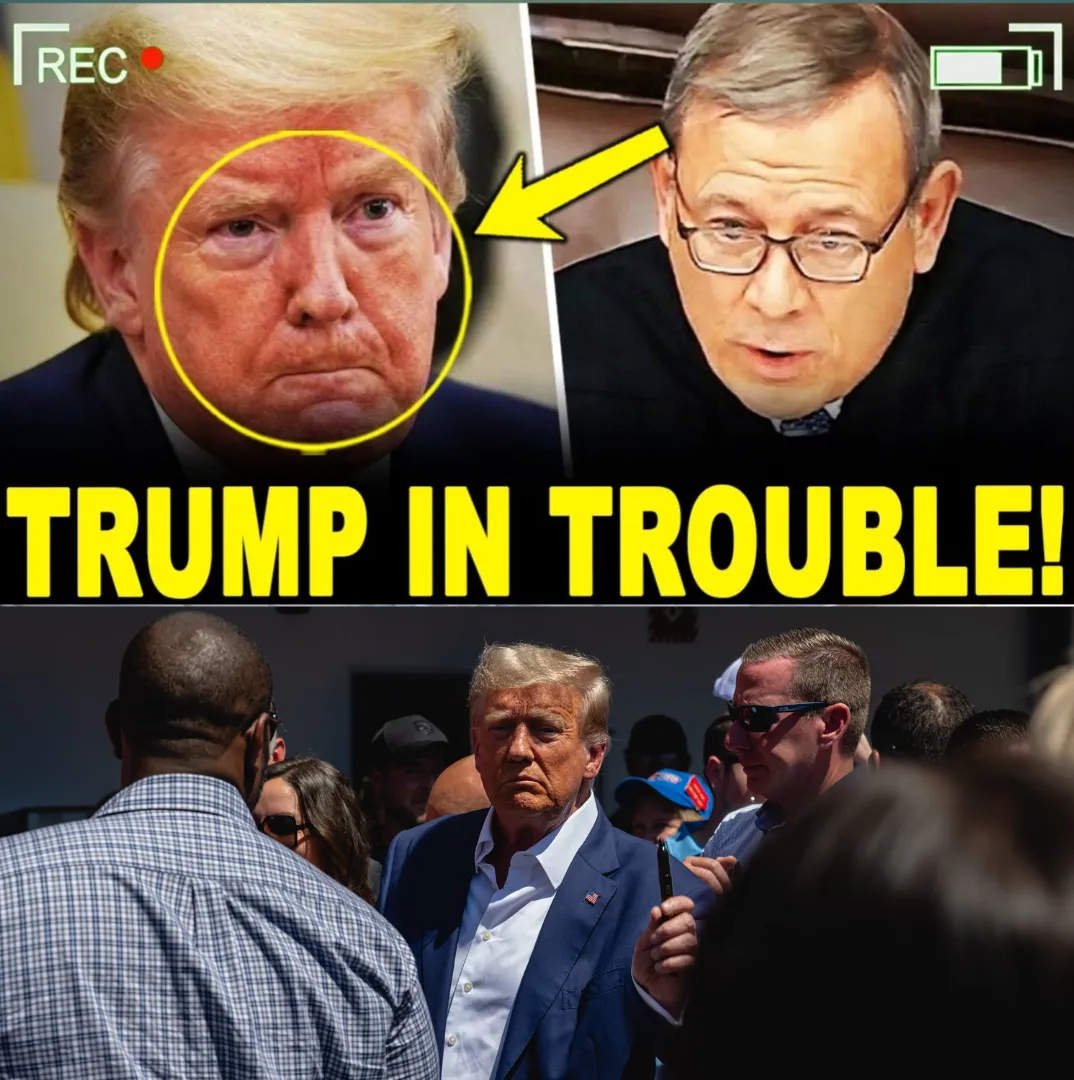
In a case already saturated with political tension, a new controversy has emerged—this time not from testimony or verdicts, but from the legal arguments themselves. Questions are now being raised about accuracy, credibility, and professional responsibility.
At the center stands Donald Trump, whose legal team recently submitted a petition to the nation’s highest court. The filing aimed to challenge rulings connected to a high-profile civil case that has drawn widespread attention.
That case involves E. Jean Carroll, who previously secured a multimillion-dollar judgment against Trump. The legal battle has become a focal point in broader discussions surrounding accountability and the limits of defamation law.

However, it is the content of the new petition that has sparked fresh concern. Critics allege that a key argument within the filing misrepresented the plot of an episode from Law & Order: Special Victims Unit.
According to the filing, the episode was cited to suggest that Carroll’s allegations were influenced by fictional storytelling. Yet independent fact-checking indicates that the storyline referenced differs significantly from the description presented in court documents.
This discrepancy has prompted sharp reactions from legal observers. Some interpret it as a sign of inadequate verification, while others raise the possibility that the argument was constructed in a way that could mislead or oversimplify key details.

The stakes are not merely reputational. Lawyers appearing before courts—particularly at the level of the Supreme Court of the United States—are bound by strict ethical standards requiring accuracy and good faith representation of facts.
This is not the first time Trump-aligned legal efforts have faced scrutiny. In recent years, several filings connected to election disputes and political litigation have drawn sanctions or criticism for lacking evidentiary support or containing misleading claims.
Supporters of the legal team argue that complex cases often involve interpretive arguments, and that references to cultural material are not inherently inappropriate. They caution against conflating disputed interpretation with intentional deception.
Yet critics counter that the distinction matters precisely because of the court involved. When arguments reach the Supreme Court, even minor inaccuracies can carry outsized consequences, shaping judicial perception and influencing precedent-setting decisions.
As the Court considers whether to hear the appeal, the controversy adds another layer of uncertainty. Should the petition be declined, previous judgments—including substantial financial penalties—will remain firmly in place.
For now, the debate continues to unfold beyond the courtroom, feeding into a wider narrative about law, politics, and the fragile boundary between persuasion and precision. In that space, even a single detail can shift the weight of an entire case.