Supreme Court Draws a Line: A Landmark Ruling Reshapes Presidential Power on Trade

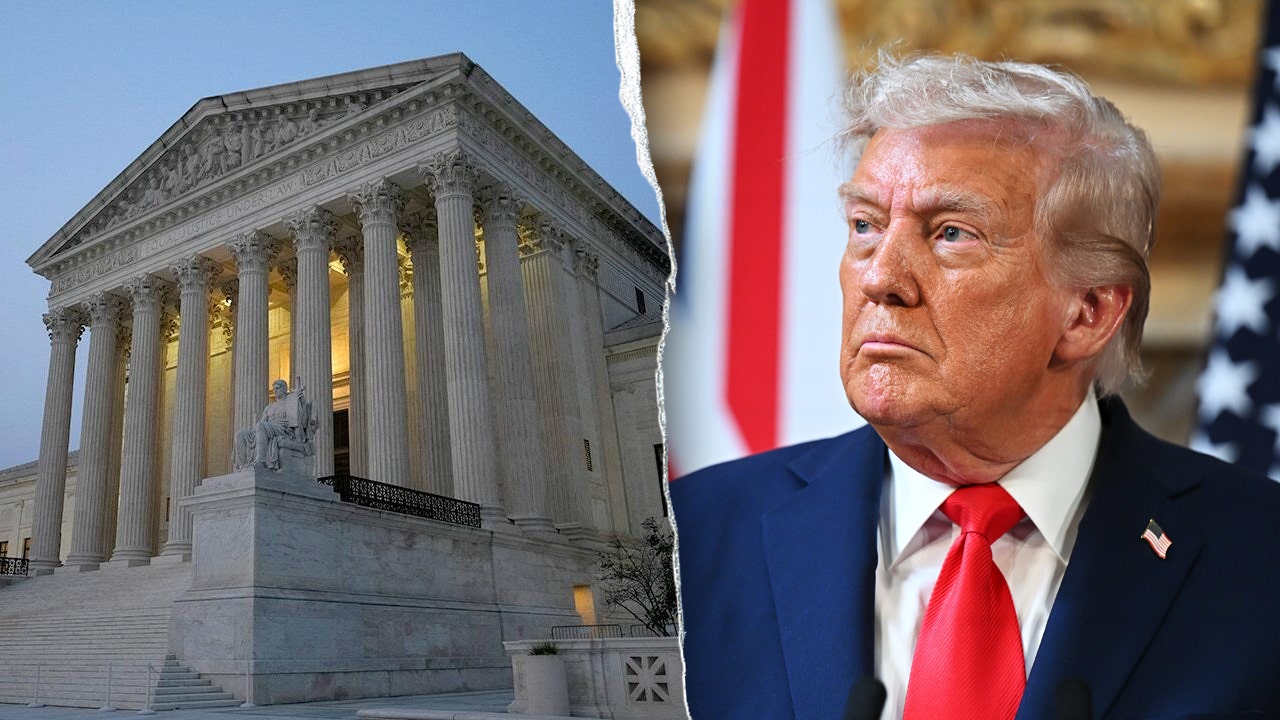
A decisive ruling from the Supreme Court of the United States has delivered a significant setback to Donald Trump, marking a pivotal moment in the ongoing struggle over the limits of executive authority.
At the heart of the case was Trump’s use of the International Emergency Economic Powers Act to justify sweeping tariffs on global trading partners. The administration argued that a declared national emergency granted broad powers to regulate imports.
The Court, however, rejected that interpretation in a 6–3 decision, concluding that the law does not authorize presidents to construct expansive tariff regimes. The ruling underscores a clear boundary between emergency authority and economic policymaking.
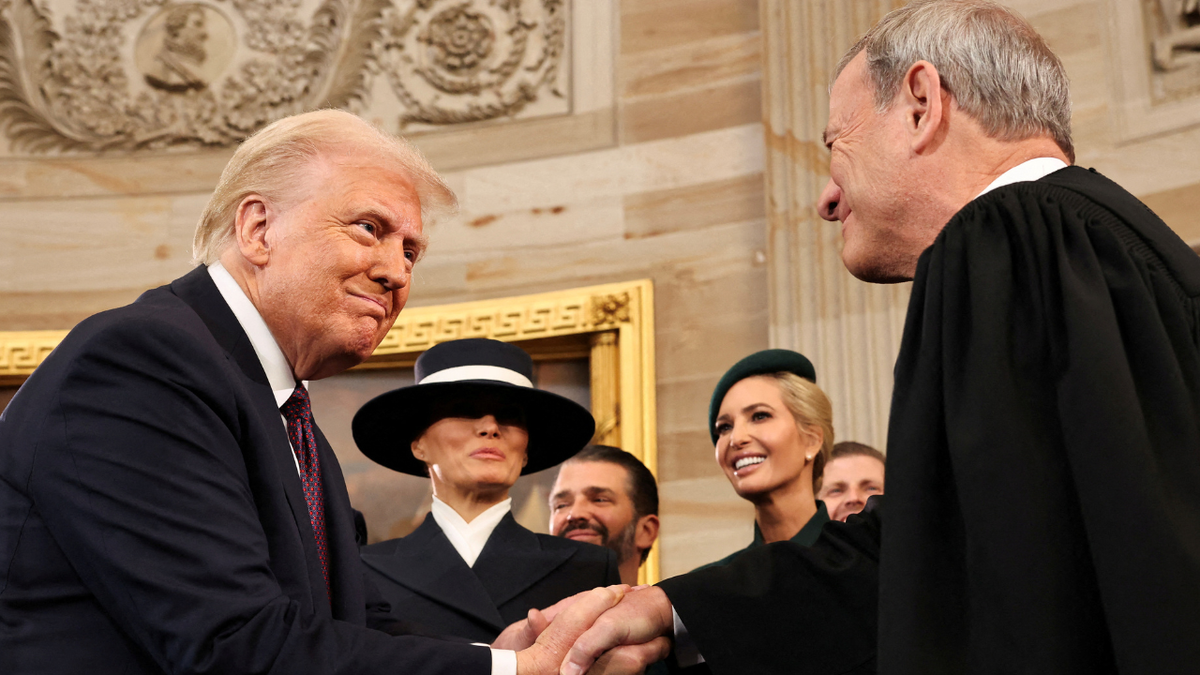
Writing for the majority, John Roberts emphasized that significant economic actions require explicit congressional approval. His opinion was joined by several conservative justices, including figures widely regarded as aligned with Trump’s judicial philosophy.
Among them were Neil Gorsuch and Amy Coney Barrett, both appointed during Trump’s presidency. Their support for the majority opinion added a layer of political complexity to an already consequential decision.
Central to the Court’s reasoning was the “major questions doctrine,” a principle asserting that policies of vast economic and political significance must be clearly authorized by Congress rather than inferred from broadly written statutes.

The implications of this doctrine extend far beyond tariffs. By reinforcing the requirement for legislative clarity, the ruling signals a judicial willingness to curb executive overreach, particularly in areas with sweeping national and international consequences.
For Trump, the decision effectively closes a key legal pathway. Any future attempt to impose similar tariffs would now require congressional approval, a process that is often politically fraught and far less predictable.
Within Washington, the political impact is already being felt. Tariffs have long been a divisive issue, even among Trump’s allies, and the loss of unilateral authority may complicate efforts to pursue an aggressive trade agenda.
More broadly, the ruling reflects a recalibration of power between the branches of government. It reinforces the idea that emergency powers, while significant, are not a blank check for wide-ranging economic intervention.
Legal analysts view the decision as part of a larger pattern in which the Court is asserting its role in defining the boundaries of executive authority. It is a reminder that even in moments of urgency, constitutional limits remain firmly in place.
For observers in the United States and the United Kingdom alike, the case offers a compelling study in democratic governance. It highlights how institutions respond when confronted with expansive interpretations of power.
As the dust settles, the long-term consequences remain uncertain. Yet one conclusion is clear: this ruling has not only reshaped the future of American trade policy but also redefined the balance of power at the highest levels of government.