Calls for Resignation Ignite Washington — But the Constitution Tells a Different Story

A wave of alarming headlines has swept across political media, claiming that U.S. senators are demanding Donald Trump step down immediately. The language is urgent, the reactions intense, and the implications appear, at first glance, extraordinary.
The controversy is reportedly linked to claims of a joint U.S.–Israel military strike on Iran, an event that—if verified—would carry enormous geopolitical consequences. Yet even before confirmation, the political narrative began accelerating at remarkable speed.
Social media platforms quickly amplified the story, with viral posts suggesting that dozens of senators were pushing for Trump’s resignation. The tone implied a coordinated and decisive shift within Washington’s political establishment, raising expectations of immediate and dramatic action.
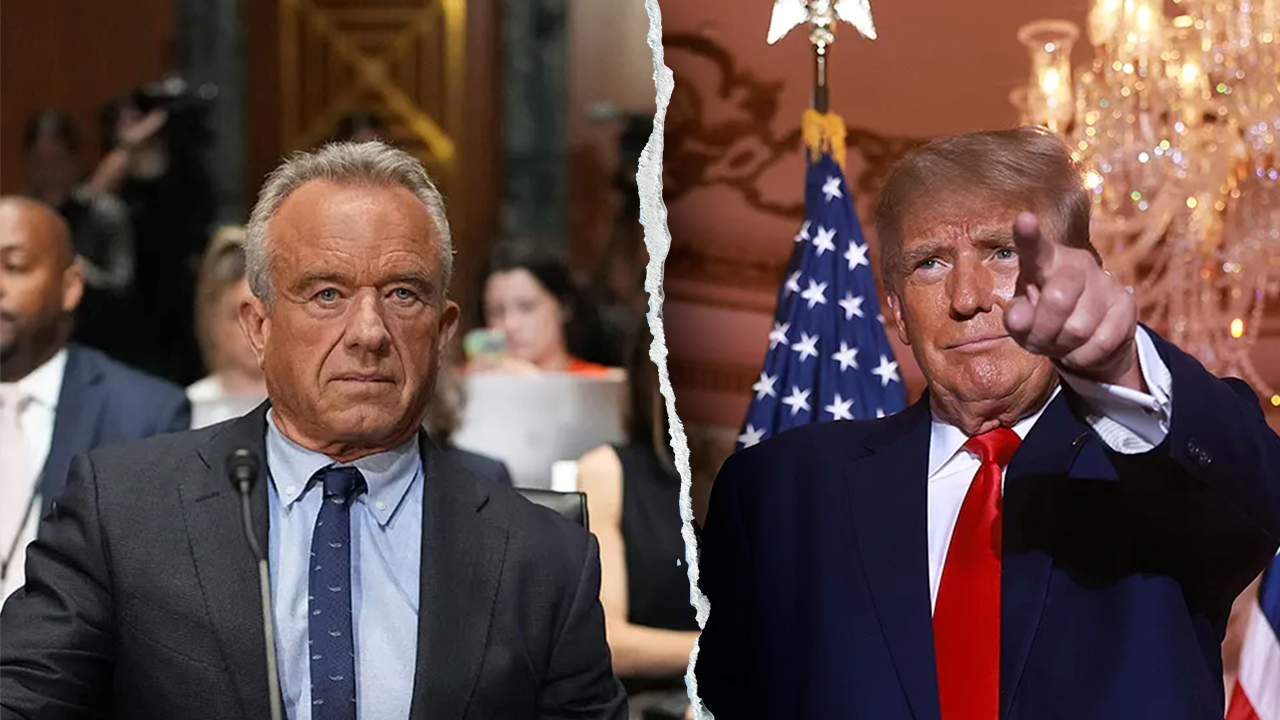
However, as legal experts began to weigh in, a more measured reality emerged. The U.S. constitutional framework does not allow for a president to be removed simply through political pressure, regardless of how widespread or vocal that pressure may be.
There are, in fact, only three established pathways for removing a sitting president. The first is impeachment by the House of Representatives, followed by conviction in the Senate with a two-thirds majority—an intentionally high threshold designed to ensure stability.
The second path is voluntary resignation, a decision that rests entirely with the president. Historical precedent exists, most notably when Richard Nixon stepped down in 1974 under mounting political pressure during the Watergate scandal.
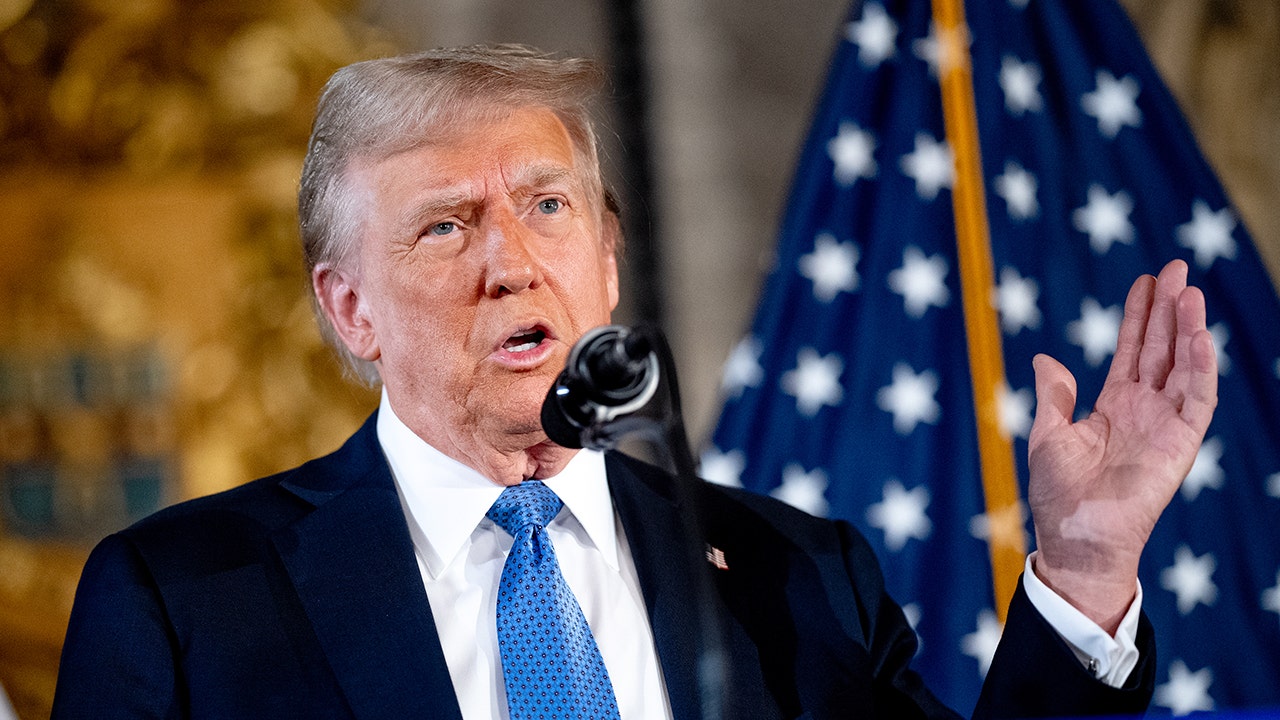
The third mechanism lies within the 25th Amendment, which allows the vice president and a majority of the cabinet to declare a president unfit to serve. Even this process is complex, involving procedural safeguards and potential challenges from the president.
What has been circulating online, however, appears to fall outside these formal structures. Even if a majority of senators were to support a resolution calling for resignation, such a measure would carry symbolic weight rather than legal authority.
This distinction is crucial. Political signaling can influence public perception and future strategy, but it does not, on its own, alter the constitutional status of a presidency. The gap between rhetoric and legal reality remains significant.
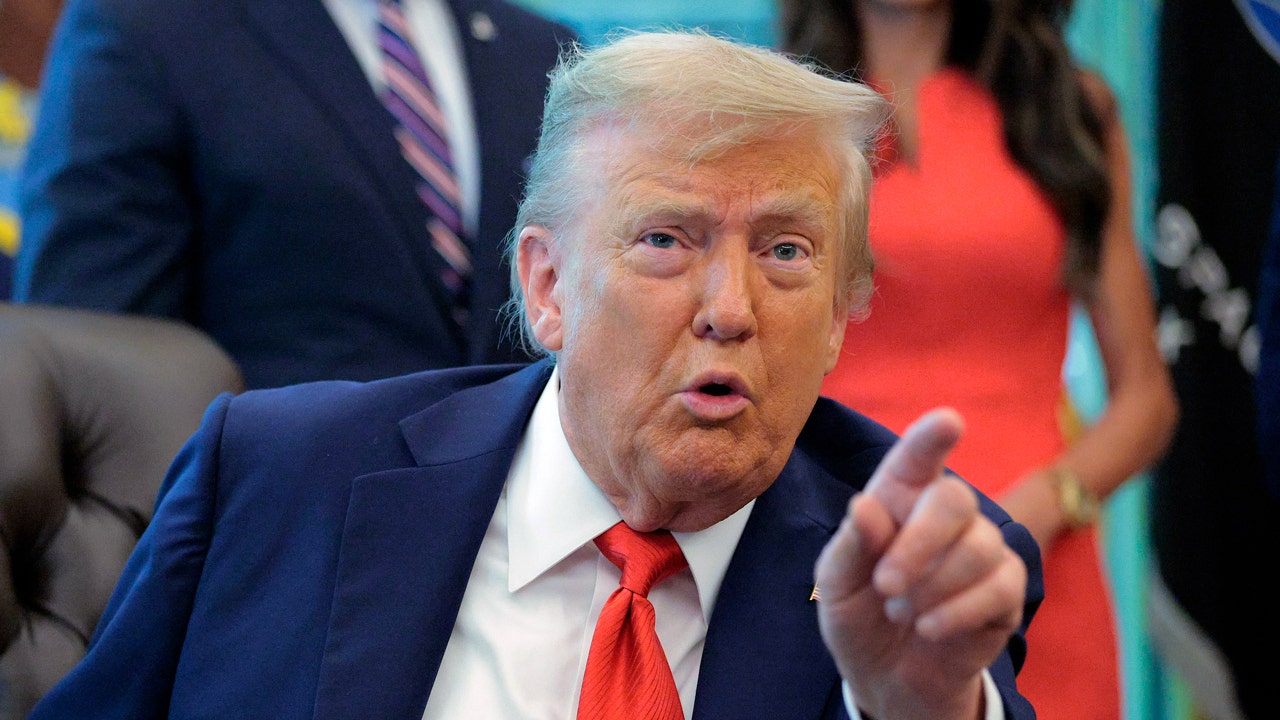
Observers note that moments like these reveal how quickly narratives can outpace facts. In an era of rapid information flow, emotionally charged claims often gain traction before verification can catch up, creating a cycle of confusion and speculation.
For now, no verified action—such as impeachment proceedings or a formal invocation of the 25th Amendment—has been confirmed. Without these steps, the presidency remains firmly intact, regardless of the intensity of political discourse.
The situation serves as a reminder that while politics can move swiftly in tone, the structures that govern power in the United States are deliberately designed to move with caution. And in that deliberate pace lies both frustration and stability.