A Subtle Shift in the South: What Arkansas Signals About America’s Political Direction

A quiet but consequential political shift is unfolding in Arkansas, where a recent special election has drawn national attention. What might once have been dismissed as a local contest now carries implications far beyond state lines.
In House District 70, Democrat Alex Holiday secured a decisive victory over Republican Bo Renshaw, capturing nearly 60 percent of the vote. The result is striking not only for its margin, but for the district’s recent Republican lean.
The area had previously supported Donald Trump in the 2020 presidential election, making the outcome all the more notable. It reflects a shift that, while still emerging, is becoming increasingly difficult for analysts to ignore.
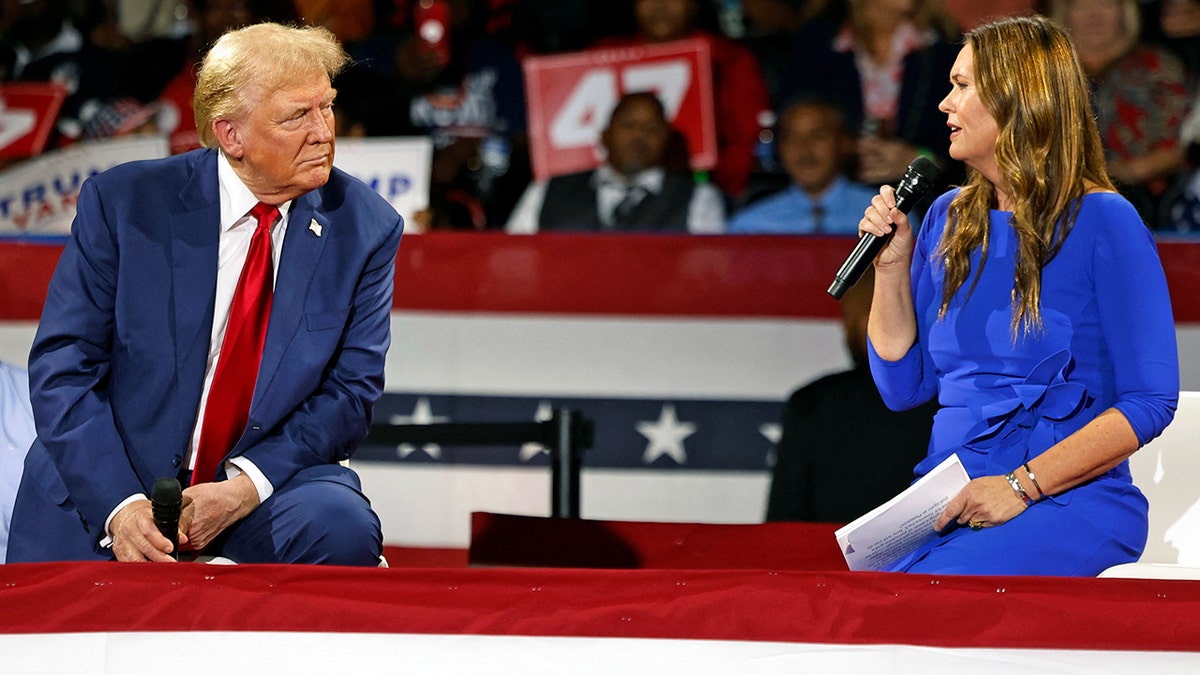
This contest did not unfold without complication. Sarah Huckabee Sanders initially scheduled the election for a later date, a decision later overturned by a court, forcing an earlier vote that ultimately favored Democratic turnout.
The Arkansas result marks the ninth instance since January 2025 in which Democrats have flipped a previously Republican-held seat in a special election. During the same period, Republicans have yet to achieve a comparable gain.
Across more than ninety special elections nationwide, Democrats are outperforming their 2024 benchmarks by an average of thirteen points. Such consistency suggests a broader trend rather than a series of isolated electoral surprises.

Similar patterns have emerged in states as varied as Texas, Louisiana, and Minnesota. Together, these results hint at shifting voter attitudes across both traditionally conservative and more competitive regions.
Analysts point to economic pressures as a key factor. Rising healthcare costs, persistent inflation in everyday goods, and broader concerns about governance appear to be shaping voter behavior in ways that cut across traditional party lines.
For Republicans, the implications are complex. While the party retains strong institutional control in many states, including Arkansas, the absence of recent electoral gains raises questions about momentum heading into the 2026 midterm elections.
Democrats, meanwhile, are approaching these results with cautious optimism. The gains provide not only symbolic victories, but also incremental influence in legislative bodies, particularly in closely contested budget negotiations.
/cdn.vox-cdn.com/uploads/chorus_image/image/48975993/GettyImages-512715030.0.jpg)
Yet seasoned observers warn against overinterpretation. Special elections often produce outcomes that differ from general elections, influenced by turnout patterns, candidate profiles, and localized issues that may not translate nationally.
Even so, the cumulative effect of nine consecutive flips cannot be easily dismissed. It suggests an underlying current that, if sustained, could reshape the political landscape in subtle but significant ways over time.
For audiences in the United States and the United Kingdom alike, the developments offer a compelling glimpse into a political environment in flux—one where long-standing assumptions are being tested by shifting voter priorities.
As attention turns toward 2026, the question is no longer whether change is occurring, but how deep it runs—and whether moments like Arkansas represent early signals of a broader realignment yet to fully unfold.