A Quiet Exit, A Loud Message: Admiral’s Retirement Raises Questions Inside Washington
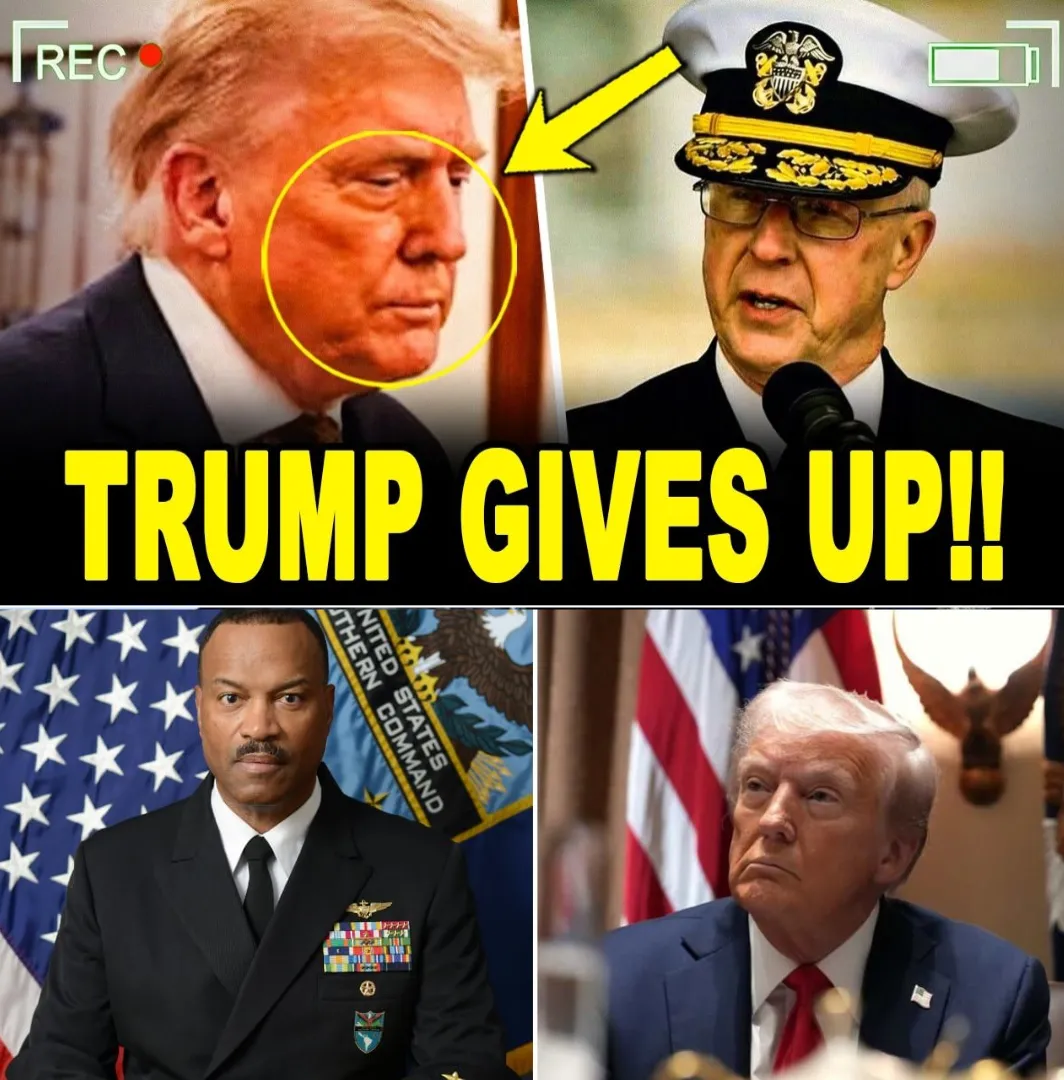
The announcement came without spectacle, yet it carried unmistakable weight. Alvin Holsey, a senior U.S. commander with decades of service, confirmed his retirement after 37 years, leaving behind a career defined by discipline—and, now, unresolved questions.
As head of United States Southern Command, Holsey oversaw operations across a strategically sensitive region. His departure arrives at a moment when tensions surrounding U.S. actions in the Caribbean have been quietly intensifying behind closed doors.
Recent reports have pointed to disagreements within the upper ranks of government. At the center of those tensions are concerns about military strikes targeting suspected drug-trafficking vessels operating near Venezuela, raising both legal and ethical considerations among officials.
Military lawyers and senior commanders are said to have voiced caution. Questions surrounding international law, proportional response, and the potential risk to civilians reportedly created friction between operational urgency and legal restraint.
According to accounts circulating within policy circles, these concerns were not confined to private memos. They surfaced in high-level discussions, where differing interpretations of authority and responsibility began to shape a deeper institutional divide.
The situation reportedly reached a critical point during a December 2025 meeting at Marine Corps University. There, Holsey is said to have directly challenged decisions linked to the operations, reflecting a rare moment of open disagreement.
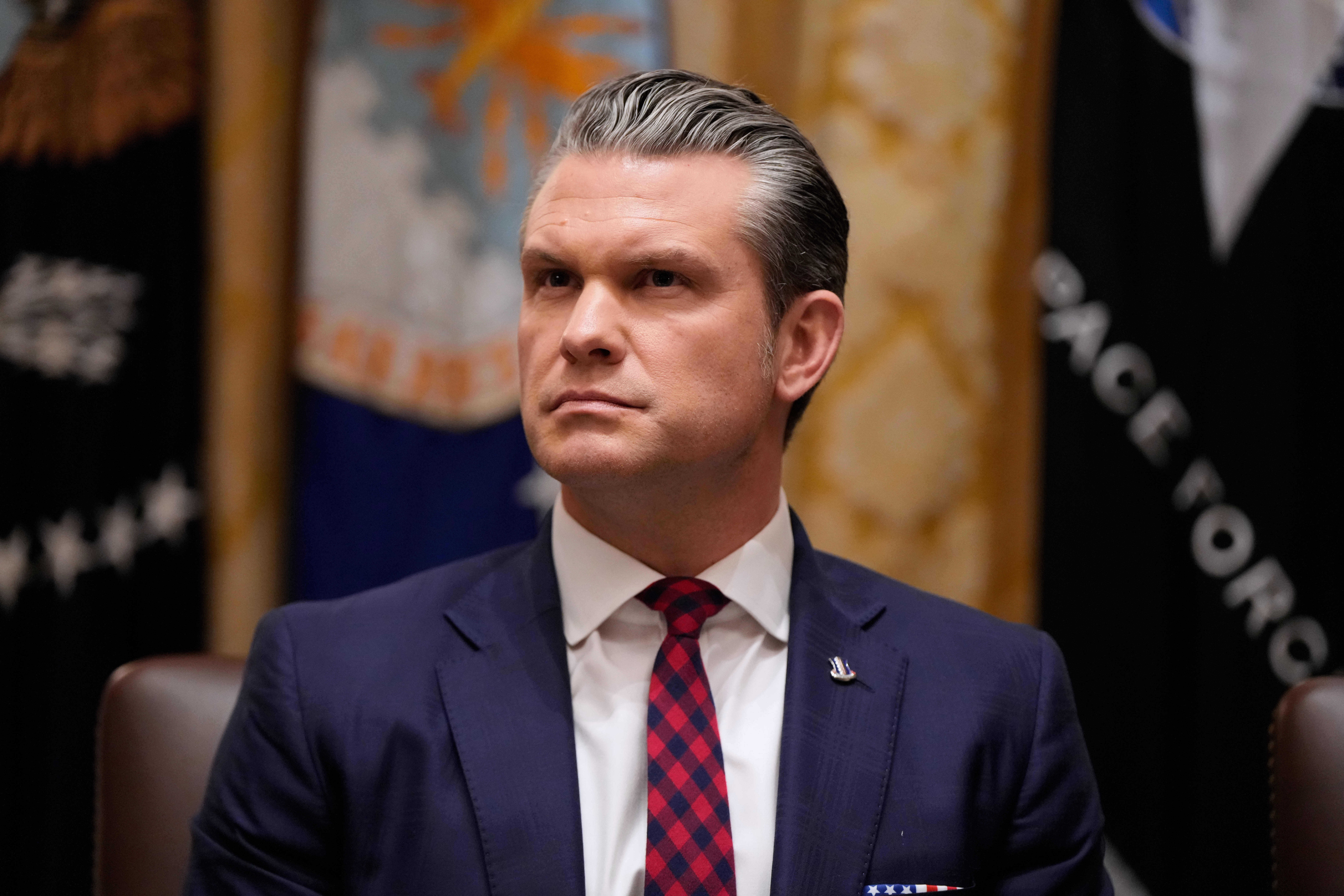
At the center of this tension stands Donald Trump, whose leadership style has often emphasized decisiveness and speed. For supporters, that approach reflects strength. For critics, it can raise concerns about oversight and long-term consequences.
What is clear is that Holsey’s departure has not been viewed as routine. Within defense circles, it is increasingly interpreted as a signal—subtle but significant—of the strain that can emerge when military judgment and political direction diverge.
Such moments are not unprecedented, but they are always consequential. The balance between civilian leadership and military expertise is a defining feature of democratic governance, requiring both cooperation and, at times, principled disagreement.
For now, there has been no official confirmation of a direct confrontation. Yet the timing, context, and surrounding reports have ensured that speculation continues to grow, filling the silence left by the absence of clear public explanation.
Holsey’s retirement closes one chapter, but it opens another. Not one defined by certainty, but by questions—about decision-making, accountability, and the unseen dynamics shaping some of the most consequential choices in Washington today.