A Defiant ‘No’: Canada Pushes Back as U.S. Trade Pressure Sparks Global Ripples

A sharp escalation in tensions between the United States and Canada has captured international attention, as a high-stakes trade dispute threatens to unsettle one of the world’s most enduring economic partnerships.
At the center of the confrontation is Mark Carney, who delivered a firm and public rejection of an ultimatum issued by Donald Trump. The demand: accept sweeping concessions or face steep tariffs.
The proposed measure—a 35 percent tariff on Canadian goods—would represent one of the most aggressive trade actions in recent North American history. For many observers, it signaled a willingness to test the limits of economic leverage.

Rather than enter immediate negotiations, Canada moved decisively. Officials initiated a formal dispute process under the United States–Mexico–Canada Agreement, triggering consultations that could delay or reshape the implementation of tariffs.
Simultaneously, Ottawa began preparing targeted retaliatory measures. These potential tariffs are expected to focus on politically sensitive American exports, underscoring Canada’s intent to respond with precision rather than escalation for its own sake.
The dispute has not remained confined to bilateral channels. Canada has reached out to partners including the European Union and the United Kingdom, signaling a broader effort to build diplomatic and economic support.
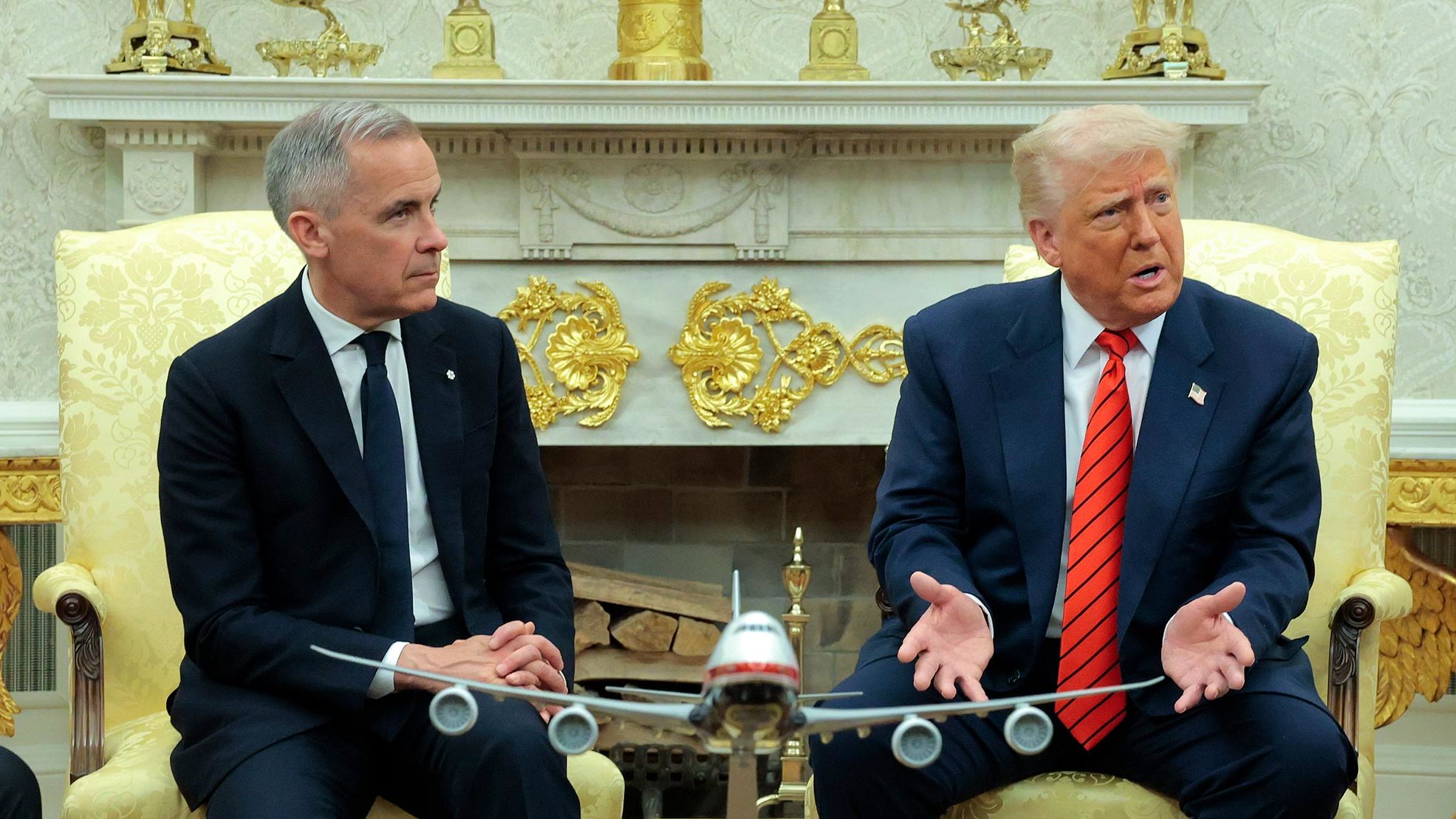
Financial markets reacted almost immediately. The Canadian dollar strengthened, while certain U.S. agricultural stocks showed signs of pressure, reflecting investor expectations that the standoff may evolve into a prolonged and complex dispute.
For analysts, the significance of the moment lies not only in the immediate economic stakes but in what it reveals about shifting dynamics among Western allies. Long-standing assumptions about cooperation are now being tested under strain.
Several scenarios are emerging. A negotiated compromise remains possible, particularly if both sides seek to avoid economic disruption. Equally plausible, however, is a drawn-out tariff conflict with consequences extending well beyond North America.

There is also the potential for escalation into global trade mechanisms, including proceedings through the World Trade Organization. Such a development would elevate the dispute into a wider contest over trade rules and enforcement.
At its core, the conflict reflects deeper tensions about economic sovereignty, political strategy, and the use of trade as a tool of influence. These are not new issues, but they are now converging with unusual intensity.
For audiences in the United States and the United Kingdom, the unfolding situation offers a revealing glimpse into the fragility of even the closest alliances when confronted with competing national priorities.
As events continue to develop, one question looms large: whether this moment will ultimately be remembered as a temporary rupture—or as the beginning of a broader realignment in the global economic order.