Strained Allies: How a Growing U.S.–Canada Rift Could Redefine North American Trade

Relations between the United States and Canada have entered an unexpectedly tense phase, unsettling what has long been considered one of the world’s most stable economic partnerships. What began as rhetoric is now evolving into something far more consequential.
During a recent meeting in the Oval Office, a remark suggesting Canada could become the “51st state” quickly drew sharp attention. The response from Prime Minister of Canada was immediate and unequivocal, underscoring the depth of national sovereignty at stake.
While the exchange may have seemed symbolic, the underlying tensions are rooted in economic realities. The United States remains Canada’s largest trading partner, absorbing roughly three-quarters of its exports, creating a structural dependency that is difficult to ignore.

This imbalance has provided Washington with significant leverage. Recent tariff threats and warnings of harsher economic measures have amplified concerns in Ottawa that trade policy is increasingly being used as a tool of political pressure rather than mutual benefit.
For Canada, the implications are profound. A disruption in access to American markets could ripple through key sectors, from energy and manufacturing to agriculture, potentially reshaping domestic economic priorities and long-term growth strategies.
In response, Canadian officials have begun accelerating efforts to diversify trade relationships. Engagements with partners such as India, Japan, and Australia signal a broader shift toward building a network of middle-power alliances.
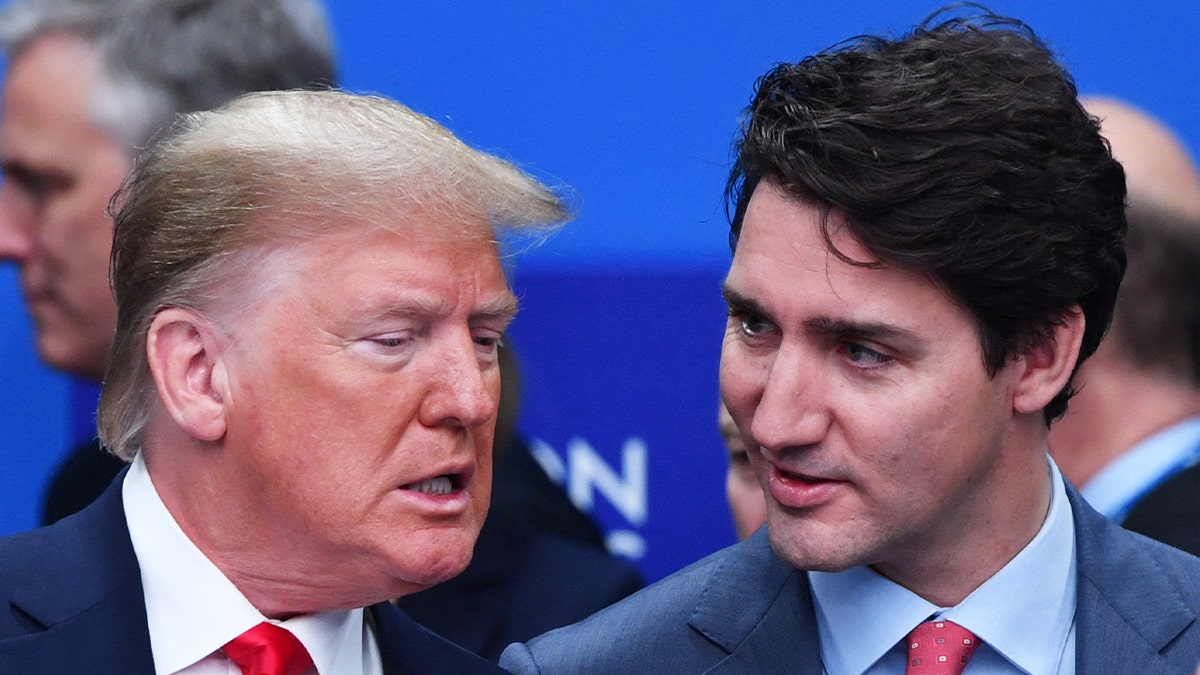
This strategy is not without precedent, but the urgency behind it has intensified. By reducing reliance on a single dominant partner, Canada aims to strengthen its economic resilience in an increasingly unpredictable global environment.
Yet diversification is a long-term endeavor, and the immediate risks remain. Trade flows, supply chains, and investment patterns built over decades cannot be easily reconfigured without friction or cost, particularly at the scale involved in North American commerce.
Analysts suggest several possible outcomes. One scenario envisions a negotiated compromise, where both nations step back from escalation and reaffirm their economic interdependence. Such a path would preserve stability while addressing underlying grievances through diplomacy.
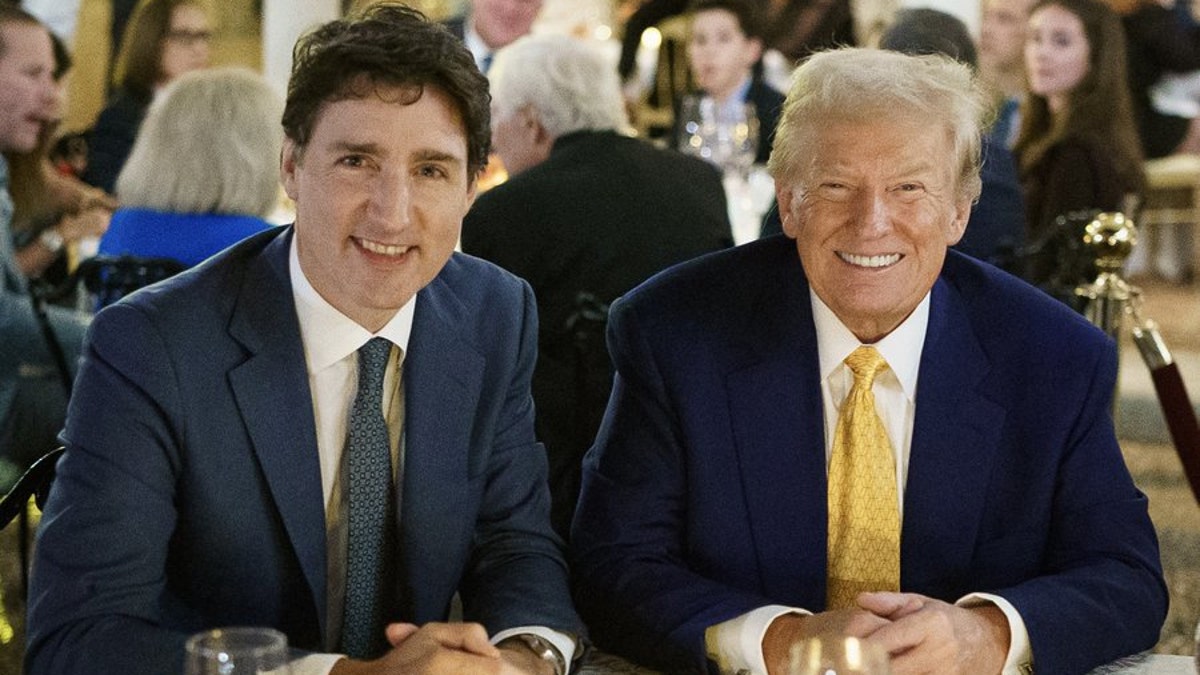
Another, more concerning possibility involves a sustained escalation. Expanded tariffs, retaliatory measures, and shifting alliances could fundamentally alter the architecture of regional trade, introducing uncertainty into markets that have long relied on predictability.
The stakes are substantial. With hundreds of billions of dollars tied to cross-border trade, even modest disruptions could have outsized effects, not only for the United States and Canada, but for the broader global economy interconnected with them.
Beyond economics, the situation carries symbolic weight. The relationship between the two countries has often been cited as a model of cooperation—proof that proximity and shared values can foster enduring partnership rather than rivalry.
Now, that assumption is being tested. As both sides weigh their next moves, the question is no longer whether tensions exist, but how far they will go—and whether one of the world’s closest alliances can adapt under pressure.