Quiet Departures, Rising Questions: Inside the Subtle Strain on America’s Military Leadership

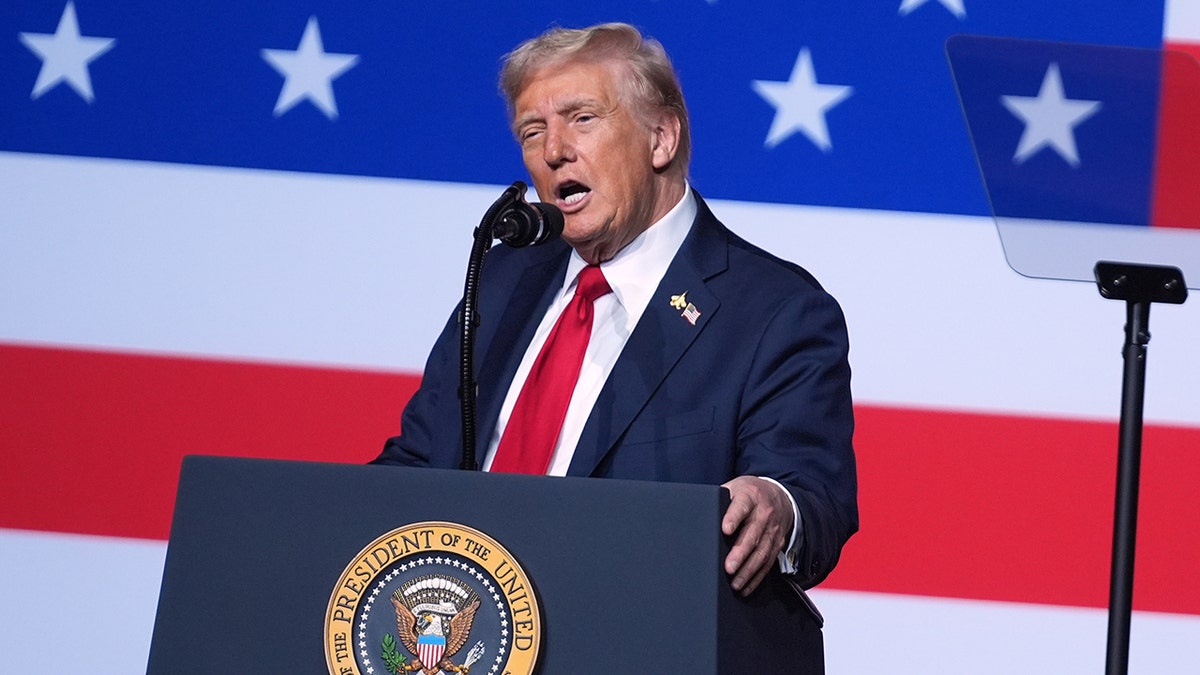
The reshaping of America’s military leadership under Donald Trump has triggered a wave of scrutiny that extends far beyond routine policy disagreements. What began as a decisive overhaul is now raising deeper questions about stability, experience, and long-term readiness.
In 2025, Trump removed several senior figures, including the Chairman of the Joint Chiefs of Staff, alongside high-ranking generals and admirals. The administration argued these leaders had become distracted by cultural priorities rather than core military objectives.
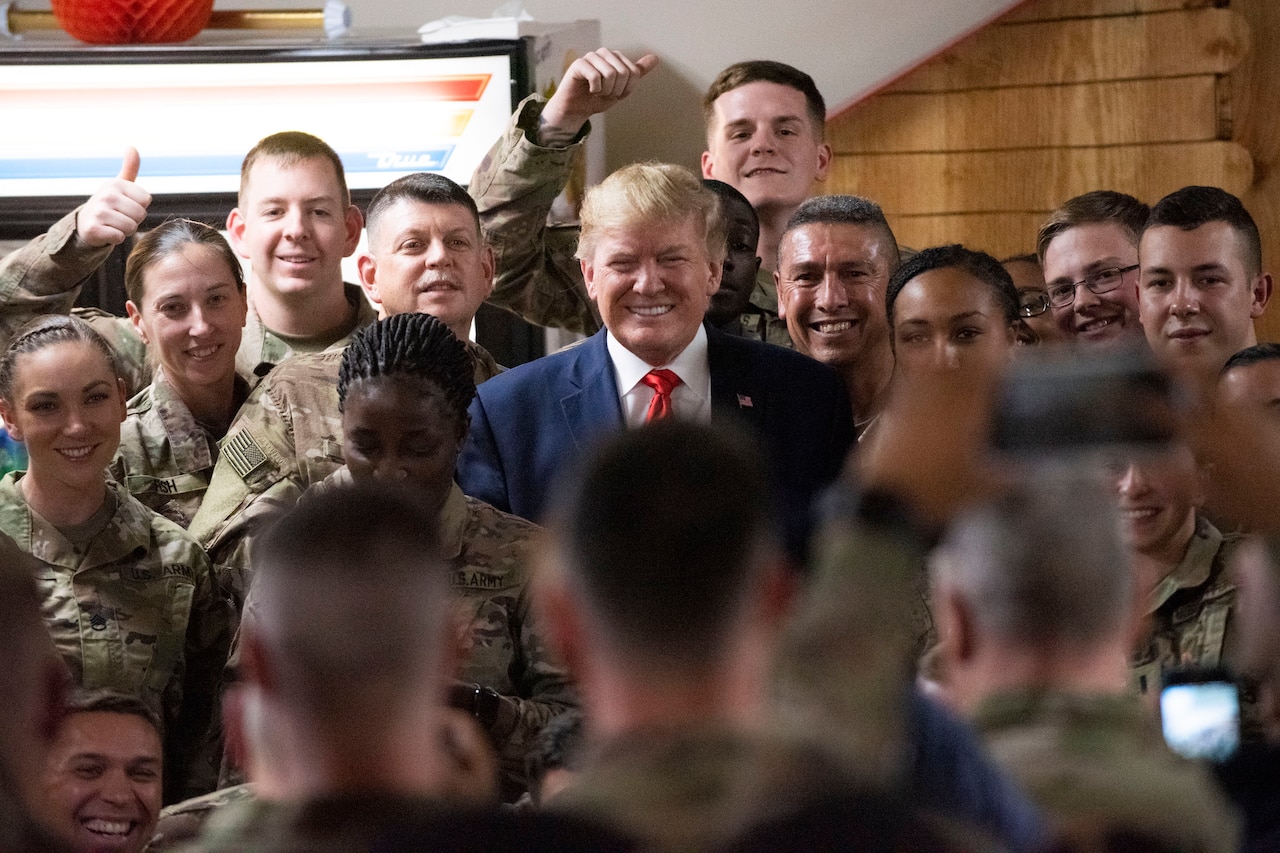
New appointments quickly followed, with officials seen as more closely aligned with the president’s strategic vision. Supporters described the move as necessary recalibration—an effort to restore focus on combat readiness and traditional military effectiveness in an increasingly complex global landscape.
Yet beneath the surface, a quieter development has been unfolding. A number of experienced officers have stepped down, some publicly citing constitutional concerns, others choosing to leave without drawing attention. The departures have been gradual, but their cumulative impact is difficult to ignore.
Military institutions rely not only on structure, but on continuity—years of experience, relationships, and institutional memory that cannot easily be replaced. Each resignation, while isolated in appearance, contributes to a broader erosion that may only become visible over time.
So far, the armed forces continue to operate without disruption. Missions proceed, chains of command remain intact, and there is no immediate sign of operational breakdown. On the surface, the system appears stable, even resilient under shifting political conditions.
However, analysts warn that stability in the present does not always guarantee resilience in the future. The loss of seasoned leadership may limit the military’s ability to respond swiftly and cohesively in moments of sudden crisis or unexpected escalation.

At the same time, political pressure in Washington is intensifying. Discussions of impeachment are gaining traction, with some members of Congress—across party lines—expressing concern over the broader implications of recent leadership changes within the military establishment.
Critics argue that prioritizing loyalty over experience risks undermining one of the most critical institutions in American governance. Supporters counter that alignment between civilian leadership and military command is essential, particularly during periods of strategic uncertainty.
This divide reflects a deeper tension within the American system: how to balance civilian authority with professional military judgment. It is a question embedded in the nation’s constitutional framework, now being tested in real time under unusually high stakes.
For now, the changes remain measured rather than dramatic. There is no single moment of crisis, no defining rupture that signals immediate danger. Instead, there is a slow accumulation of shifts—subtle, incremental, and potentially significant.
What makes the situation compelling is precisely this ambiguity. The absence of visible disruption makes it harder to assess the true impact, even as underlying dynamics continue to evolve in ways that may not yet be fully understood.
As the political and military landscapes continue to intersect, one possibility lingers: that the consequences of today’s decisions may only become clear when the system is placed under its greatest test—and when experience matters most.