A Presidency Under Shadow: The Legal Storm That May Outlast Trump’s Time in Power
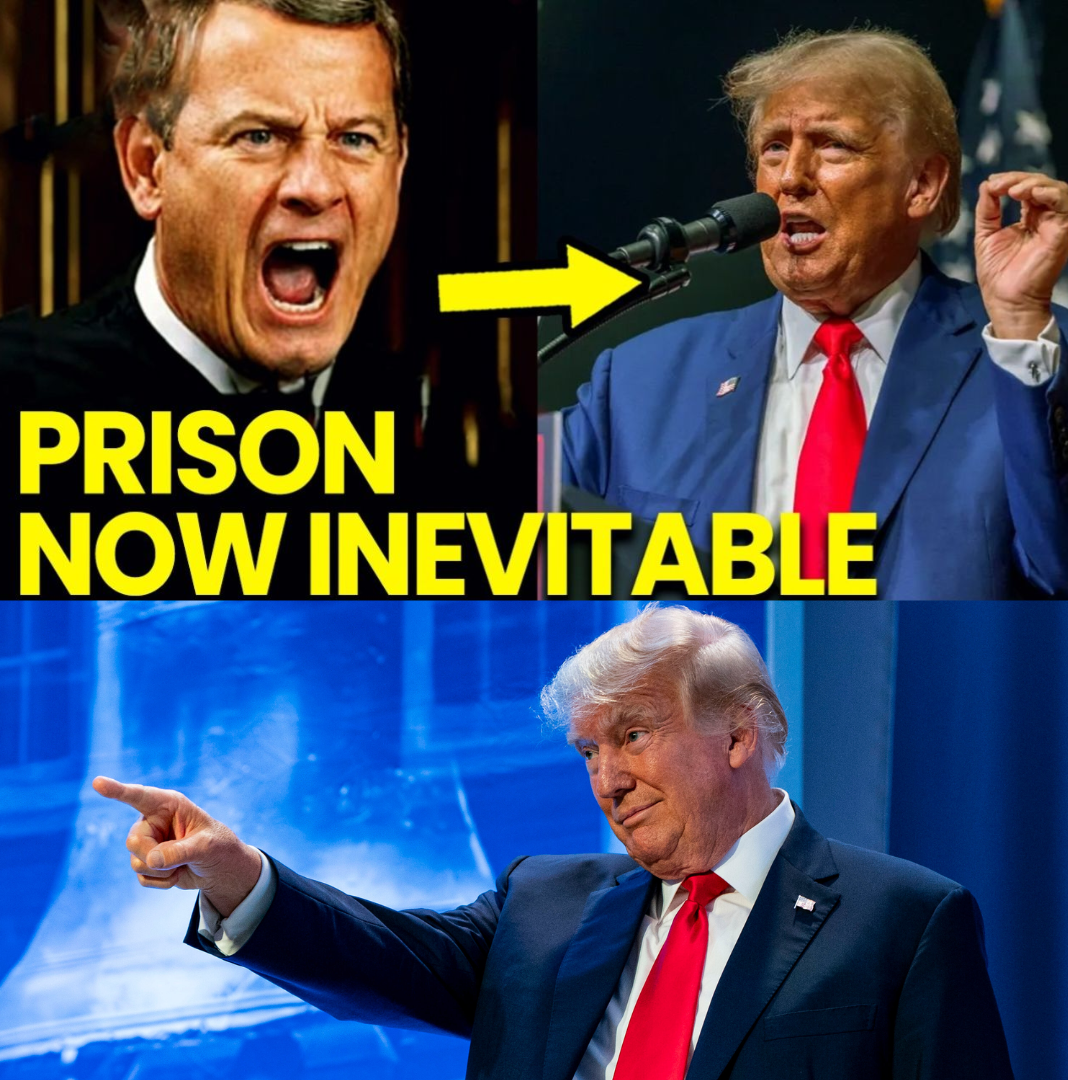
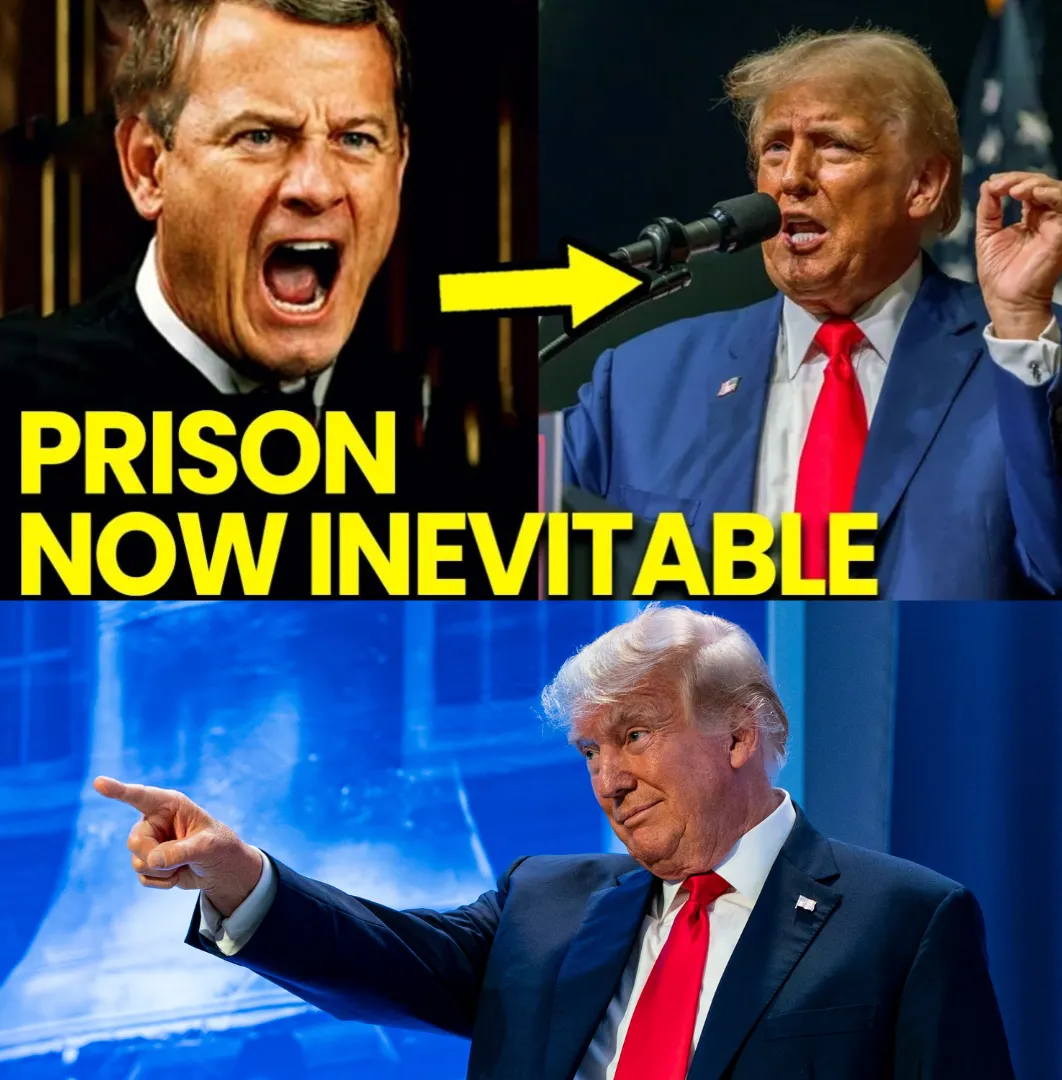
The legal landscape surrounding Donald Trump has entered a new and more consequential phase. What once appeared to be a series of isolated controversies is now converging into a sustained legal narrative with potentially lasting implications.
At the center of this moment is a decision by the Supreme Court of the United States to let stand Trump’s felony conviction tied to the hush-money case. While the ruling carried no prison sentence, its permanence marks a historic first.
For the first time, a former American president carries a criminal conviction that cannot simply be erased by political momentum or legal maneuvering. The absence of immediate punishment offers relief—but not resolution, and certainly not closure.

Legal observers note that the conviction, though limited in immediate consequence, establishes a foundation that may influence future proceedings. It also reinforces a broader perception that legal accountability can, in fact, reach even the highest office.
At the same time, testimony from former Special Counsel Jack Smith has added a new layer of urgency. Speaking before Congress, Smith asserted that investigators had gathered evidence “beyond a reasonable doubt” in separate cases involving Trump.
These cases include allegations tied to the 2020 election and the handling of classified documents—issues that have long hovered at the edge of formal prosecution. According to Smith, the decision not to proceed was not about evidence, but timing.

That timing is dictated by a longstanding policy within the United States Department of Justice, which holds that a sitting president cannot be indicted. It is a principle rooted in constitutional caution rather than judicial precedent.
Crucially, that protection is not permanent. It exists only for the duration of a presidency. Once that period ends, the legal landscape shifts, and cases previously held in suspension may be reconsidered with renewed force.
The implications of this reality are difficult to ignore. Evidence gathered during investigations—documents, sworn testimony, and prosecutorial findings—does not disappear. Instead, it remains preserved, waiting for the moment when legal constraints are lifted.
Recent court decisions narrowing the scope of presidential authority have only intensified this dynamic. Together, they suggest a future in which the boundaries of executive power are more clearly defined—and potentially more rigorously enforced.
Supporters of Trump argue that these developments reflect a broader pattern of political targeting. Critics counter that they represent a long-overdue assertion of institutional accountability within a system designed to check concentrated power.
For now, the immediate consequences remain limited. There is no prison sentence, no ongoing prosecution while Trump remains in office. Yet the sense of pause feels temporary, as though the most significant chapter has yet to be written.

What lies ahead may ultimately depend not on politics, but on timing—on the precise moment when legal immunity fades and unresolved questions return to the forefront. In that moment, the trajectory of this case could change dramatically.
As the dust settles, one conclusion becomes increasingly clear: this is not an ending, but an interlude. And when the next phase begins, it may reshape not only Trump’s legacy, but the expectations placed upon the presidency itself.