Mounting Pressure in Washington: Inside the Intensifying Battle Over Trump’s Presidency
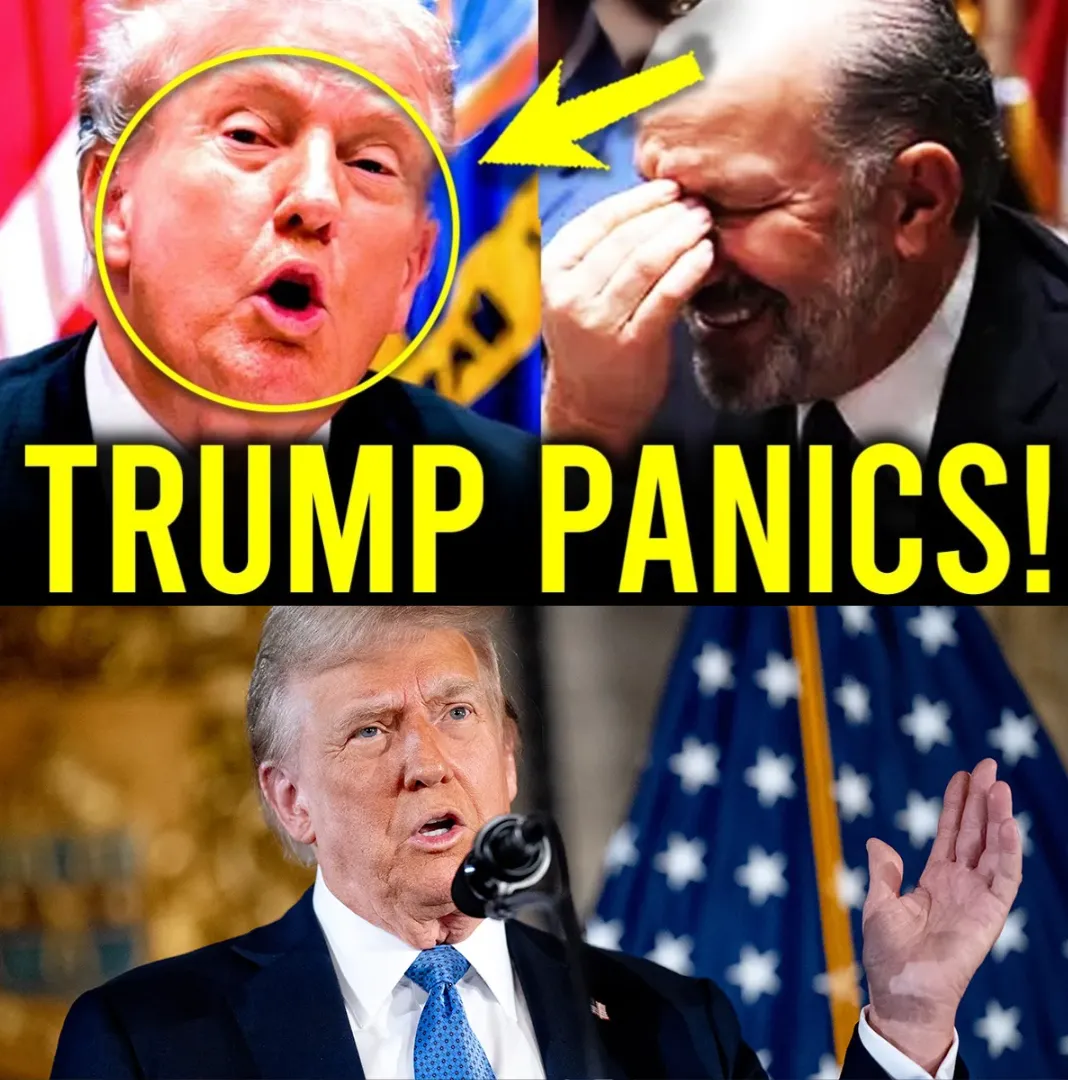
The political climate in Washington has taken a dramatic turn, as pressure mounts around Donald Trump in ways few could have predicted just months ago. What began as partisan criticism is now evolving into a broader, more consequential debate about leadership and constitutional limits.
In recent days, discussions have extended beyond the familiar territory of impeachment into something far more extraordinary—the potential invocation of the 25th Amendment. Rarely used and deeply controversial, it allows for the removal of a sitting president deemed unfit to serve.
Several lawmakers, including Ed Markey, have voiced concern over Trump’s conduct and decision-making. Their arguments are fueled not just by policy disagreements, but by reports suggesting unusual motivations behind key statements made during diplomatic conversations.
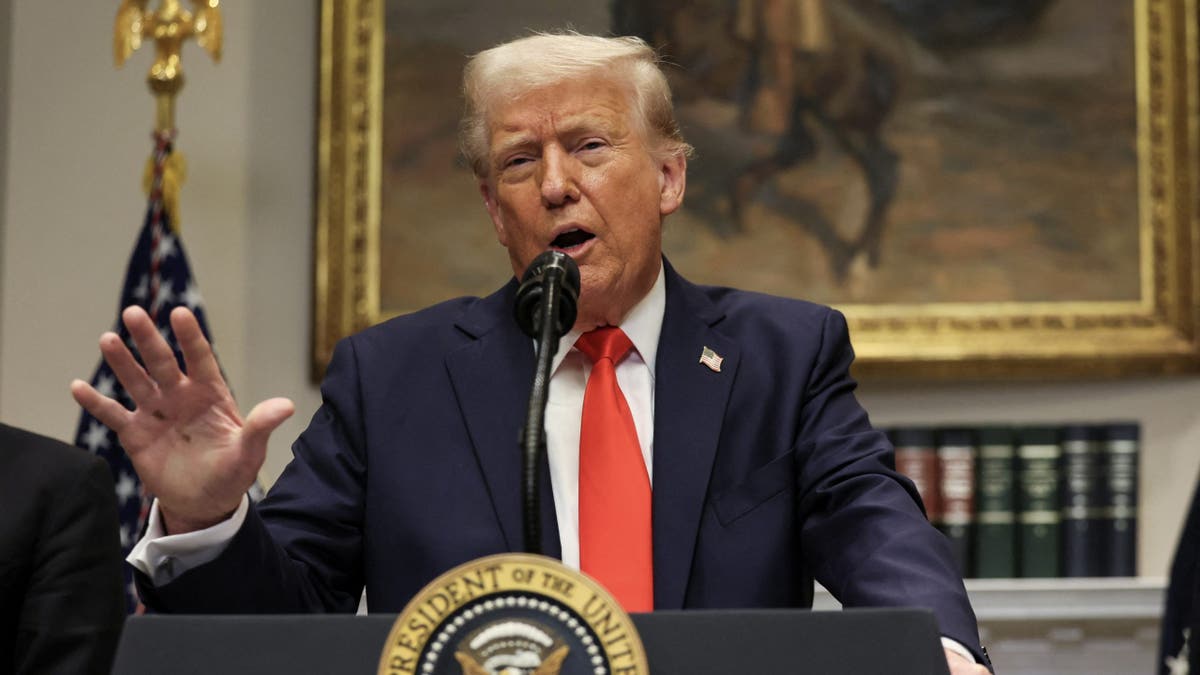
One report in particular has captured attention across political circles: Trump allegedly expressed interest in acquiring Greenland partly out of frustration over not receiving a Nobel Peace Prize. For critics, the remark signals something deeper than political ambition—it raises questions about judgment.
At the same time, a separate controversy is unfolding around Trump’s reported actions in Venezuela. Allegations that he authorized military strikes and seized oil assets without congressional approval have ignited fierce debate over constitutional authority and the limits of executive power.
Legal experts warn that such actions, if proven, could conflict with established war powers laws. Members of Congress from both parties are now weighing whether these decisions cross a line that demands formal accountability through impeachment proceedings.
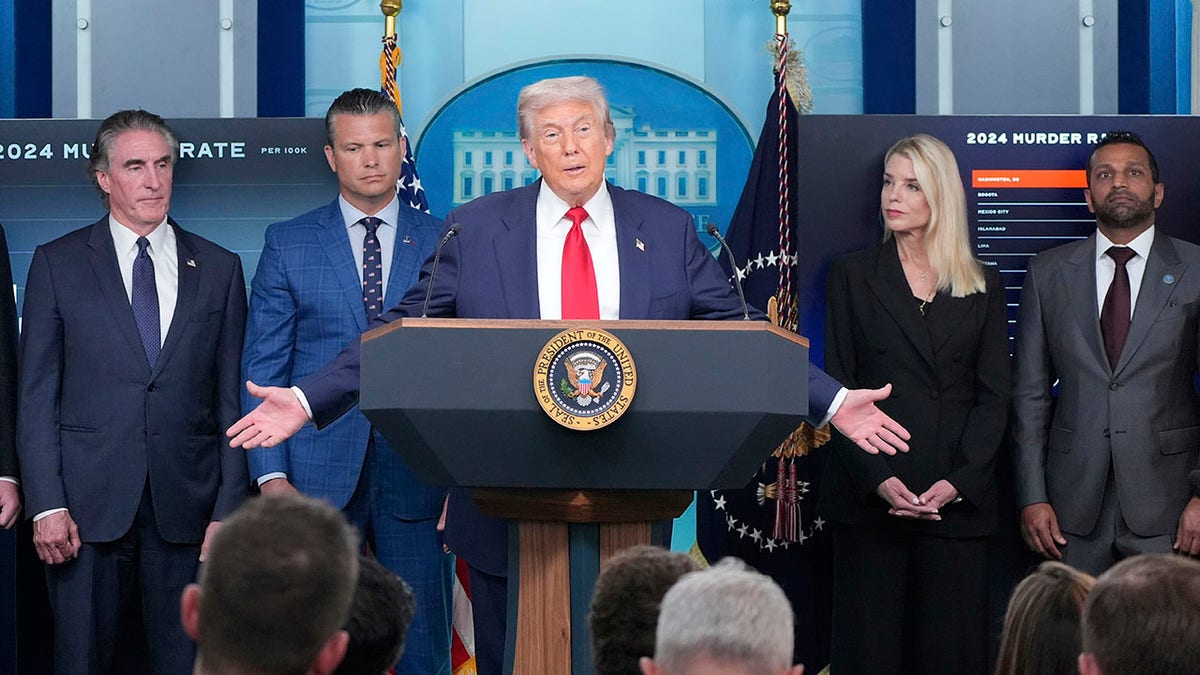
Compounding the situation is Trump’s response to a recent Supreme Court ruling on tariffs. His public reaction, coupled with a pattern of late-night social media activity, has been cited by critics as evidence of erratic and unpredictable leadership behavior.
Supporters, however, argue that Trump’s style—direct, unfiltered, and often unconventional—is precisely what defines his political identity. They contend that attempts to remove him are driven more by ideological opposition than genuine constitutional concern.
Amid this escalating tension, Trump himself has acknowledged the political reality ahead. He warned that if Republicans lose control of the House in the 2026 midterm elections, Democrats could pursue impeachment once again, setting the stage for another historic confrontation.
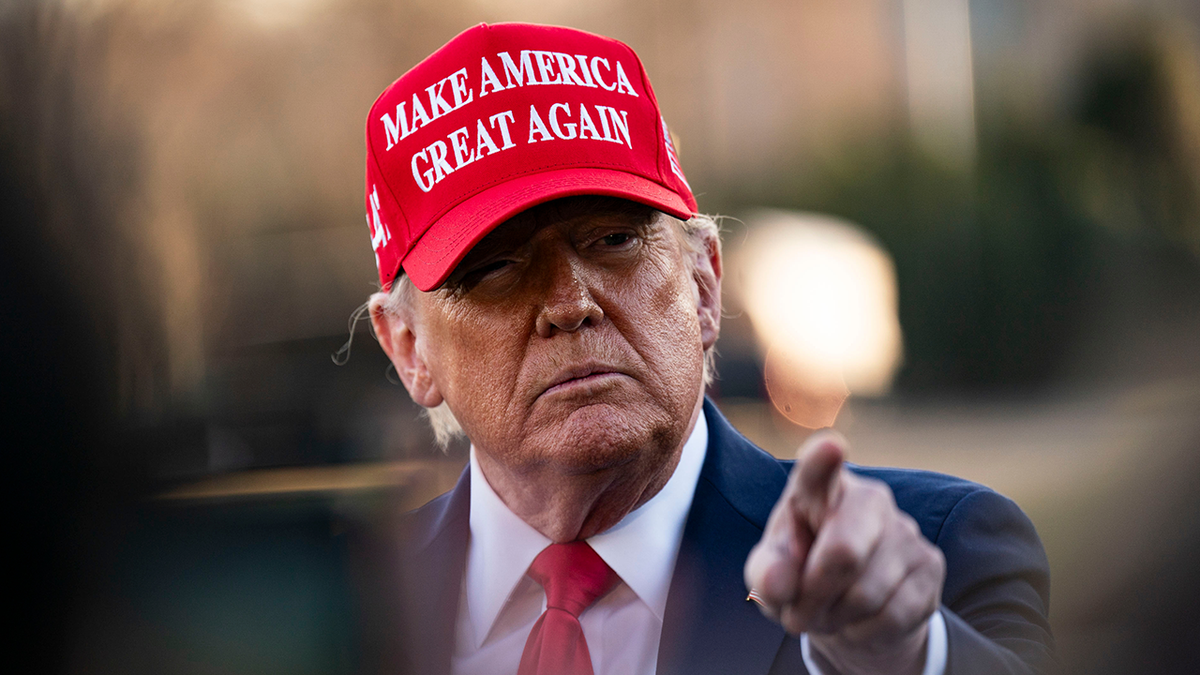
This looming possibility has reframed the upcoming election as more than a routine democratic exercise. Increasingly, it is being cast as a referendum on presidential accountability, testing how far institutions are willing to go in challenging executive authority.
Behind closed doors, conversations in Washington are growing more urgent. The overlap between political strategy, legal interpretation, and public perception is creating a volatile environment where each new revelation carries potentially far-reaching consequences.
For many observers, the question is no longer whether Trump will face continued scrutiny, but how far that scrutiny will extend. Will it remain within traditional political boundaries, or evolve into something unprecedented in modern American history?
As the debate intensifies, one thing is clear: the stakes have rarely been higher. The outcome will not only shape Trump’s political future but could redefine the balance of power within the American system for years to come.