The Light Her Mother Never Stopped Leaving On
.webp)
On a cold November night in 2005, the Finley house on Elm Street glowed with a quiet, ordinary warmth.
Inside the small two-story home, Clara Finley was washing dishes while humming softly to herself. The kitchen window fogged slightly from the steam of the sink, blurring the glow of the streetlights outside.
Upstairs, Susan Finley was tying her shoes.
She was twenty-two years old, halfway through nursing school, and the kind of daughter every parent quietly hoped for.
Responsible.
Kind.
A little stubborn sometimes, but in the way that came from caring too much about people.
Her textbooks were stacked neatly on her desk. Flashcards filled with medical terms sat beside a mug of cold tea she had forgotten to finish.
She grabbed her green jacket from the chair.
“Mom,” she called downstairs.
Clara turned from the sink.
“Yeah?”
“I’m just walking over to Rachel’s for a bit.”
Clara wiped her hands on a towel.
“Don’t stay out too late. It’s freezing tonight.”
Susan laughed softly as she slipped on the jacket.
“I won’t.”
She opened the front door.
Cold air rushed inside.
The street outside was quiet, the pavement glowing under the yellow wash of streetlights.
Susan waved once toward the kitchen window.
Then she stepped into the night.
It was a walk she had taken dozens of times before.
Just a few blocks.
Ten minutes, maybe.
No one in that house knew it would be the last time they ever saw her.

The Walk That Never Ended
Neighbors later said they remembered seeing Susan that evening.
A woman walking her dog said she passed Susan near the corner of Maple Street.
“She smiled and said hello,” the woman told investigators later.
Another neighbor remembered seeing a flash of green beneath the streetlight.
That familiar jacket.
But somewhere along Elm Street, something changed.
Susan never reached Rachel’s house.
She never answered her phone.
She never came home.
At first, Clara tried to stay calm.
Maybe Susan had stayed late talking with friends.
Maybe her phone battery had died.
But when midnight passed and the house remained silent, a slow, creeping fear began to grow.
By morning, Clara was standing on the front porch scanning the empty street.
Her daughter had never stayed out all night without telling her.
Not once.
Clara called the police.
Within hours, missing person flyers appeared across Trenton.
Susan’s smiling face stared out from photocopied posters taped to lampposts and store windows.
Search teams combed parks, alleyways, and the banks of the nearby Delaware River.
Volunteers walked block after block calling her name.
But the city offered no answers.
Only one small piece of evidence emerged.
A single silver earring.
It lay on the sidewalk only a few houses from Susan’s home.
Investigators believed it may have fallen during a struggle.
But without witnesses or further clues, the case began to slip into darkness.

The Silence of the Years
Days turned into weeks.
Weeks turned into months.
And eventually, years.
The Finley home remained frozen in time.
Susan’s bedroom stayed exactly as she left it.
Her nursing books still lined the desk.
A half-knitted scarf lay folded on the bed.
Clara couldn’t bring herself to move anything.
Every night, she lit a candle beside Susan’s photograph.
Some nights she sat beside it for hours.
Daniel Finley, Susan’s father, often stood silently in the doorway watching his wife.
Grief had changed her.
She listened more closely to footsteps outside.
Answered the phone with a hopeful pause.
Sometimes she would wake in the middle of the night convinced she heard the front door open.
But it never had.
The Jacket by the River
Eleven years passed.
The city moved on.
New families moved into old houses.
Children grew up and left the neighborhood.
But in 2016, something unexpected happened.
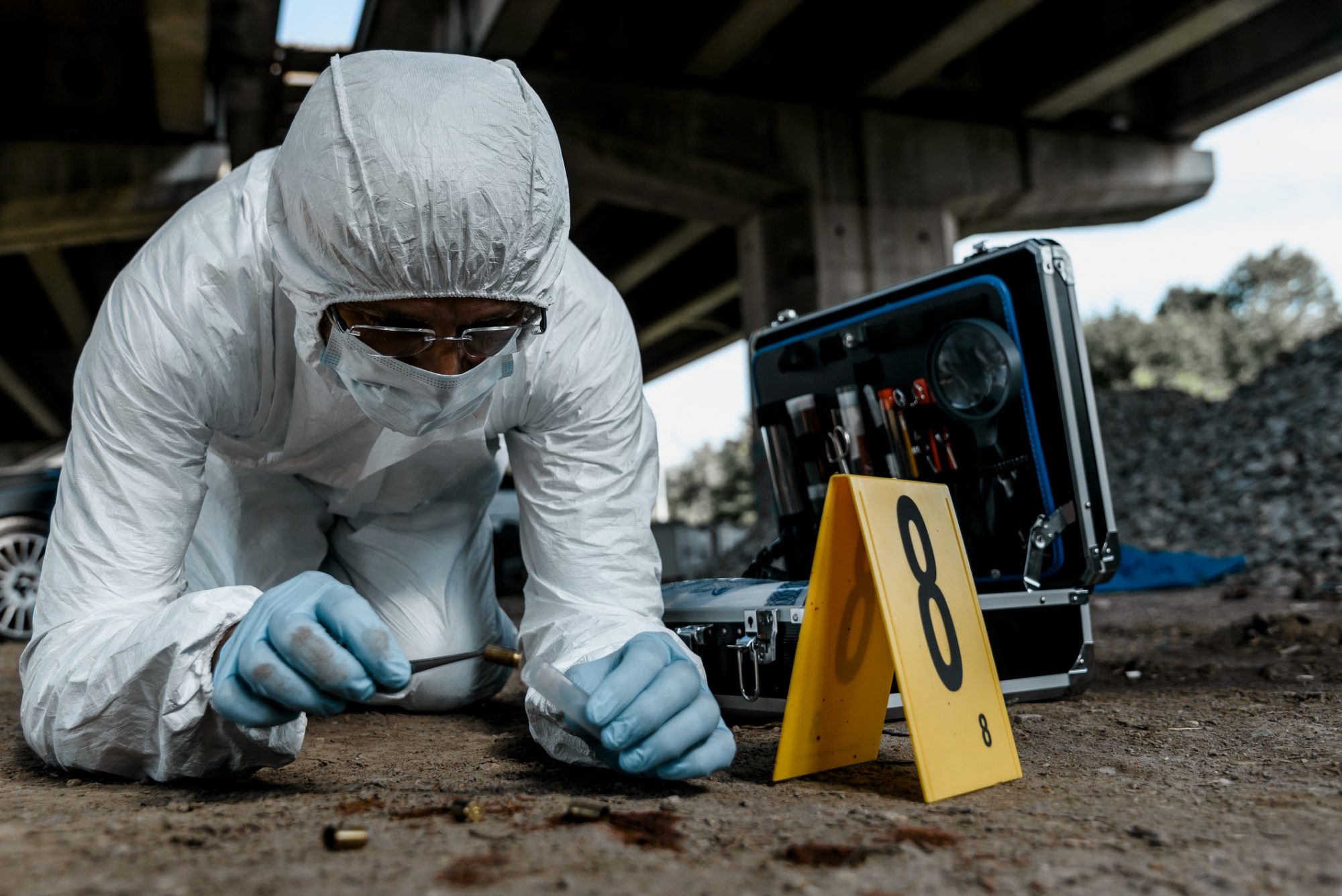
A jogger running along the banks of the Delaware River noticed something tangled in a rusted fence near the water.
A jacket.
Green.
Old.
Weathered by years of wind and rain.
Police soon confirmed what Clara had feared since the night Susan disappeared.
The jacket belonged to her daughter.
The discovery reopened the investigation.
Old evidence boxes were pulled from storage.
Detectives began reading through yellowing witness statements from 2005.
And one detail appeared again and again.
A tall man.
A noticeable limp.
Seen lingering near Elm Street that night.
Back then, the lead had gone nowhere.
But this time, detectives decided to follow it.
The Man No One Noticed
The name that surfaced shocked investigators.
Michael Carver.
He had lived only two blocks from Susan’s house.
For years he had existed quietly in the neighborhood.
A man people barely noticed.
He shoveled his sidewalk in winter.
Mowed his lawn in summer.
Sometimes waved politely at neighbors.
Most people only remembered one thing about him.
The limp.
When detectives knocked on his door, he answered calmly.
Almost too calmly.
He claimed he barely remembered the night Susan vanished.
Said he had stayed home watching television.
No witnesses.
No alibi.
But something about him felt wrong.
Detectives began digging deeper into his past.
And what they discovered began to paint a darker picture.

The Basement
A search warrant led investigators into Carver’s home.
In the basement, they noticed something unusual.
Part of the concrete floor looked newer than the rest.
Lighter.
Smoother.
Almost as if it had been poured years later.
Ground-penetrating radar revealed a hollow space beneath it.
When workers broke through the slab, the room fell silent.
Buried beneath the floor lay human remains.
Alongside them…
a torn fragment of green fabric.
The same color as Susan’s jacket.
DNA testing confirmed the truth.
After eleven years, Susan Finley had finally been found.

A Mother’s Longest Night
When police informed Clara, she sat quietly for a long time.
She didn’t cry right away.
She simply stared at the photograph beside the candle.
Her daughter smiling back.
“So she didn’t run away,” Clara whispered.
“No,” the detective said softly.
Clara nodded slowly.
For years people had suggested Susan might have left town.
Started a new life somewhere.
But Clara had always known.
A mother always knows.
That night, she lit the candle again.
But for the first time in eleven years, the flame meant something different.
It was no longer hope.
It was remembrance.
The Town Reacts
When Michael Carver was arrested, shock spread through Trenton.
Neighbors struggled to reconcile the quiet man they thought they knew with the crime investigators described.
People replayed old memories in their minds.
The time he waved while carrying groceries.
The mornings he cleared snow from the sidewalk.
How could someone hide something so terrible for so long?
The answer, investigators realized, was chillingly simple.
Because monsters rarely look like monsters.
Sometimes they look like neighbors.
The Trial
The courtroom remained silent when Clara Finley took the witness stand.
She spoke calmly about Susan.
Her kindness.
Her dreams of becoming a nurse.
The way she always helped people.
At one point Clara paused and looked toward the defendant’s table.
Michael Carver avoided her gaze.
“I spent eleven years wondering where my daughter was,” Clara said quietly.
“And all that time…”
She took a breath.
“He was living two blocks away.”
The courtroom fell into complete silence.
The Light That Never Went Out
Today, Susan Finley’s bedroom finally looks different.
Her parents eventually packed away her textbooks.
But one thing remains.
On a small table near the window sits the same candle Clara lit every night.
She still lights it sometimes.
Not because she’s waiting anymore.
But because remembering matters.
Because Susan’s story deserves to be told.
And because somewhere, in the quiet of that small house on Elm Street, a mother still feels her daughter close whenever the flame flickers gently in the dark.
Some lights, after all…
are never meant to go out. 🕯️