“$295 MILLION FROZEN”: Tim Walz Fires Back Within Hours — And Refuses to Let Minnesota Pay the Price
Less than 24 hours.
That’s how long it took for Minnesota’s governor to move from shock to strategy after the Trump administration announced it would temporarily withhold $295 million in Medicaid funding from the state.
For families who rely on Medicaid — seniors in long-term care, working parents managing chronic illness, rural hospitals already stretched thin — this wasn’t a political chess move.
It was personal.
And Governor Tim Walz responded like it was.
1. Calling It What He Believes It Is
Walz did not soften his language.
He publicly condemned the decision as politically motivated, accusing the administration of weaponizing federal funds against Democratic-led states. In his remarks, he framed the move not as fiscal oversight, but as retaliation.
For Americans aged 45–65 — many balancing care for aging parents while thinking about their own healthcare future — the fear of funding instability cuts deep. Medicaid isn’t abstract policy; it’s nursing home coverage, prescription assistance, disability support.
Walz’s tone wasn’t technical.
It was protective.
He argued that bureaucratic maneuvers in Washington should never destabilize basic healthcare access for everyday Minnesotans.
Whether one agrees with him or not, the message was clear:
He wanted voters to see this not as a spreadsheet dispute — but as a matter of human consequence.
2. Opening the Rainy Day Fund
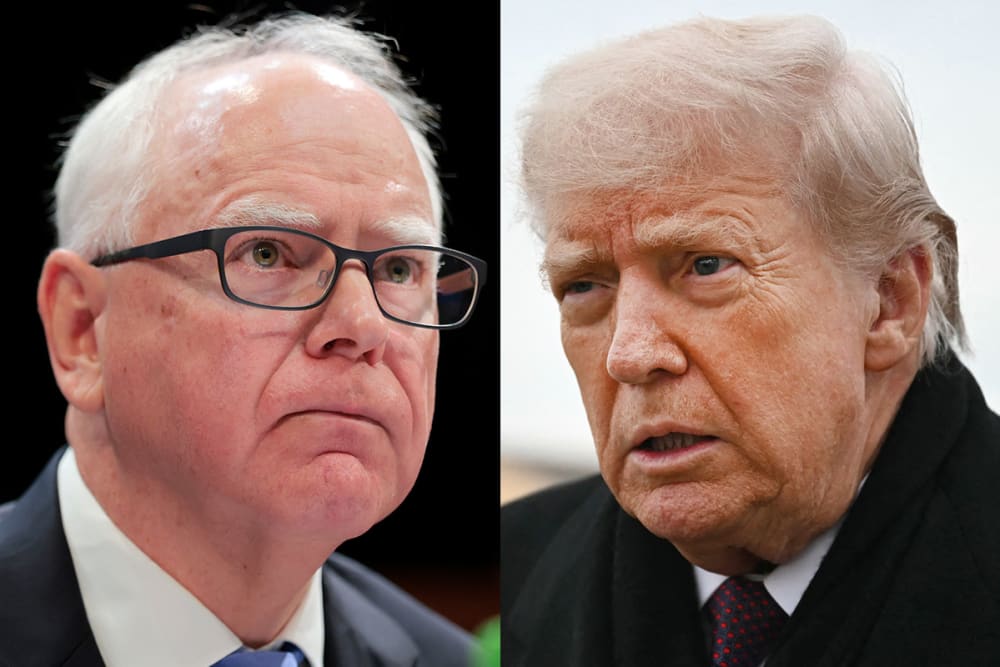
Criticism alone doesn’t calm a family worried about medical bills.
Within hours, Walz announced Minnesota would tap its rainy day fund to temporarily cover the $295 million gap, ensuring that Medicaid claims would continue uninterrupted.
He pledged that no Minnesotan would be denied care because of federal funding delays.
For middle-aged readers — especially those who lived through the 2008 recession and understand what emergency reserves are designed for — this move carried symbolism.
Rainy day funds are for storms.
And healthcare funding uncertainty feels like a storm.
By using state reserves, Walz signaled stability over spectacle. The message to residents was simple:
Your appointments won’t be canceled.
Your claims won’t be frozen.
Your care won’t become collateral damage.
That reassurance matters most to those nearing retirement, caring for loved ones, or managing long-term conditions.
3. Taking It to Federal Court

The third move escalated the conflict.
Walz joined other Democratic-led states in filing a lawsuit in federal court, demanding restoration of the withheld funds.
The legal challenge reframes the dispute from politics to constitutional authority — questioning whether the executive branch can suspend congressionally approved funding in this way.
For Americans who remember past federal-state showdowns — from healthcare expansion battles to education funding fights — this feels like another chapter in a long tug-of-war over power.
But this time, the stakes are measured in doctor visits and prescription refills.
Why This Hits Harder for the 45–65 Generation
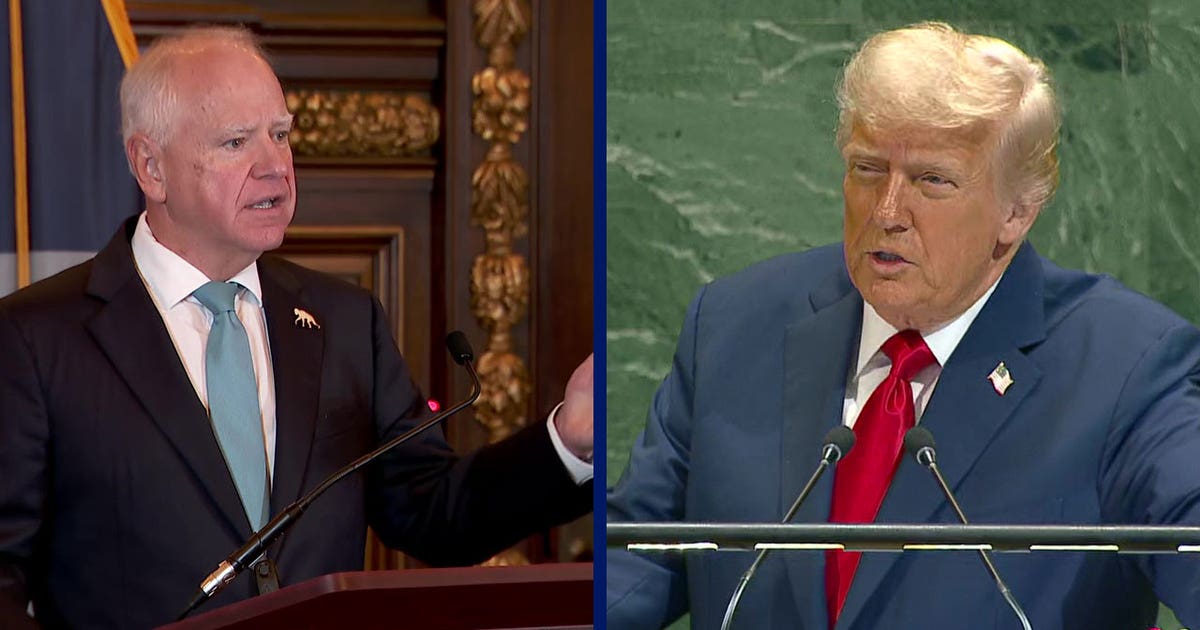
If you’re 25, Medicaid policy may seem distant.
If you’re 55, it’s suddenly close.
Many in this age group are:
• Supporting elderly parents in assisted living
• Navigating rising prescription costs
• Preparing for retirement healthcare planning
• Living in rural areas where hospital closures loom
When funding headlines appear, it’s not ideological. It’s practical.
Will Mom’s nursing home coverage continue?
Will Dad’s dialysis center stay open?
Will premiums rise next year?
These are not talking points.
They’re dinner table conversations.
The Political Chessboard
From Washington’s perspective, the administration has argued that funding reviews ensure compliance and fiscal responsibility.
From Minnesota’s perspective, the timing and scope feel punitive.
The truth, as always, will be debated in courtrooms and committee hearings.
But what cannot be debated is speed.
Less than 24 hours after the announcement, Walz:
• Publicly condemned the decision
• Activated state reserves
• Initiated legal action
That kind of rapid response shapes public perception.
Leadership, for many voters, is measured not by ideology but by reaction time.
The Broader Question

Beyond Minnesota lies a national concern:
How stable is federal healthcare funding in an era of deep partisan division?
For those who’ve lived through decades of political swings — Reagan to Clinton, Bush to Obama, Trump to Biden — healthcare remains the constant fault line.
Promises shift.
Administrations change.
But hospital bills remain.
And as retirement edges closer for millions of Americans, stability feels more valuable than ever.
What Comes Next?
The courts will weigh in.
Federal agencies will defend their position.
Political campaigns will amplify their narratives.
But in Minnesota, for now, Medicaid claims continue.
And that may be the most important headline for families watching closely.
Because in the end, for Americans in midlife and beyond, politics is less about who wins the argument —
—and more about who keeps the lights on in the clinic.