When Generals Speak Out: Inside the Extraordinary Rift Between Donald Trump and America’s Military Leaders
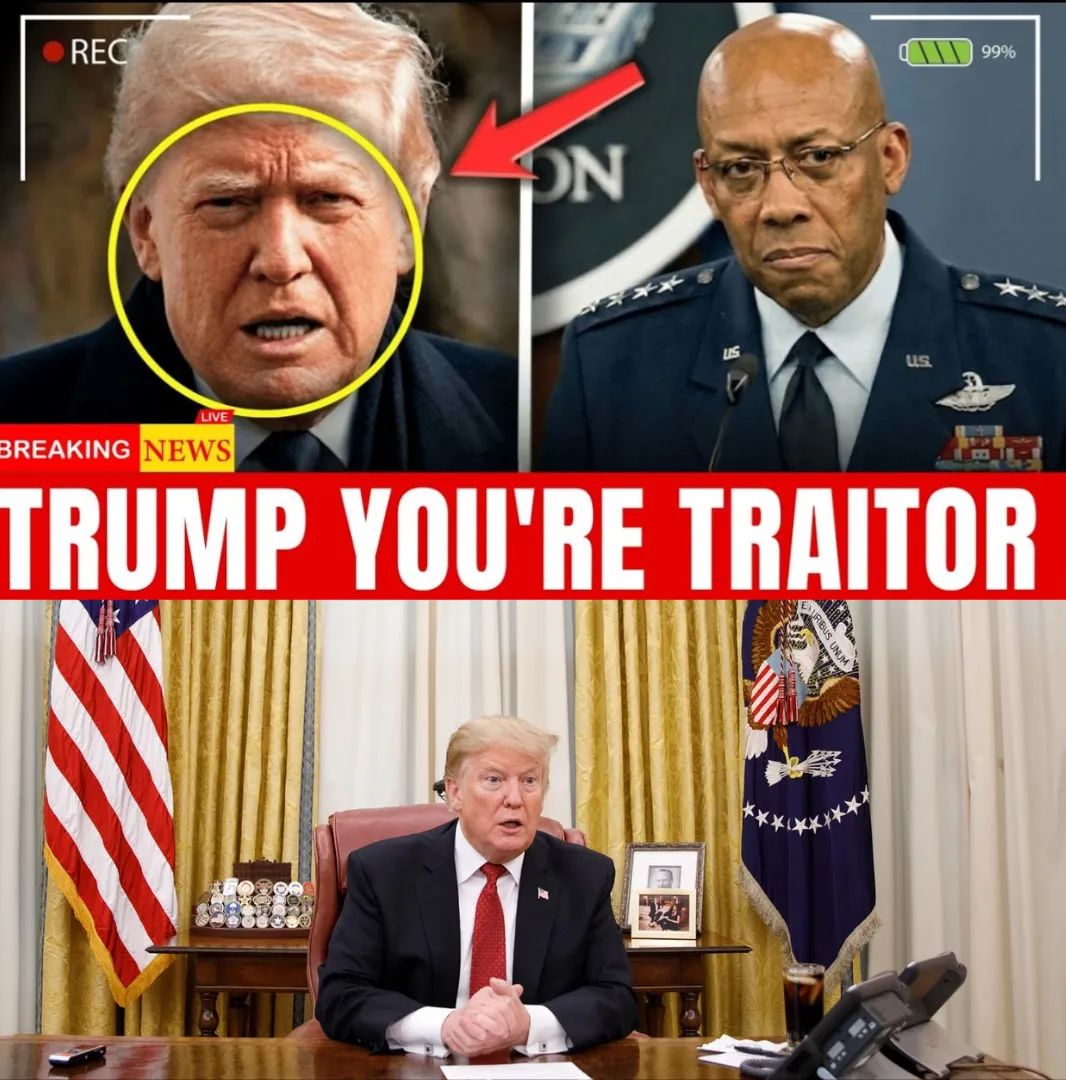
In the long history of American civil–military relations, public criticism from senior generals toward a former commander-in-chief is extraordinarily rare. Yet in recent years, several top military figures have stepped forward with unusually stark warnings about Donald Trump.
Their remarks have ignited a fierce national debate about loyalty, leadership, and the limits of presidential power in the United States.
Among the most striking voices is Mark Milley, the former Chairman of the Joint Chiefs of Staff. Having served as the nation’s highest-ranking military officer, Milley rarely spoke publicly during Trump’s presidency.
But after leaving office, his language became far more direct.
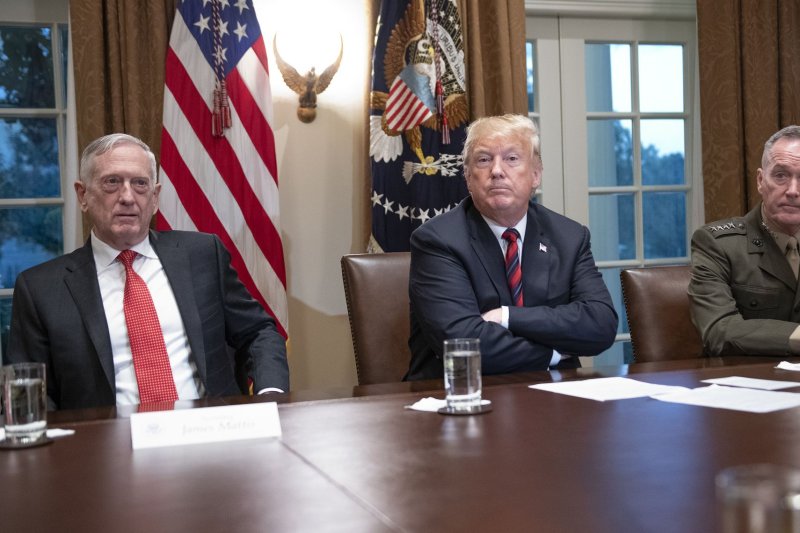
In interviews and reported conversations, Milley described Trump as a deeply dangerous political figure, warning that the former president’s approach to power posed risks to constitutional norms.
Such blunt assessments from a former Joint Chiefs chairman immediately captured global attention.
Milley was not alone. Former Secretary of Defense James Mattis, a retired Marine general widely respected across party lines, had previously broken tradition by criticizing Trump’s leadership style during nationwide protests in 2020.
Mattis accused the president of undermining unity and disrespecting the principles embedded in the U.S. Constitution.
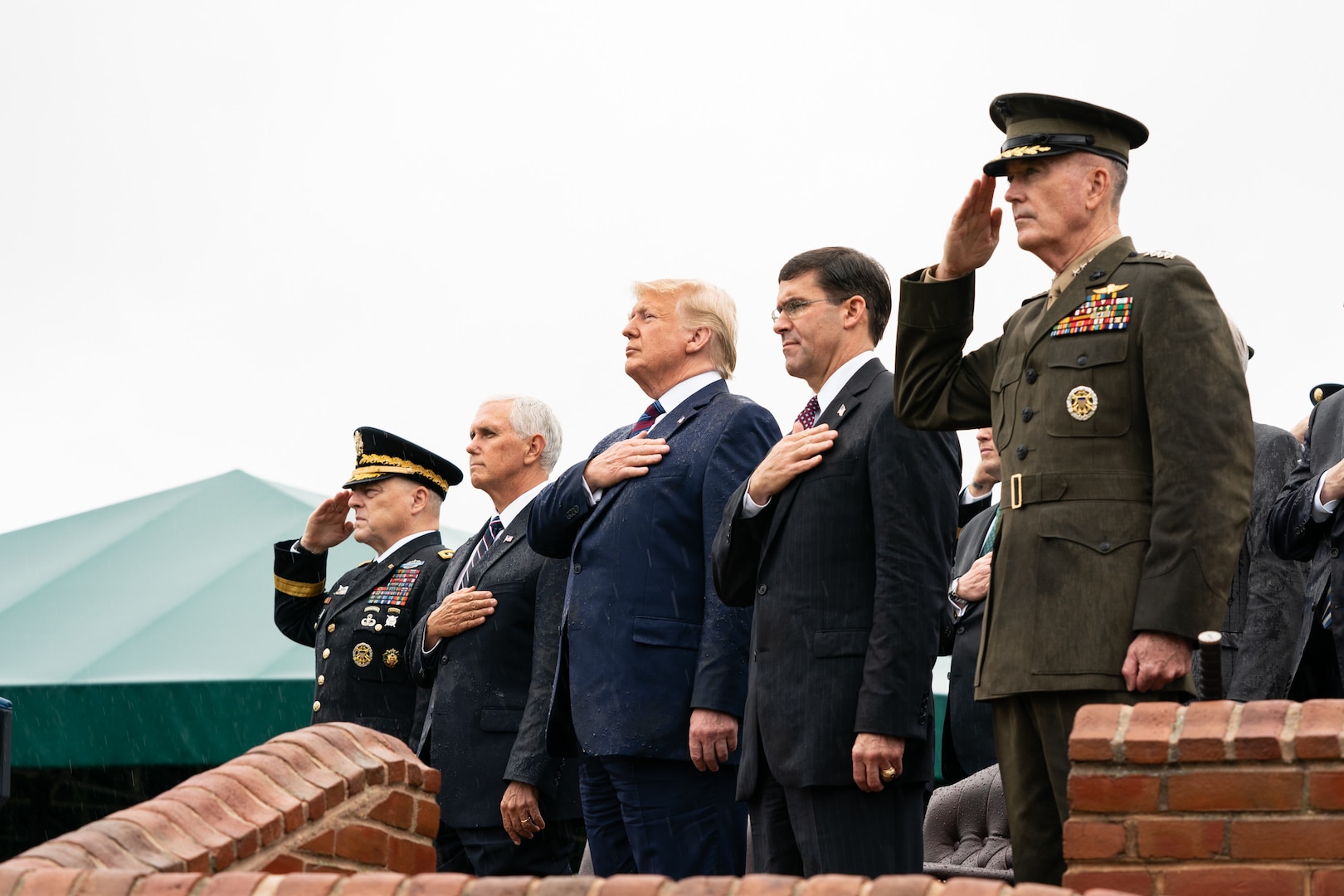
Another key figure, former White House Chief of Staff John Kelly, also a retired Marine general, later confirmed controversial reports about Trump’s remarks regarding fallen American soldiers.
Kelly stated publicly that Trump had made dismissive comments about military service members who died in combat — an allegation Trump has repeatedly denied.
For many observers, the significance of these criticisms lies not just in their severity but in their source.
These were not political opponents or rival campaign figures.
They were men personally chosen by Trump to lead the nation’s military institutions.
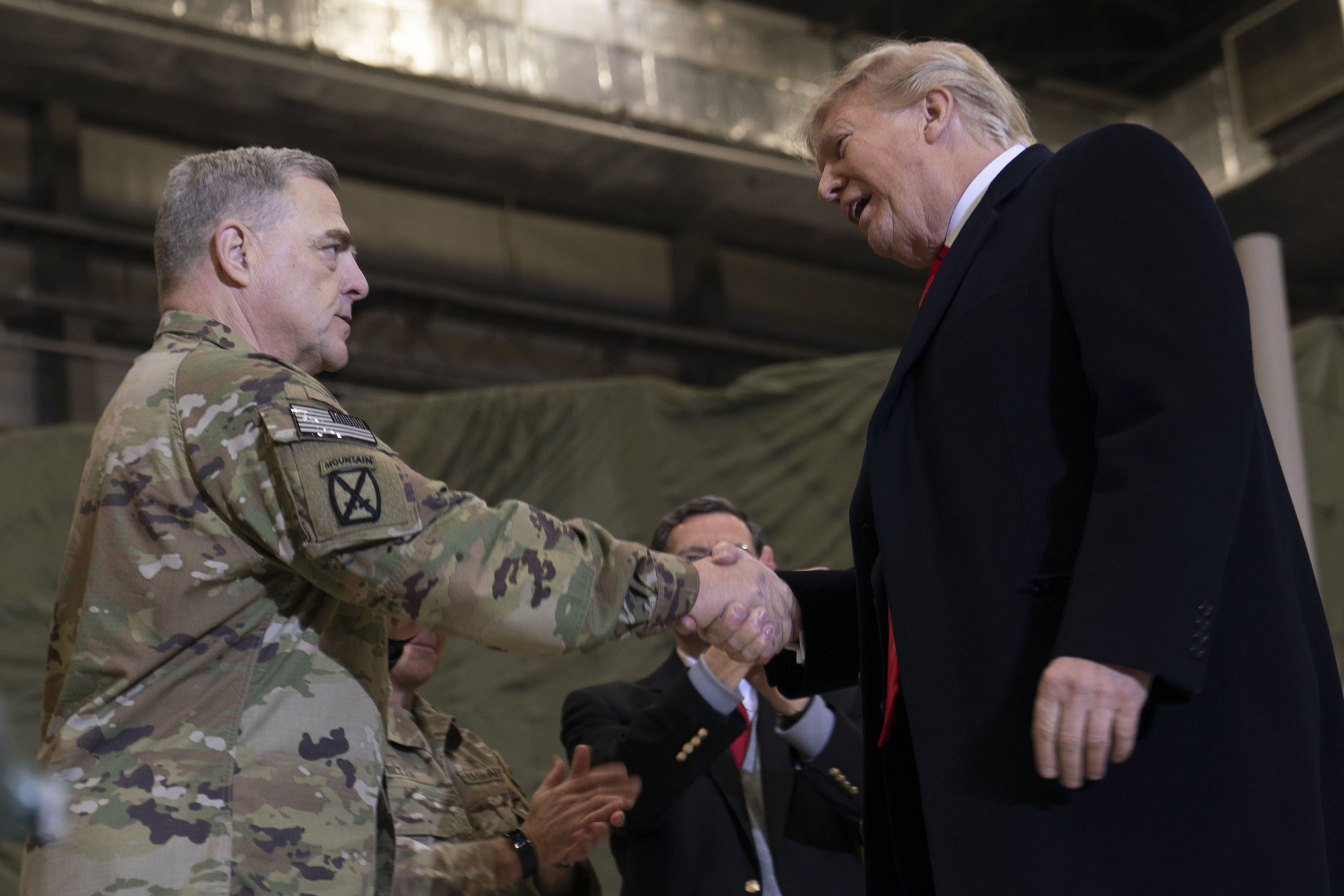
All three built careers defined by a core military oath: to defend the Constitution of the United States against all enemies, foreign and domestic.
When leaders bound by that oath decide to speak publicly, the moment carries symbolic weight.
Yet the reaction has been sharply divided across the political landscape.
Supporters of Trump argue that the generals are engaging in political activism after leaving office, breaking with the long-standing expectation that military leaders remain above partisan conflict.
They contend that disagreements over policy do not justify public condemnation of a former president.

Critics, however, interpret the warnings as evidence of deep institutional concern.
They argue that the willingness of senior commanders to speak openly reflects an extraordinary sense of alarm about the direction of American leadership and the potential misuse of military power.
The controversy highlights a delicate balance at the heart of American democracy.
The military operates under civilian control, meaning presidents ultimately command the armed forces.
But that authority is constrained by constitutional law and institutional norms designed to prevent the politicization of military power.

When tensions emerge between those principles and presidential authority, the consequences ripple far beyond Washington.
For the public, the spectacle of former generals criticizing a former commander-in-chief raises uncomfortable questions about trust, accountability, and the fragility of democratic traditions.
The debate is unlikely to fade soon.
Because when the voices raising alarms are the very officers once entrusted with safeguarding the nation’s military strength, their warnings — whether embraced or rejected — become impossible to ignore.