Redactions, Revelations, and the Names That Shook Washington
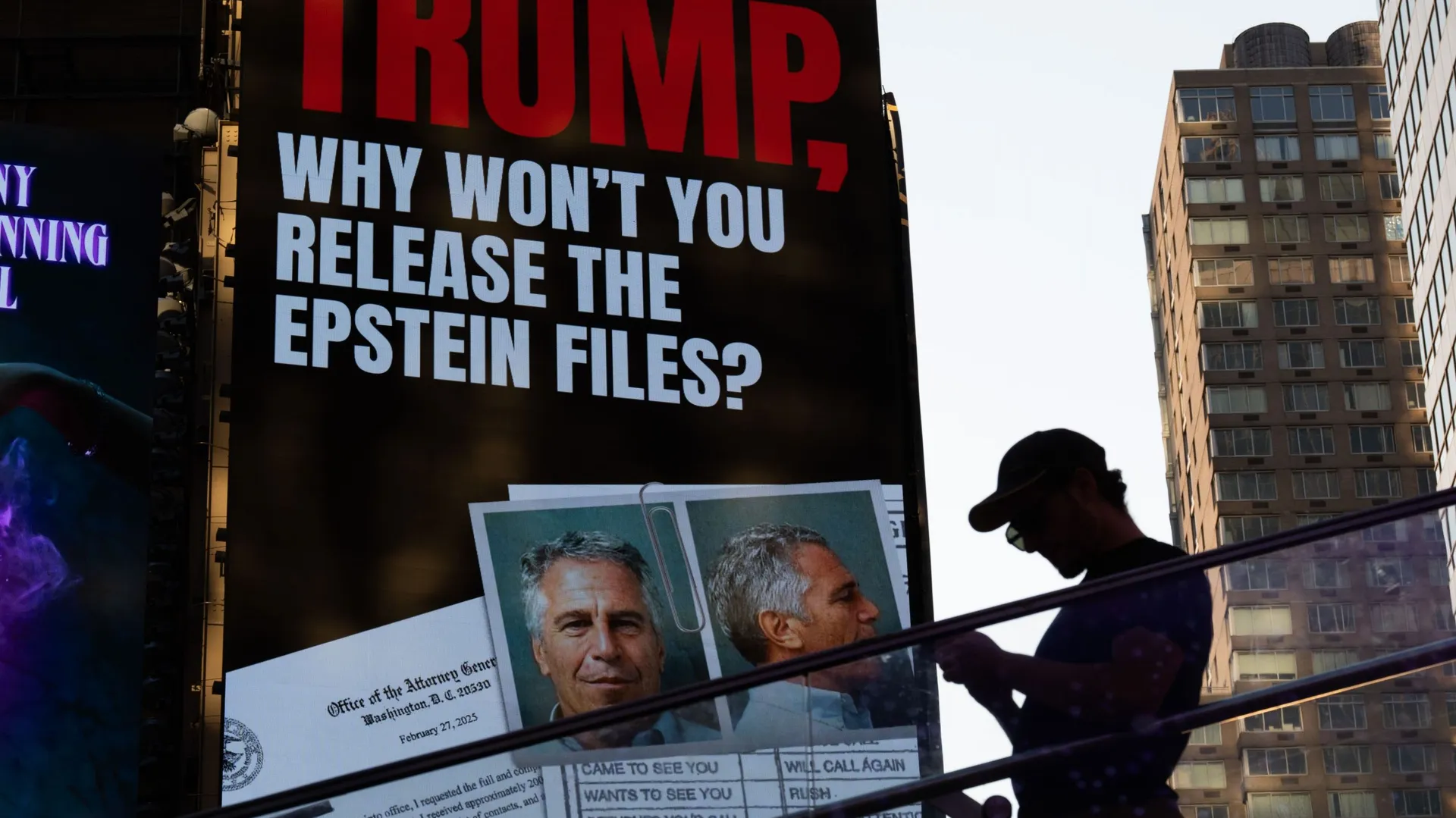
In a political climate already charged with distrust, a quiet admission from the Department of Justice has ignited a fresh firestorm. What was described as a “mistake” now threatens to reopen some of the most explosive questions surrounding Jeffrey Epstein’s sealed files.
Two lawmakers from opposite sides of the aisle — Republican Thomas Massie and Democrat Ro Khanna — revealed that six powerful names had been redacted from documents they reviewed. Only after pressing officials did the DOJ acknowledge the omissions were erroneous.
The newly disclosed names include prominent business figures and international elites, instantly amplifying suspicions that the public has not seen the full picture. For critics, the explanation of a clerical oversight feels thin against the gravity of what these files represent.

Khanna told colleagues on the House floor that many of the redactions originated within the FBI before the documents ever reached Justice Department hands. Even more striking, he said that roughly 70 to 80 percent of the material remains heavily blacked out.
That level of secrecy has reignited an old and uncomfortable question: how much protection do the powerful receive when scandals threaten to engulf them? Transparency advocates argue that trust cannot survive behind walls of inked-over paragraphs and withheld pages.
Particularly incendiary was one document reportedly labeling retail magnate Leslie Wexner a “co-conspirator.” The language appears to conflict with earlier public testimony from FBI Director Kash Patel, who stated there was no evidence Epstein trafficked girls to others.
The contradiction, whether contextual or substantive, is politically combustible. Lawmakers are now demanding clarification on how such terminology was used and why it was shielded. In Washington, even a single word can detonate weeks of strategic messaging.
Compounding the tension, Commerce Secretary Howard Lutnick admitted under oath that he visited Epstein’s private island in 2012, years after Epstein’s conviction. The admission stands in contrast to earlier claims that ties had been severed sooner.
While visiting the island does not imply wrongdoing, the timing has fueled scrutiny. For many Americans, Epstein’s network has always symbolized a system where wealth and influence blur ethical lines, and proximity itself raises uncomfortable suspicions.
Massie and Khanna insist their push is not partisan theatre but a demand for equal accountability. They argue that the American public deserves access to complete, unredacted records — not selective disclosures shaped by bureaucratic discretion.
The DOJ maintains that the redactions were procedural mistakes, not deliberate concealment. Yet in a nation fatigued by institutional missteps, assurances alone may no longer suffice. Confidence, once shaken, is notoriously difficult to restore.
Across social media and cable panels, speculation now swirls faster than official statements can contain it. Each newly surfaced detail invites another question, another doubt, another headline dissecting what remains hidden beneath thick black lines.

At its core, this controversy is not solely about six names. It is about credibility — of agencies, of sworn testimony, of a system that promises equal justice regardless of wealth or rank.
For many watching from both sides of the Atlantic, the Epstein saga has become a mirror reflecting anxieties about elite impunity. The demand echoing through Congress is simple but formidable: release the files in full.
Whether that call will be answered remains uncertain. But one thing is clear — the story is far from closed, and the ink covering those remaining pages may yet prove more powerful than what has already been revealed.