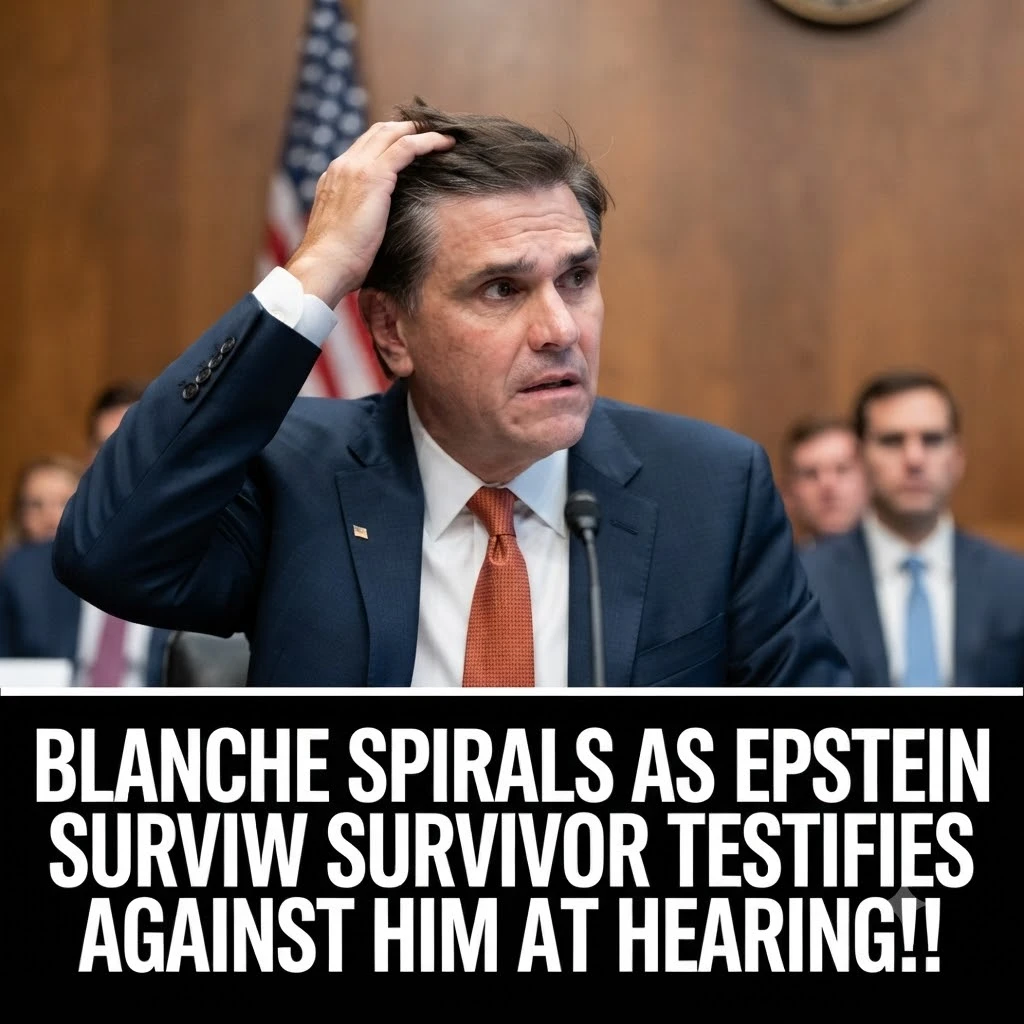
Countdown in Washington: Impeachment Whispers and the Politics of Survival
In Washington, political survival is rarely declared lost in a single moment. It erodes, quietly at first, through hearings, headlines, and hushed conversations in corridors where loyalty and calculation constantly collide.
In the aftermath of January 6, voices within both parties sharpened. Among them, Congressman Adam Kinzinger described the episode as one of the darkest chapters in modern American governance, framing it as an extraordinary rupture between branches of power.
His support for invoking the Twenty-Fifth Amendment marked a striking break from party orthodoxy. Though the amendment is designed for presidential incapacity, its mere discussion signaled how profoundly shaken parts of Congress had become.
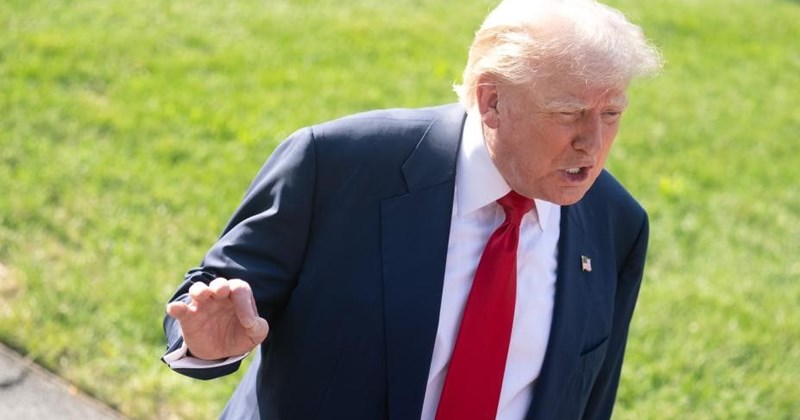
Yet impeachment politics is never straightforward. Even some Republicans privately warned that renewed proceedings against Donald Trump could fortify, rather than fracture, his base — transforming legal jeopardy into political martyrdom.
Behind closed doors, conversations reportedly turned pragmatic. Midterm elections were no longer abstract democratic rituals but strategic battlegrounds. Control of the House would determine committee gavels, subpoena power, and the direction of investigative momentum.
Democrats, for their part, made little secret of their preparation. Draft resolutions, exploratory inquiries, and oversight frameworks were positioned not as retaliation but as institutional accountability. In American politics, preparation is power — even when it remains unused.

Pressure campaigns extended beyond the Oval Office. Cabinet officials and senior advisers faced scrutiny, echoing tactics familiar from the Richard Nixon era, when cascading resignations accelerated constitutional reckoning during Watergate.
The comparison was not accidental. Watergate remains the benchmark for executive crisis in the United States, a reminder that investigations can gather speed with startling force once public opinion shifts decisively.
Still, history rarely repeats itself cleanly. The electorate has grown more polarized, media ecosystems more fragmented, and partisan loyalties more entrenched. What once might have triggered bipartisan consensus now often deepens division.

For Trump allies, the strategy has been resilience. Public confidence. A refusal to concede vulnerability. In American politics, perception can be as potent as policy, and projecting strength often becomes an end in itself.
For critics, the argument centers on precedent. They contend that failing to pursue accountability risks normalizing executive overreach, eroding constitutional guardrails that were designed precisely for moments of extraordinary strain.
The midterms, therefore, loom as more than a routine electoral contest. They represent a referendum on narrative — whether voters see investigation as necessary oversight or partisan excess.
If congressional control shifts, the balance of institutional power shifts with it. Committee chairs change. Agendas realign. Subpoenas issue. Political temperature rises. Washington’s machinery moves quickly once leverage changes hands.
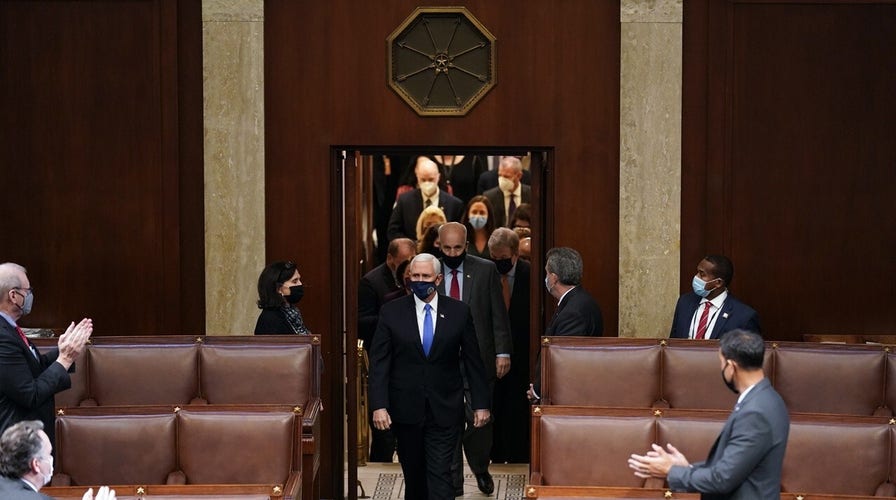
Yet American democracy, however strained, is structured around such tests. Elections redistribute authority. Courts arbitrate disputes. Congress investigates. The presidency responds. The friction is deliberate, embedded within the constitutional design.
In the end, impeachment talk is both legal mechanism and political theater. It signals risk, shapes fundraising, mobilizes voters, and reframes campaigns around accountability versus grievance.
As the electoral clock ticks toward November, uncertainty remains the only constant. Whether impeachment becomes reality or remains a rhetorical weapon will depend less on speculation than on ballots cast across fifty states.
In Washington, power is never static. It waits for the next vote.