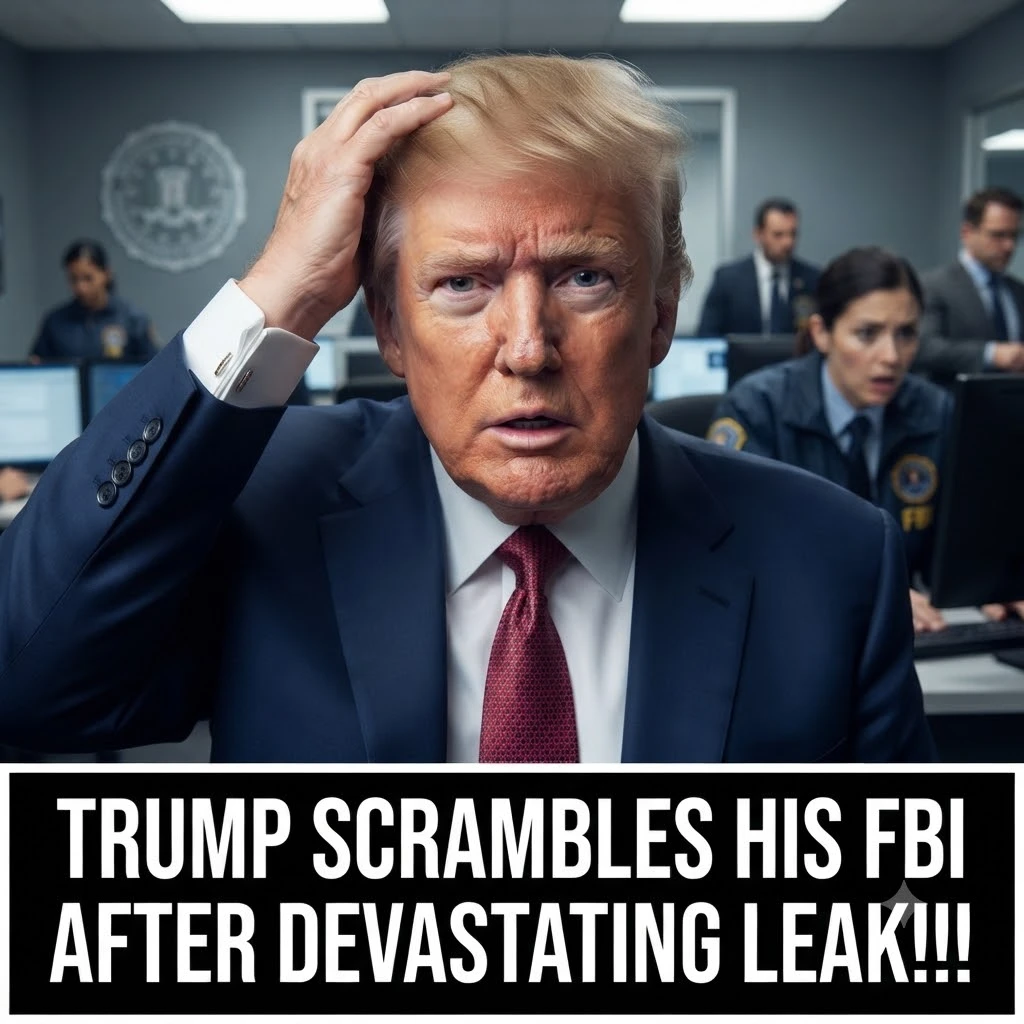
The Curious Case of Trump’s Suits: Why the World’s Most Talked-About Wardrobe Looks Deliberately Imperfect

In politics, image often speaks before words. Few public figures illustrate this more vividly than Donald Trump, whose suits have become almost as recognizable as his rhetoric.
To critics, the look is baffling. Jackets appear slightly oversized, shoulder pads seem exaggerated, trousers gather at the ankles, and ties often stretch well below the belt line.
The result can look oddly disproportionate, particularly when Trump leans forward at a podium or stands beneath the bright lights of a campaign rally. Yet this distinctive style is far from accidental.

For years, commentators have wondered how a billionaire with unlimited access to luxury fashion could repeatedly appear in suits that seem, at least to traditional tailors, imperfectly fitted.
Speculation has often centered on the brand believed to produce many of his garments, the Italian label Brioni, renowned for its meticulous tailoring and association with political and corporate elites.
A house known for flawless craftsmanship would hardly overlook such visible details. That observation has led many fashion analysts to a different conclusion: the unusual proportions are intentional.
Trump’s suits, they argue, form part of a carefully constructed personal brand. Just as his voice, gestures, and slogans are unmistakable, so too is the silhouette he presents on the public stage.
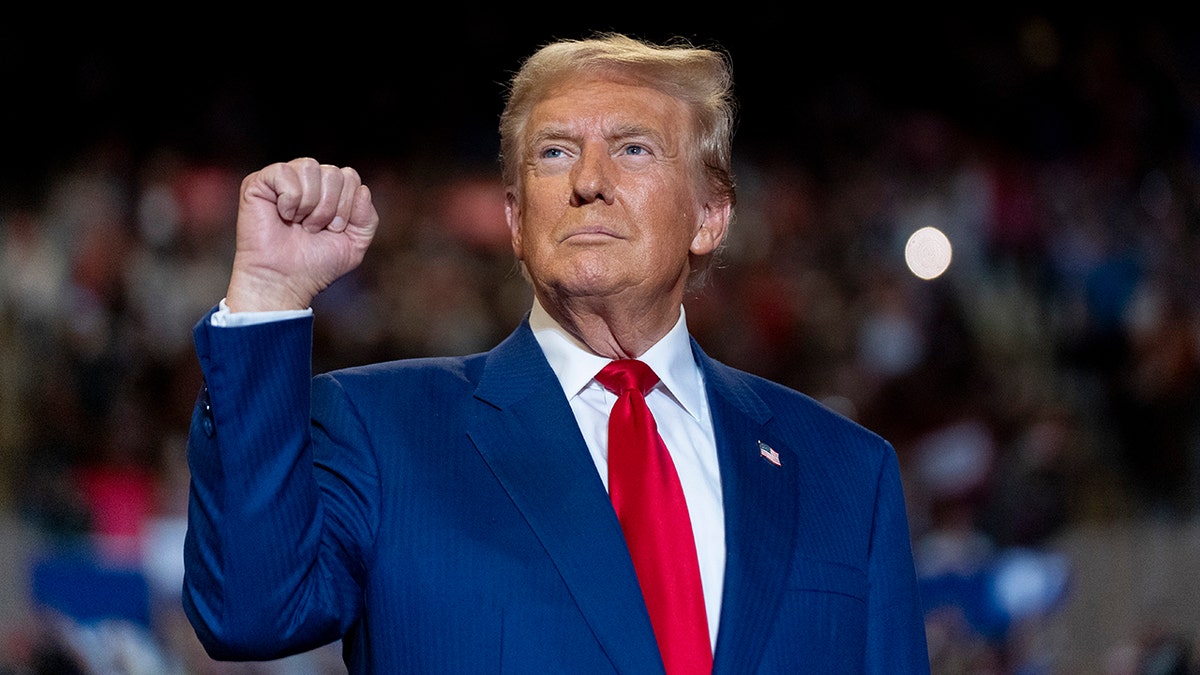
One explanation lies in practicality. Trump, now in his late seventies, has long preferred looser cuts that provide comfort during long days of public appearances and travel.
Tailoring experts note that roomier jackets and trousers allow easier movement, particularly for individuals who prefer garments that do not tightly follow the body’s contours.
But comfort alone does not explain everything. The famous long tie—sometimes reaching well below the waist—has sparked particular fascination among fashion observers.
According to stylists, elongating a tie visually extends the vertical line of the torso, subtly altering how the human eye interprets height and proportion.
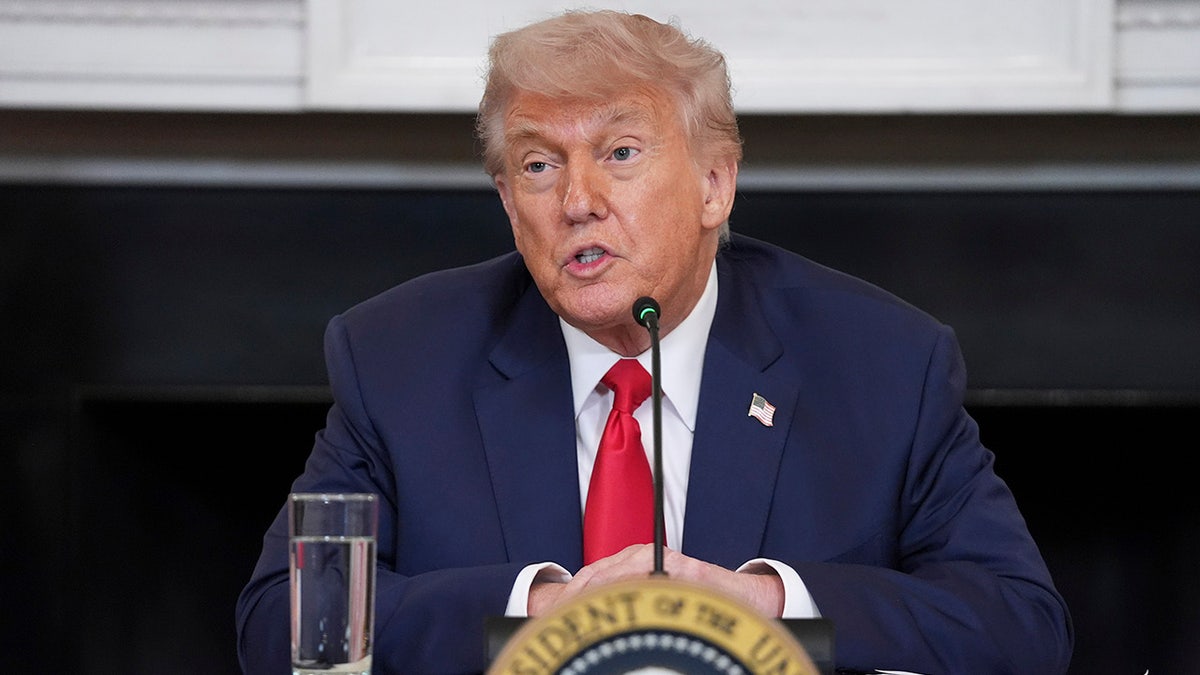
In Trump’s case, this technique can create the impression of a longer frame, balancing broader shoulders and a fuller midsection beneath the structured lines of a suit jacket.
The oversized shoulder pads play a role as well. By exaggerating the upper silhouette, they project authority and physical presence—an effect long used in business and political attire.
Together, these elements create a recognizable uniform. Whether on the campaign trail, in television interviews, or at international summits, Trump’s appearance is immediately identifiable from a distance.
For supporters, the look conveys consistency and confidence. For critics, it remains an easy target for satire and late-night comedy.

Yet in the world of branding, recognizability often outweighs perfection. A distinctive visual identity can become a powerful tool in shaping how audiences perceive a public figure.
Trump has long understood this dynamic. Throughout his career in real estate, television, and politics, he has leaned heavily on visual symbolism to reinforce his larger-than-life persona.
Seen from that perspective, the famously “ill-fitting” suit may not be a mistake at all.
Instead, it functions as a calculated signature—one more element in a carefully orchestrated image that ensures, whether admired or mocked, the man wearing it is rarely forgotten.