Supreme Court Draws a Line: Landmark Ruling Challenges Trump’s Use of Emergency Powers
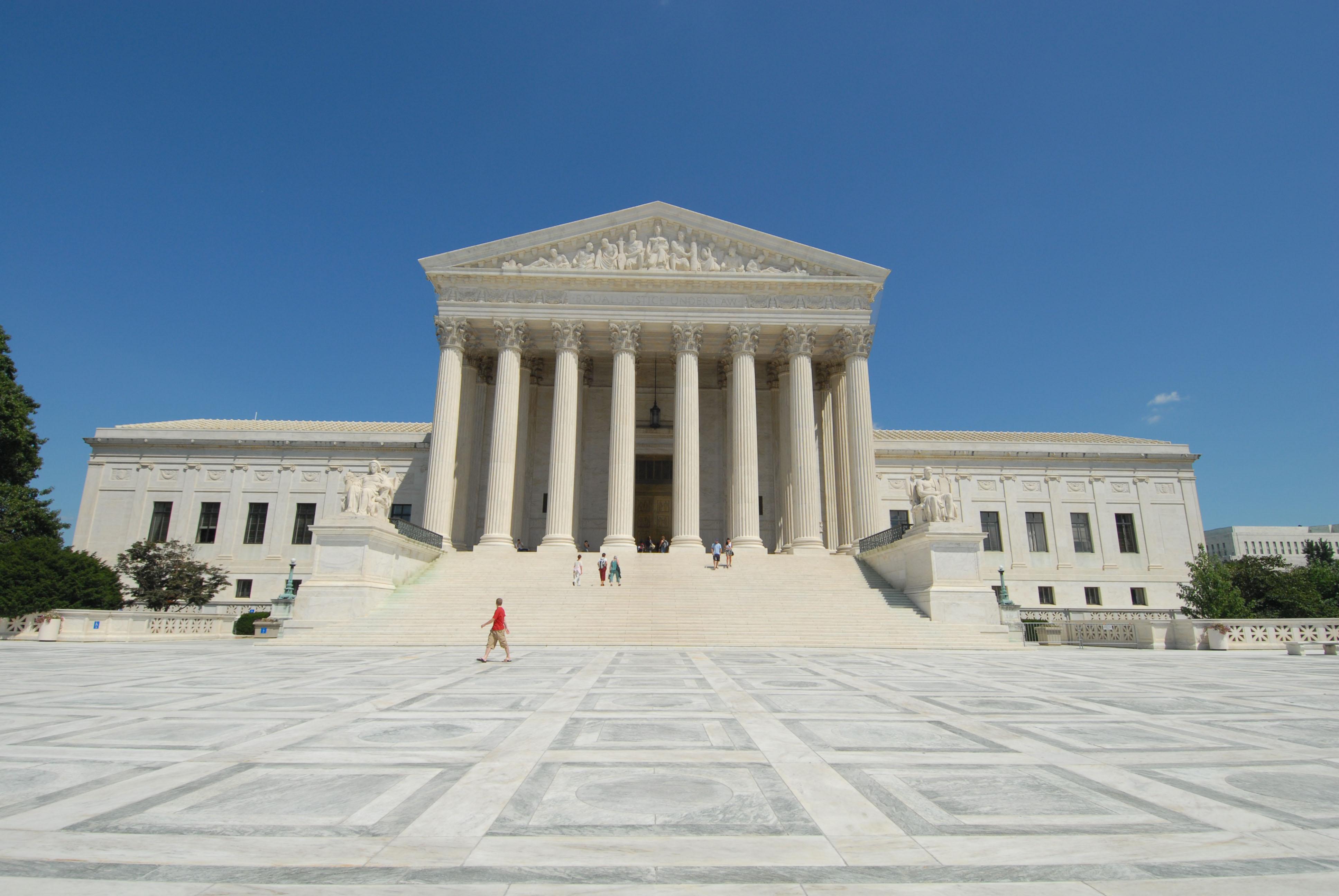
In a decision that reverberated across Washington and global markets alike, the Supreme Court of the United States issued a ruling that could reshape the limits of presidential authority for years to come.
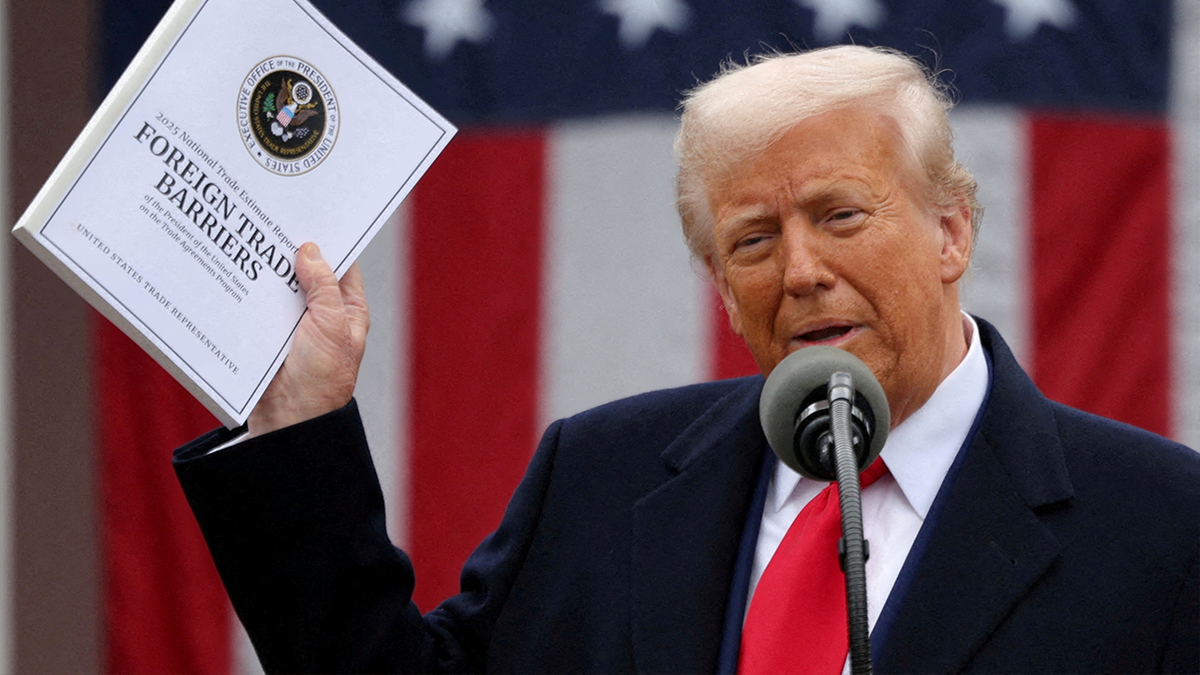
At the center of the case stood Donald Trump, whose sweeping tariff policies had been justified under emergency powers granted by the International Emergency Economic Powers Act. The administration argued that extraordinary circumstances demanded decisive economic action.
But the Court disagreed.
In a 6–3 decision, the justices concluded that the law cited by Trump does not provide presidents with unlimited authority to impose broad tariffs on global trade. According to the ruling, emergency powers cannot be stretched beyond the boundaries set by Congress.
Writing for the majority, Chief Justice John Roberts emphasized a principle that lies at the heart of the American constitutional system: executive power must remain subject to legal limits.
Emergency authority, Roberts wrote, exists to address genuine crises, not to serve as an open-ended tool for reshaping international economic policy. Congress, the Court reminded, retains the primary power to regulate trade.
The case immediately drew attention for another reason. Two conservative justices appointed during Trump’s presidency — Neil Gorsuch and Amy Coney Barrett — joined the majority opinion.
Their votes signaled that the Court’s ruling was not simply a partisan rebuke but a broader institutional statement about constitutional boundaries and the separation of powers.
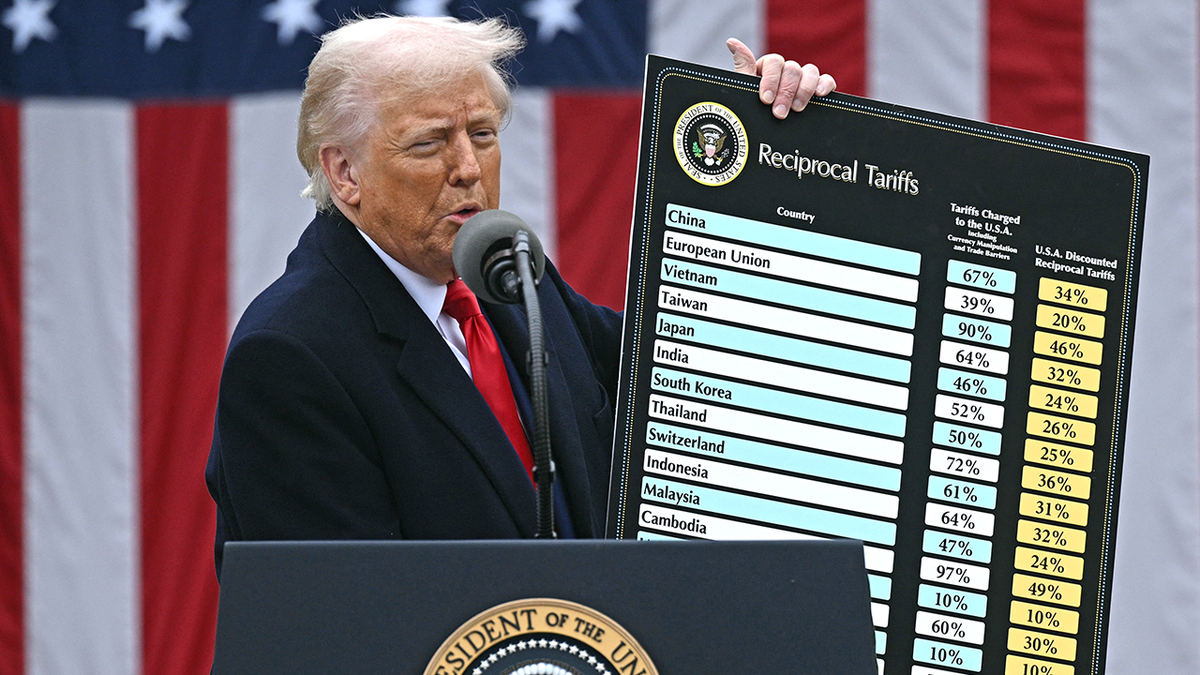
Legal scholars quickly described the decision as one of the most consequential checks on presidential authority in recent years. By rejecting the administration’s interpretation of emergency powers, the Court effectively narrowed how future presidents may invoke such laws.
The ruling also carries immediate economic implications. Companies that had reorganized supply chains and pricing strategies in response to Trump’s tariffs now face renewed uncertainty about the regulatory environment governing international trade.
Markets reacted cautiously. Investors began reassessing industries that had benefited from protectionist measures, while analysts warned that sudden policy reversals could ripple through manufacturing and global supply networks.
Politically, the consequences may prove equally significant. Several Republican candidates had publicly defended the tariff strategy as a necessary response to unfair foreign competition.
Now those arguments face a difficult test. Supporting a policy that the nation’s highest court has ruled beyond presidential authority may complicate the political messaging surrounding economic nationalism.
For Trump, the decision represents both a legal setback and a symbolic moment. His presidency frequently emphasized aggressive executive action, particularly in areas such as trade, immigration, and national security.
Yet the Court’s ruling underscores a recurring theme in American governance: the presidency, powerful as it is, does not operate without constitutional guardrails.
Observers in Washington note that the decision could influence future legal battles over executive authority. Presidents of both parties have increasingly relied on emergency declarations to bypass legislative gridlock.
This ruling signals that such strategies may now face stricter judicial scrutiny.
For the broader public, the case highlights a fundamental tension within modern democracies — the balance between decisive leadership during crises and the rule of law that restrains concentrated power.
The Supreme Court’s message was clear.
Emergency powers may be formidable tools.
But they are not a blank check.