Pop, Power, and Copyright: How Kesha’s Swift Response Turned a Political Video Into a Legal Firestorm
In the volatile intersection of politics and pop culture, missteps travel fast. Less than twelve hours after a war-mobilization video linked to the administration of Donald Trump circulated online, an unexpected backlash began gathering momentum.
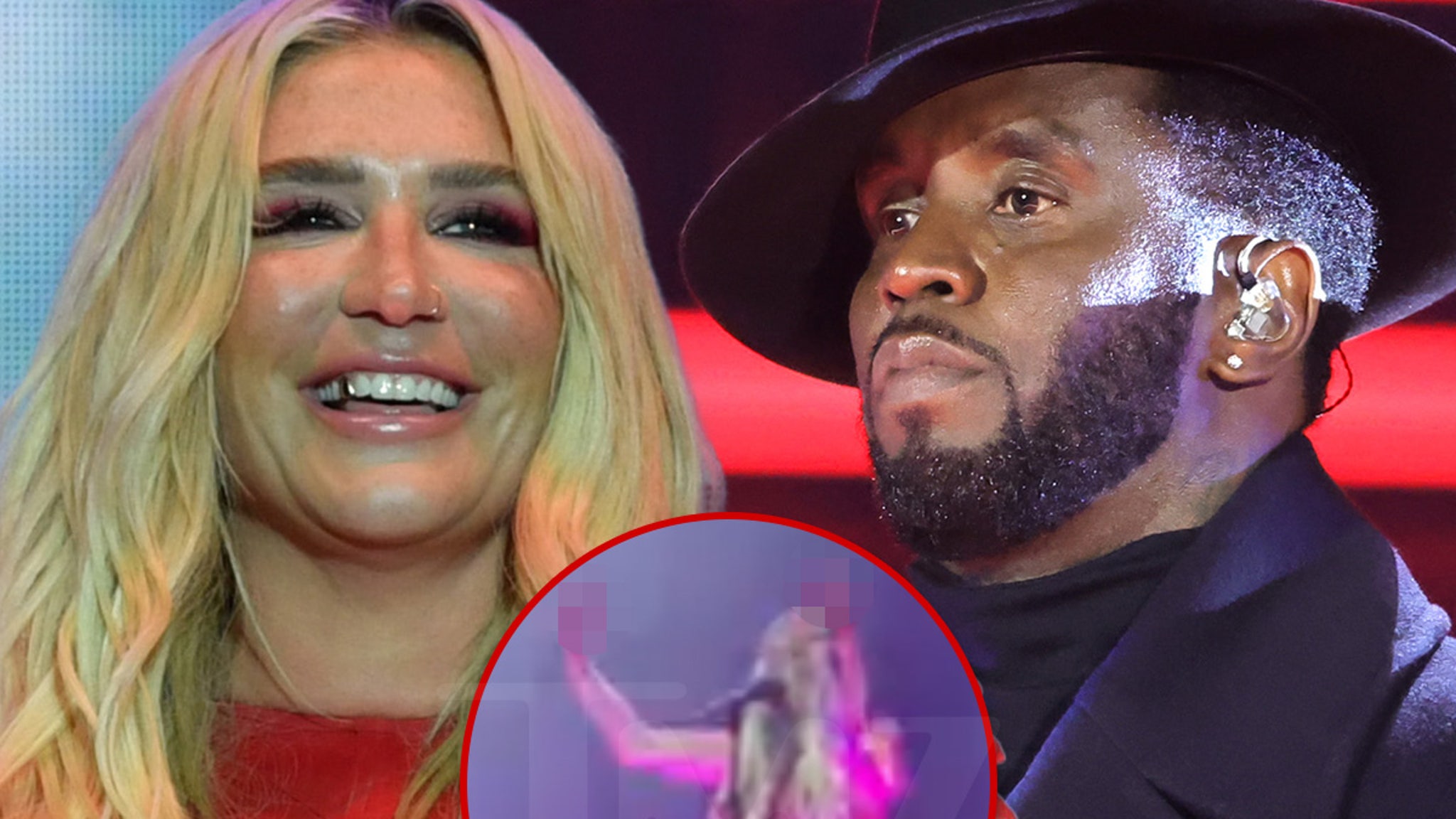
The controversy centered on the apparent use of a song by pop star Kesha. Observers quickly noticed striking similarities between the soundtrack of the political video and one of the singer’s well-known tracks.
At first, the clip seemed destined to disappear into the endless churn of internet content. Yet within hours, Kesha herself stepped into the conversation, transforming a fleeting media moment into a cultural and legal debate.

Taking to social media, the artist addressed the issue directly. She argued that the video had appropriated the emotional tone of her music in a context she neither approved nor supported.
Her response struck a careful balance between frustration and clarity. The singer reminded followers that the original message of her song centered on compassion, resilience, and personal redemption—values she felt were incompatible with militaristic messaging.
Alongside a side-by-side comparison image, she posed a pointed rhetorical question that quickly spread online: how could a government speak of respect for law while ignoring the basic copyrights of artists?
Within minutes, the post ignited debate across social platforms. Fans rallied behind the singer, while commentators began examining the legal implications of using commercial music inside political propaganda.
Yet Kesha’s response did not stop at public criticism. Behind the scenes, her team consulted music law specialists to determine whether the video’s creators had obtained a synchronization license—an essential requirement when pairing music with visual media.
According to the statement released shortly afterward, no such license had been granted. If accurate, the video’s creators could face allegations of unauthorized commercial use, a violation that copyright attorneys treat seriously.
The statement went further, suggesting that the incident reflected a broader pattern in which popular culture is leveraged for political branding without permission from the artists who created it.
For Kesha, the dispute was not merely about royalties or legal technicalities. It was about ownership of meaning—who has the right to attach political messages to music that audiences associate with deeply personal themes.

Legal experts note that musicians have frequently clashed with political campaigns over unauthorized song use. Artists from across the ideological spectrum have objected when their work appears in rallies or campaign material.
Still, the speed and precision of Kesha’s response surprised many observers. In less than half a day, a video intended to project strength had become a public discussion about copyright, artistic integrity, and cultural influence.
For political strategists, the episode serves as a cautionary tale. In an age when artists maintain direct relationships with millions of fans online, attempts to repurpose popular music can backfire with remarkable speed.
What began as a dramatic political video ultimately evolved into something far more complicated: a reminder that in the digital era, culture and politics share the same stage—and neither side controls the spotlight for long.