Inside the Fox News Storm: Trump’s Military Gamble Sparks an Unexpected On-Air Reckoning
For years, Fox News has been one of the most influential platforms shaping conservative political debate in the United States. But during a recent broadcast, the network itself became the stage for an unusually tense and revealing moment.
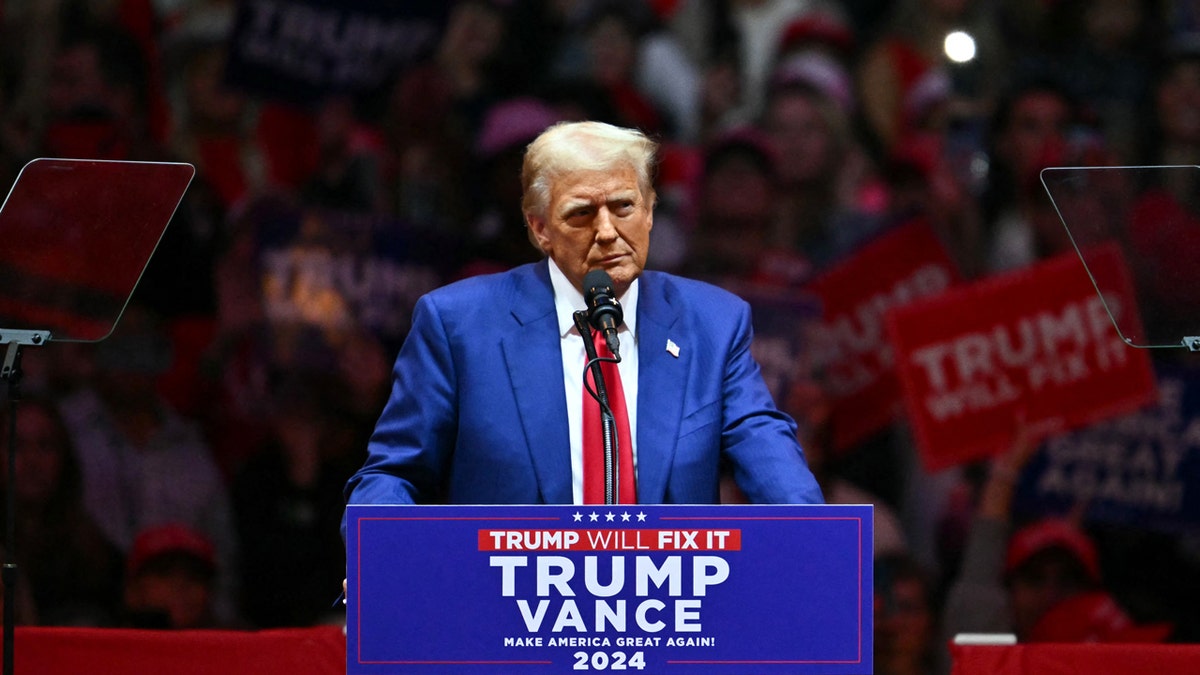
At the center of the discussion was Donald Trump and a controversial military operation that has rapidly divided political commentators, lawmakers, and voters across the country.
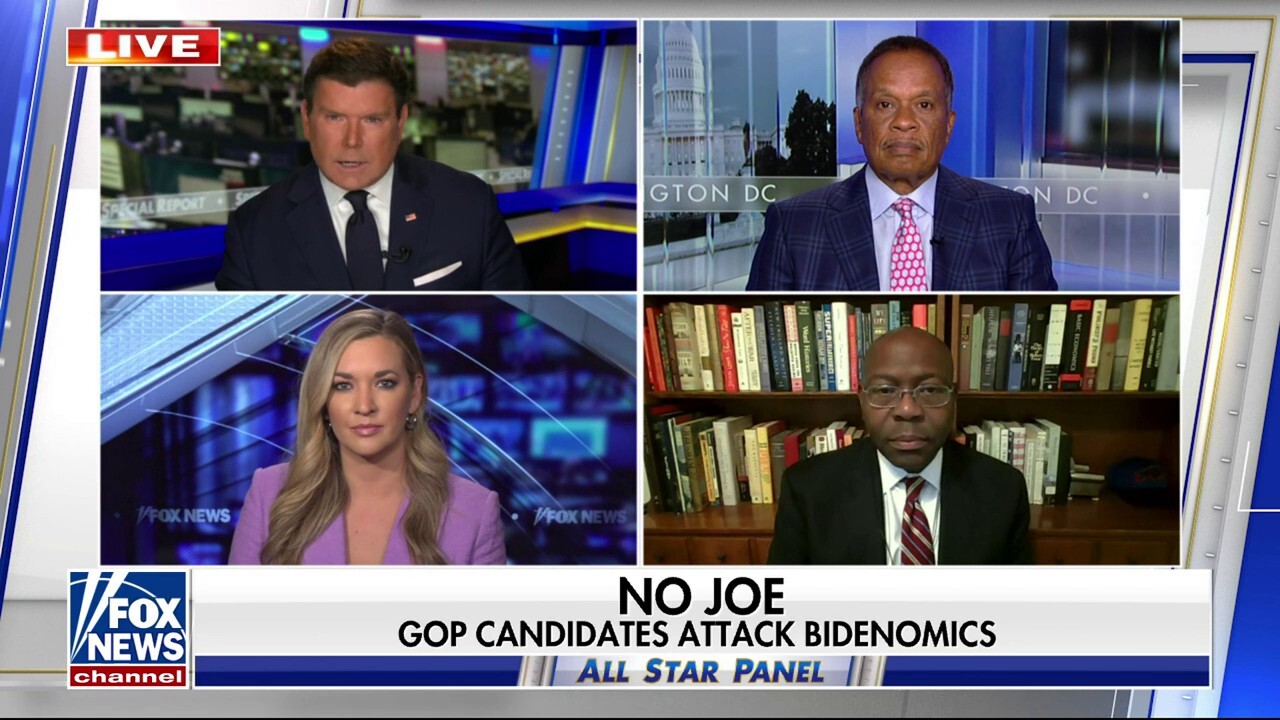
What began as a typical panel discussion quickly turned into a wider debate about strategy, consequences, and the uncertain direction of American foreign policy.
Several prominent Republican voices moved quickly to defend the operation. Senator Lindsey Graham, speaking during the discussion, argued that threats facing the United States do not always need to be “imminent” in order to justify decisive military action.

Supporters framed the operation as a demonstration of strength. They argued that voters elected Trump precisely because he promised bold decisions rather than cautious diplomacy.
Among the most vocal defenders was Jesse Watters, who suggested the move could strengthen American influence over global energy markets while simultaneously weakening geopolitical rivals.
According to Watters, the operation represented a strategic maneuver that could pressure both Russia and China, describing the move as something close to “checkmate” in a broader geopolitical game.
But not everyone on the network appeared entirely convinced.
As the conversation unfolded, subtle shifts in tone began to emerge. Some commentators raised concerns about the long-term objectives of the military operation and whether those goals had been clearly defined.
Questions surfaced about the potential costs of sustained involvement. Military engagements rarely unfold according to early predictions, and critics warned that history offers many examples of conflicts that expanded far beyond their original scope.
Economic consequences also entered the conversation. Rising fuel prices and the possibility of broader market instability became part of the debate, particularly as global energy markets reacted to the escalating tensions.
For many viewers, the most striking aspect of the broadcast was the visible discomfort among some commentators who struggled to reconcile strong political loyalty with practical policy concerns.

The divide reflects a larger debate now unfolding within American politics. On one side are those who believe strong military action signals credibility and deterrence on the world stage.
On the other side are analysts who fear the United States may once again drift toward a prolonged conflict without a clearly defined endgame.
The discussion also echoed memories of earlier American interventions in the Middle East, conflicts that initially promised swift outcomes but evolved into years of complicated military commitments.
Supporters of the operation argue that short-term economic pain and political controversy may ultimately deliver long-term strategic benefits for American security.
Critics, however, remain skeptical. They question whether the mission directly serves U.S. national interests or risks entangling the country in another unpredictable regional conflict.
For Donald Trump, the stakes are not only geopolitical but political. Polling data circulating in Washington suggests the issue could influence public perception of his leadership at a sensitive moment.
Meanwhile, the debate unfolding on Fox News highlights something rarely visible on the network: internal disagreement about how far American power should go.
What was meant to be a discussion about strategy ultimately revealed something deeper — a conservative media ecosystem grappling in real time with the consequences of a bold and controversial decision.
And for viewers across the United States and beyond, the moment offered a rare glimpse into a political debate still very much unresolved.