The Silent Legacy of Diana: How One Decision Echoed Through the Royal Family

In the long and complicated history of the British monarchy, few figures have left a mark as powerful as Diana, Princess of Wales. Her warmth, compassion, and remarkable ability to connect with ordinary people made her one of the most beloved members of the royal family in modern history.
Decades after her passing, Diana’s influence continues to shape how many people see the monarchy. Her life, her struggles, and her legacy remain central to the public’s understanding of the royal story.
One moment that continues to spark discussion among royal watchers is her highly publicized divorce from Charles III, then known as Prince Charles. The separation was not just a personal turning point—it was a defining moment for the monarchy itself.
A Divorce That Captured the World’s Attention
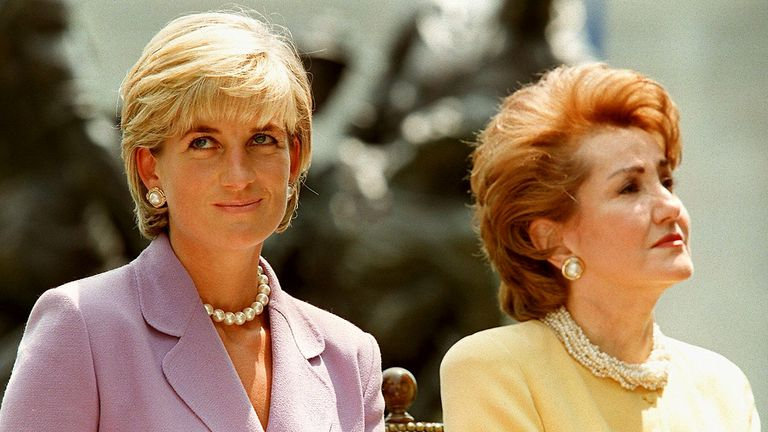
When Diana and Charles divorced in 1996, it marked the end of a marriage that had unfolded under constant global scrutiny. The breakup followed years of public tension, emotional strain, and media coverage that captivated audiences around the world.
As part of the settlement, Diana received a significant financial agreement. But beyond money, one issue carried symbolic weight: her royal title.
Diana retained the title Princess of Wales, though she no longer held the style “Her Royal Highness.” Even with that change, the title remained closely associated with her identity and public image.
For millions of people, Diana and the title “Princess of Wales” had become inseparable.
The Long Shadow of Public Memory
At the center of the royal drama was another figure who would later become central to the monarchy’s future: Camilla, Queen Consort.
For many years, Camilla’s public image was deeply affected by the circumstances surrounding the end of Charles and Diana’s marriage. In the eyes of much of the public, Diana’s story overshadowed everything that followed.
When Charles and Camilla eventually married in 2005, the palace chose a careful approach to titles. Instead of using the title Princess of Wales—closely linked in public memory to Diana—Camilla used the title Duchess of Cornwall.
This decision reflected the complex emotional legacy surrounding Diana’s role in royal history.
Diana’s Enduring Place in the Public Heart
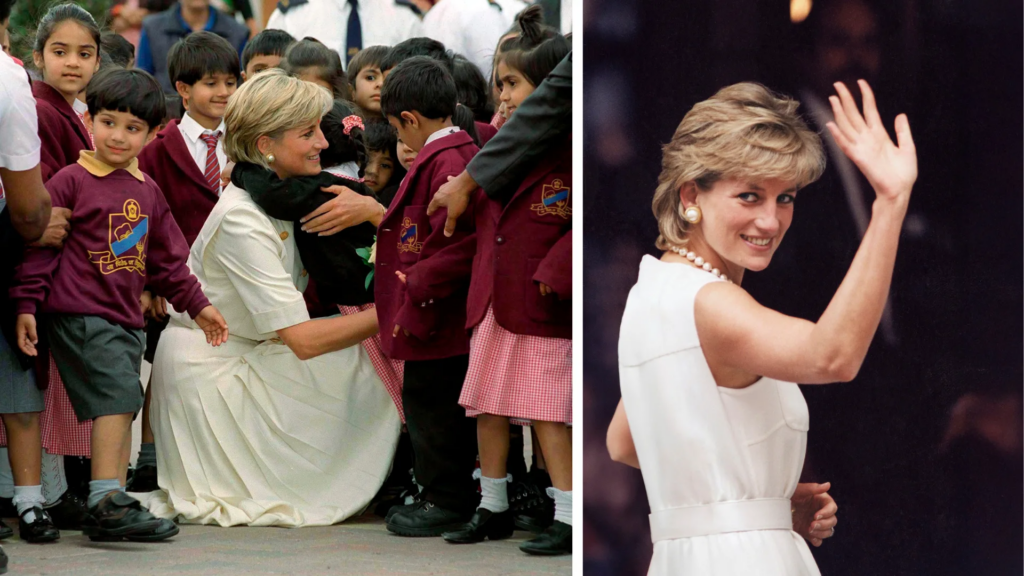
The reason Diana’s legacy remains so powerful lies not only in the events of her life, but also in the way she transformed the role of a royal figure.
She was known for breaking traditional barriers within the monarchy. She shook hands with AIDS patients at a time when many feared doing so. She brought attention to humanitarian causes and connected with people in a direct, personal way rarely seen in royal life before.
Her compassion and vulnerability made her relatable in a way that few public figures achieve.
That connection is why Diana’s memory continues to resonate with so many people across the world.
The Monarchy Moves Forward
Over time, the royal family has gradually evolved. When Charles III became king, Camilla officially became queen, marking another chapter in the monarchy’s long story.
While public opinions about royal figures can differ, the institution itself continues adapting to new generations and changing expectations.
At the same time, Diana’s legacy remains a powerful reference point in discussions about the royal family’s modern identity.
Her sons—Prince William and Prince Harry—have both spoken openly about the influence their mother had on their lives and values.
Through them, many observers see elements of Diana’s approach to public service continuing in the next generation of royal leadership.
The Meaning of the “People’s Princess”
After Diana’s death in 1997, Tony Blair famously referred to her as “the People’s Princess.” The phrase quickly captured how millions of people felt.
Diana had never been queen in the constitutional sense. Yet in the emotional imagination of the public, she held a place that no title could fully define.
Her ability to connect with people across cultures and continents turned her into a global icon.
A Legacy Beyond Titles
Today, conversations about Diana often return to a simple truth: titles and positions may change over time, but emotional legacy lasts much longer.
The monarchy continues its long journey through history, adapting to new eras and new leaders. Yet the memory of Diana remains an essential part of that story.
She once said that she wanted to be remembered as someone who loved people and tried to help them.
In many ways, that wish came true.
Not through crowns or ceremonies, but through the lasting affection of people who saw in her something rare: humanity within the world’s most famous royal family.
And that is why, decades later, the story of Diana, Princess of Wales, still echoes through the halls of royal history. 👑