The Ring That Vanished: What Ayatollah Khamenei’s Final Gesture May Reveal About His Legacy
In the chaotic hours after the death of Ali Khamenei, investigators and aides combed through the wreckage searching for answers. Among the many details surrounding the scene, one absence stood out more than anything else.
The ring.
For decades, the simple yet symbolic ring had rarely left Khamenei’s hand. Photographs, speeches, and public appearances all showed the same familiar object resting on his finger — a quiet but constant emblem of his authority and faith.
Yet when his body was reportedly discovered amid the ruins, the ring was missing.

To outside observers, it seemed like a small detail in a moment of immense geopolitical shock. But to those who had followed Khamenei’s life closely, the absence immediately raised a question.
Had the ring been removed deliberately?
According to accounts circulating among political insiders and religious figures, the answer may lie in events that took place only days earlier. Three days before his death, Khamenei reportedly stopped wearing the ring for the first time in many years.
The decision was quiet and largely unnoticed.
But it was not accidental.
The ring itself carried deep meaning. Inscribed with words interpreted as “God is with me,” the piece had long symbolized both personal devotion and spiritual authority. In Shiite tradition, such rings often carry religious significance beyond simple decoration.
For Khamenei, it had become part of his public identity.
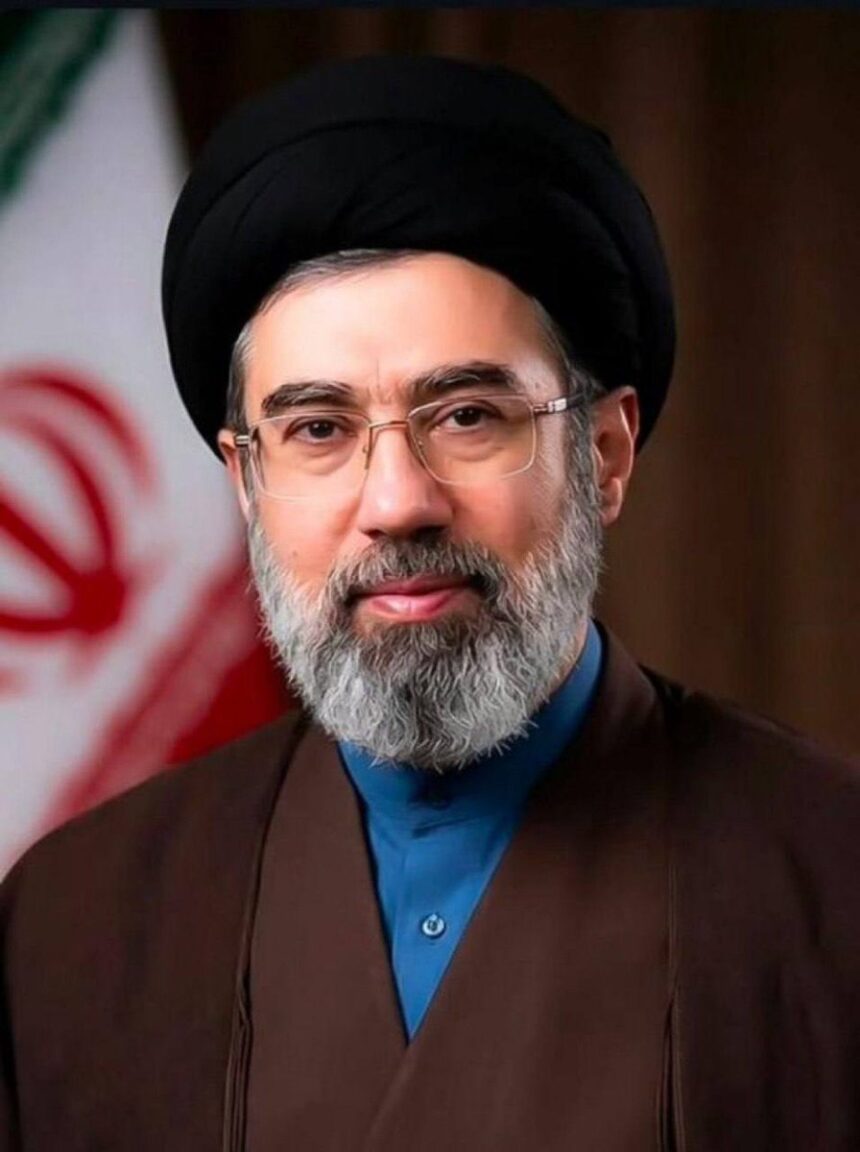
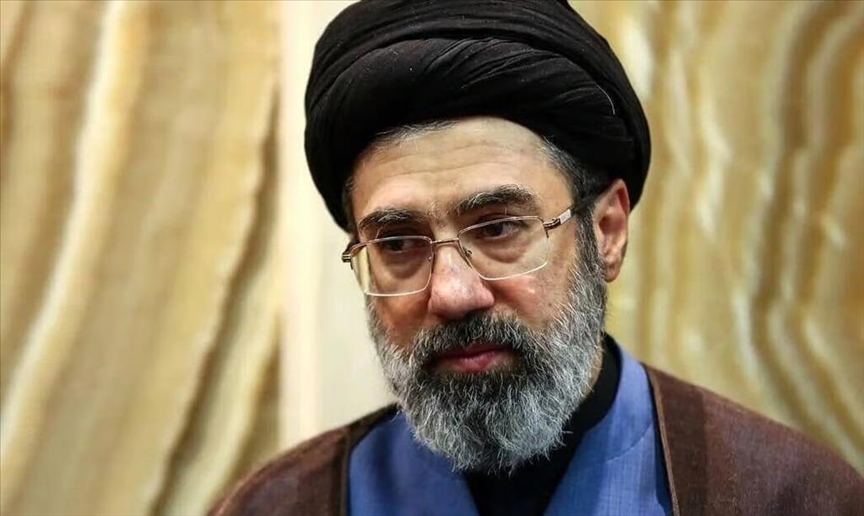
Those close to him claim the ring was entrusted to his son, Mojtaba Khamenei, shortly before his death. If true, the act may have been more symbolic than material — a gesture intended to pass on responsibility rather than wealth.
And wealth, interestingly, appears to have played little role in the story he left behind.

For years, speculation surrounded Khamenei’s personal fortune. Critics claimed the Supreme Leader controlled vast financial networks worth billions. Supporters, meanwhile, insisted he lived a comparatively modest life for a figure of such influence.
Accounts emerging after his death suggest that much of his personal property was not earmarked for his family.
Instead, some reports claim that he had already arranged for a significant portion of his assets to be directed toward charitable causes — particularly programs designed to support the poor and vulnerable.
In a society shaped by religious duty and political symbolism, that decision carries weight.

It reframes the narrative from one of hidden wealth to one of deliberate restraint.
At the same time, the Iranian state is expected to reclaim various resources connected to his position. Security units, residences, and institutional assets tied to the office of Supreme Leader would naturally transfer back to the state structure.
In practical terms, this means that Khamenei’s personal inheritance may have been surprisingly small.
Which returns attention to the ring.

If the stories prove accurate, the object may be the most meaningful item he intentionally passed down. Not because of its value, but because of what it represented: continuity, faith, and the burden of leadership.
In the end, the disappearance of the ring from his hand may not be a mystery at all.
It may have been a final decision.
A quiet act, carried out before the world was watching.
And perhaps, in its own understated way, a reminder that legacies are sometimes preserved not through wealth or monuments, but through symbols small enough to fit on a single finger.