Shock in Texas: Stunning Special Election Upset Sends Ripples Through Trump’s Political Base
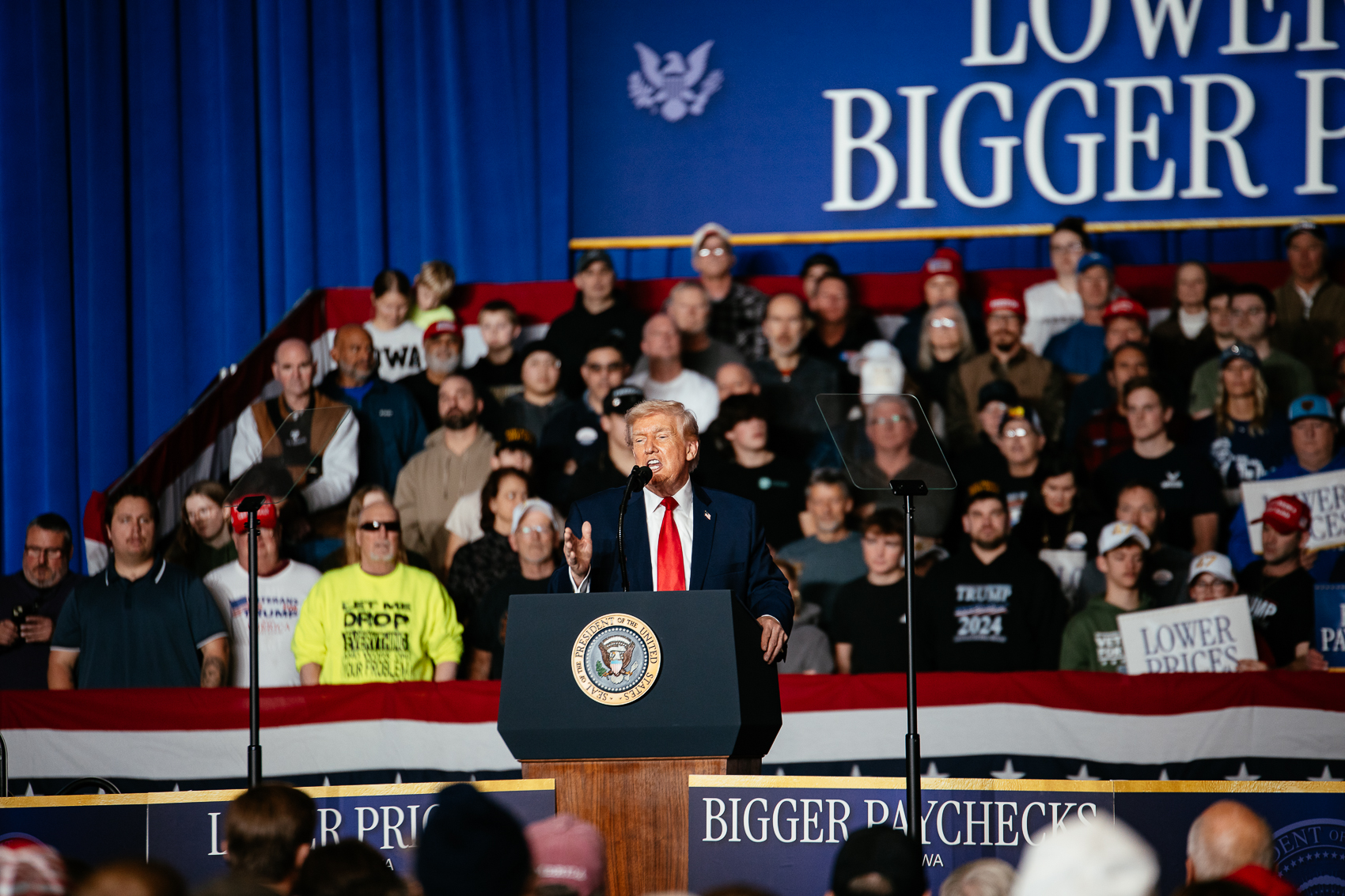
In a state long regarded as a Republican stronghold, an unexpected political earthquake has shaken assumptions about the durability of conservative dominance in Texas. A special election result has delivered a dramatic upset, leaving analysts, strategists, and party leaders scrambling to interpret its meaning.
The contest took place in a state Senate district widely viewed as safely Republican territory. In the 2024 presidential election, Donald Trump carried the district by an impressive margin of seventeen points.
Few observers expected serious competition.
Yet when the votes were finally counted, the outcome stunned nearly everyone following the race.

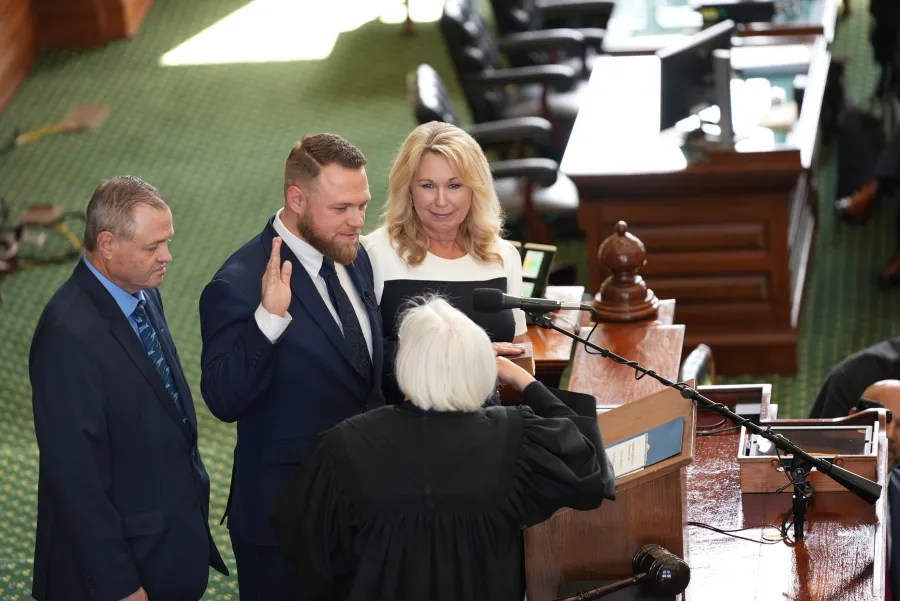
A Democratic candidate not only captured the seat but did so decisively, winning by fourteen points. The shift represents an extraordinary thirty-point swing compared with the district’s recent voting patterns.
In political terms, such a reversal is rare.
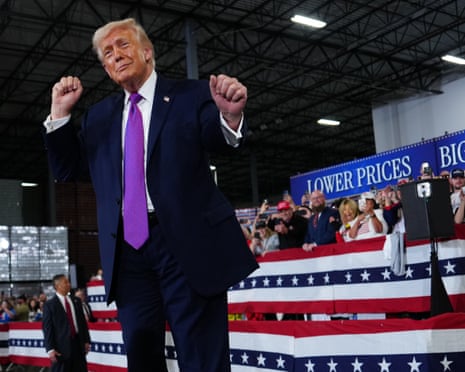
Even more striking was the role of Trump himself. The Republican candidate had received his personal endorsement and campaigned openly as a loyal supporter of the MAGA movement.
Throughout the campaign, Trump allies promoted her as a “MAGA warrior,” confident that his backing would energize conservative voters.
Instead, the result produced the opposite effect.
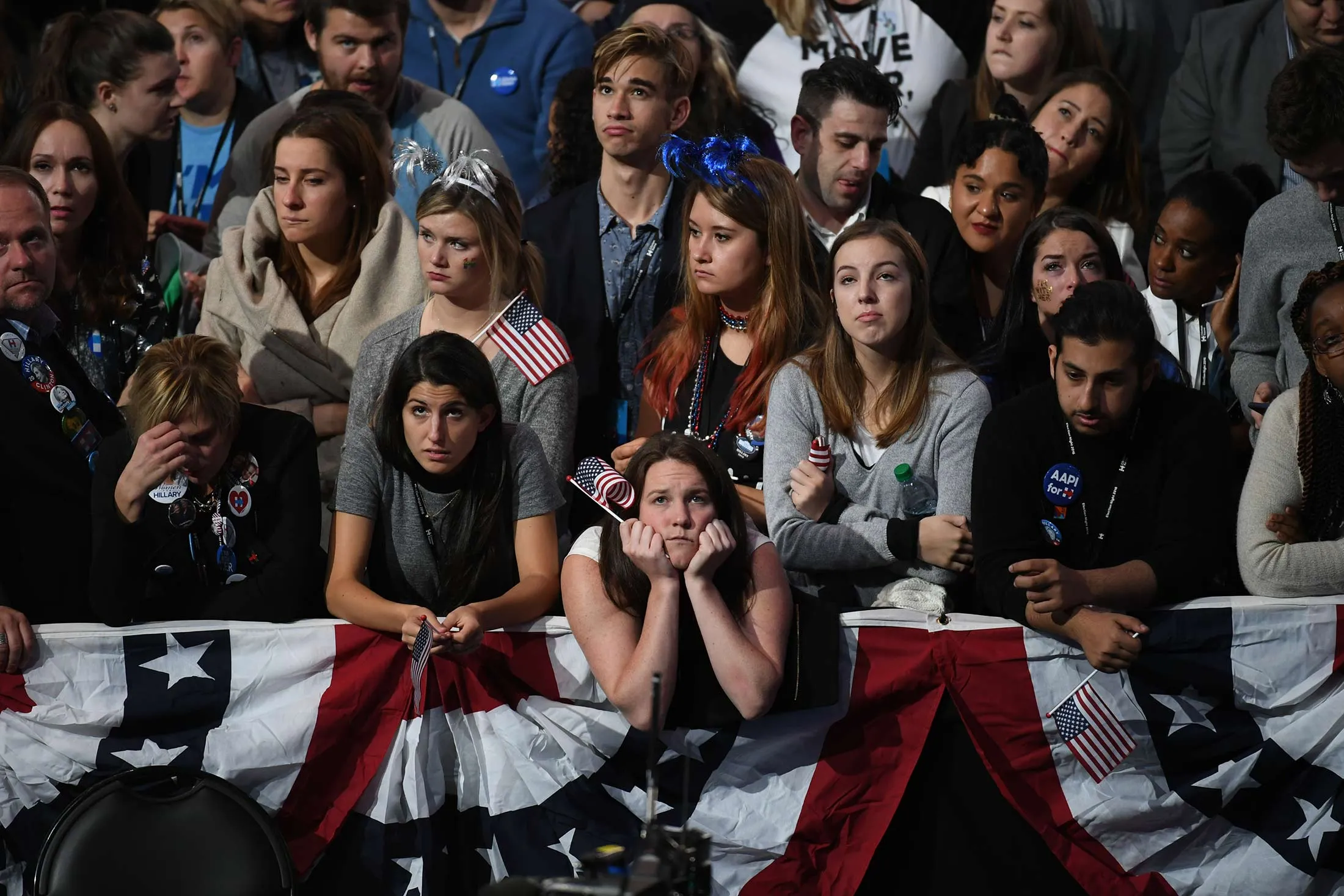
Early analysis suggests Republican turnout lagged significantly behind expectations. While Democrats appeared energized and motivated to participate in the special election, many GOP voters simply stayed home.
Low turnout races can produce unusual results, but the scale of the swing has raised eyebrows across the political spectrum.
Democratic strategists have quickly framed the victory as evidence of growing frustration with Trump’s second-term policies. Issues surrounding immigration enforcement, executive authority, and political rhetoric have all been cited as factors that may be reshaping voter attitudes.

For Democrats, the win offers both momentum and symbolism.
Flipping a district so strongly aligned with Trump suggests that shifts in voter enthusiasm could be developing beneath the surface of American politics.
Republican leaders, however, caution against overinterpreting a single special election. Historically, such contests often reflect temporary conditions rather than long-term trends.
Still, even some GOP insiders acknowledge the result carries uncomfortable implications.
If voters who once turned out reliably for Trump-backed candidates are losing enthusiasm, the consequences could extend far beyond one district in Texas.
The response from Trump himself added another layer of intrigue to the story.
Shortly after the defeat became clear, the former president attempted to distance himself from the outcome, noting that he personally had not been on the ballot.
The comment surprised some observers.
After all, Trump had actively promoted the candidate during the campaign, praising her publicly and urging supporters to rally behind her bid for office.
That shift in tone has sparked renewed debate about the strength of Trump’s political influence.
For years, his endorsement has been viewed as one of the most powerful forces in Republican primaries and local races.
Yet if candidates aligned closely with his brand begin struggling in traditionally safe districts, strategists may need to reconsider long-held assumptions.
Looking ahead to the 2026 midterm elections, the Texas result has injected fresh uncertainty into national political calculations.
Both parties will study the numbers closely, searching for clues about whether the outcome represents an isolated anomaly or the first signal of a broader shift in voter behavior.
For now, one thing is certain.
In a state famous for predictable political outcomes, this election delivered a reminder that American politics can still produce surprises powerful enough to reshape the conversation overnight.