Gas Prices, Politics, and a Familiar American Debate
In the United States, few economic issues reach into everyday life as quickly as the price of gasoline. When fuel costs rise, the impact is immediate. Commuters feel it during their daily drives, families notice it in their weekly budgets, and businesses face higher transportation expenses that often ripple through the prices of goods and services.
So when gasoline prices began climbing again in recent days, it didn’t take long for the political debate to follow.
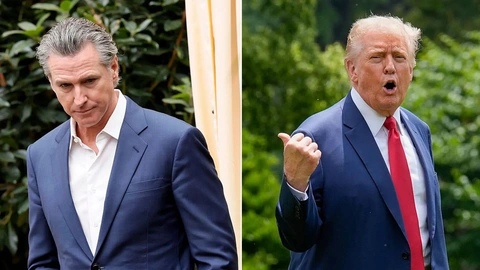
Within hours, a public exchange between former U.S. president Donald Trump and California governor Gavin Newsom captured national attention. What began as a discussion about oil markets quickly evolved into a broader argument about energy policy, economic pressure, and the role of political leadership during uncertain times.
While the headlines focused on their disagreement, the moment revealed something deeper about the challenges facing American households today.
A Sudden Spike in Fuel Prices

Energy markets are known for volatility, but the recent rise in oil prices caught the attention of both economists and political leaders. Global crude prices began climbing as geopolitical tensions raised concerns about possible disruptions to oil supply.
Whenever instability appears in key oil-producing regions, traders often react quickly. Even before any real shortage occurs, markets can surge based on the fear that supply might be threatened.
For consumers, however, the reason behind the increase matters less than the result. Gas station prices can rise within days, and sometimes even within hours, after wholesale fuel costs begin moving upward.
Drivers pulling up to the pump notice the difference immediately.
Trump’s Perspective: Markets Often Stabilize
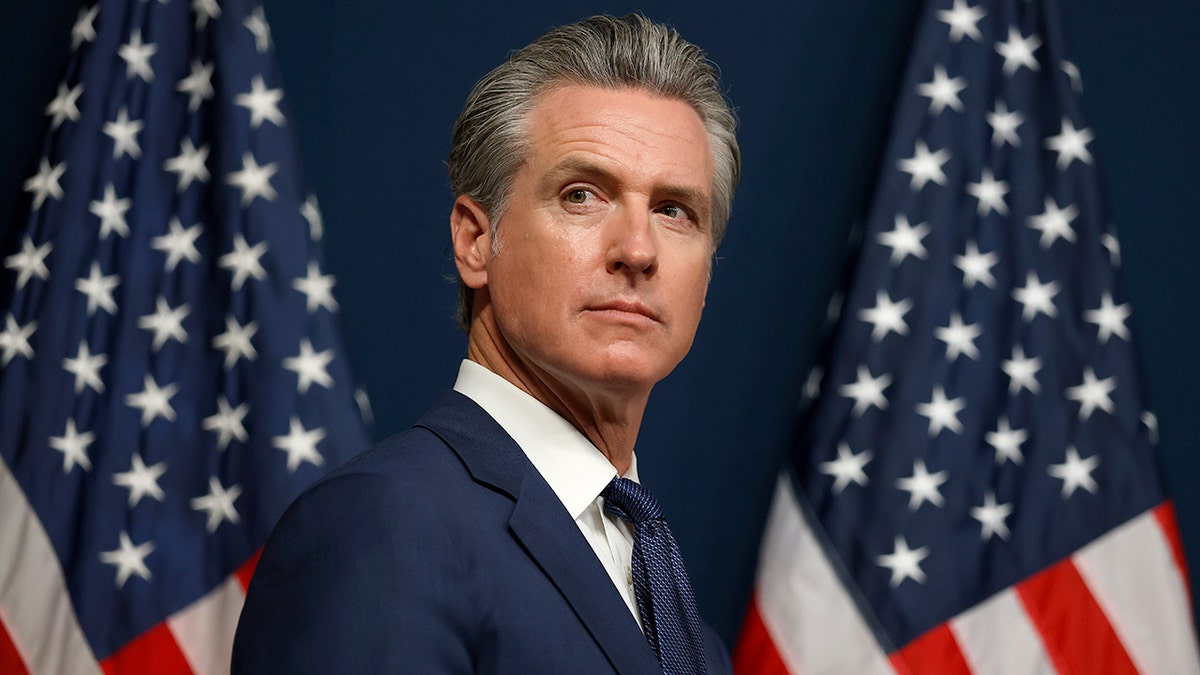
Speaking about the price surge, Donald Trump suggested that Americans should not panic.
According to him, energy markets have historically reacted strongly to global events but often settle down once the initial shock fades. In his view, the current spike could be temporary, driven more by geopolitical uncertainty than by a long-term shortage of oil.
Supporters of Trump echoed that argument, pointing out that oil prices have repeatedly experienced sharp swings over the past several decades. They believe that while short-term volatility is unavoidable, the market typically corrects itself once the situation stabilizes.
For many Americans who have lived through previous fuel price fluctuations, this explanation sounded familiar. Energy markets rise, fall, and sometimes swing dramatically before returning to more predictable levels.
But not everyone agreed with that optimistic outlook.
Newsom Pushes Back

California governor Gavin Newsom quickly offered a very different perspective.
Responding publicly, Newsom argued that even a short-term rise in gasoline prices can place immediate financial pressure on millions of families. For households already dealing with rising grocery bills, housing costs, and insurance payments, an extra dollar at the pump can make a noticeable difference.
Newsom suggested that political leaders should take the issue more seriously, emphasizing that temporary spikes can still cost consumers billions of dollars collectively.
His response spread quickly across social media and television networks, turning what might have been a routine economic discussion into a high-profile political exchange.
Within hours, commentators across the country were analyzing the clash between the two leaders.
A Deeper Divide in Energy Policy

The disagreement between Trump and Newsom reflects a larger political divide that has shaped American energy policy for years.
Republican leaders, including Trump, have frequently focused on expanding domestic oil production. Their argument is that increasing supply within the United States strengthens energy independence and helps keep fuel prices lower for consumers.
Democratic leaders, including Newsom, often emphasize transitioning toward renewable energy sources such as solar, wind, and electric transportation. At the same time, they argue that government policy should protect consumers from price shocks during the transition away from fossil fuels.
These two visions represent fundamentally different approaches to the country’s energy future.
And when gasoline prices rise, those differences become especially visible.
Why Fuel Prices Matter So Much
Gasoline holds a unique place in the American economy. Unlike many other expenses, fuel prices are displayed publicly on large signs outside gas stations across the country. Drivers see them every day.
That visibility makes fuel costs a powerful political symbol.
When prices climb, voters often look to political leaders for explanations or solutions—even though global energy markets are influenced by dozens of international factors beyond the control of any single government.
Oil production levels, shipping routes, geopolitical conflicts, currency values, and market speculation all contribute to price changes.
Still, the public often expects leaders to respond.
The Global Forces Behind Oil Prices

Experts note that no single event usually causes fuel prices to rise. Instead, a combination of global pressures tends to push markets upward.
Conflicts or political instability in oil-producing regions can create uncertainty about future supply. Traders, reacting to that uncertainty, may begin purchasing contracts at higher prices, driving markets upward before any real disruption occurs.
Shipping bottlenecks, production cuts by oil-exporting nations, and changes in global demand can also contribute to rising prices.
Because energy markets operate globally, a disruption thousands of miles away can quickly affect the cost of gasoline in American cities.
For drivers, the effect can be surprisingly fast.
A Familiar Concern for Older Generations
For many Americans over the age of 45, the current debate about fuel prices carries echoes of earlier economic crises.
Some remember the oil shortages of the 1970s, when long lines formed at gas stations across the country. Others recall the dramatic price increases that followed conflicts in the Middle East or the global financial crisis of 2008.
Those experiences created a lasting awareness of how energy prices can influence the broader economy.
When fuel costs rise, transportation becomes more expensive. Businesses often pass those higher costs along to consumers through increased prices for food, goods, and services.
As a result, even a temporary spike in gasoline prices can create widespread concern.
Politics in the Social Media Era
Another reason the Trump-Newsom exchange gained attention so quickly is the speed of modern political communication.
In earlier decades, disagreements between political leaders unfolded through press conferences or televised speeches. Today, social media allows those disputes to spread instantly to millions of people.
Supporters and critics respond within minutes, amplifying the debate and often transforming economic discussions into viral political moments.
That dynamic was clearly visible in this case.
Within hours, the conversation about gasoline prices had become part of a broader national political narrative.
The Reality Facing American Families
For many Americans, however, the debate feels far less ideological.
Families balancing mortgages, groceries, childcare costs, and transportation expenses simply want fuel prices that remain affordable.
They are less concerned with which political argument wins and more focused on the practical reality of their monthly budgets.
Every additional dollar spent filling the tank is money that cannot be spent elsewhere.
A Debate That Will Continue
The exchange between Donald Trump and Gavin Newsom may eventually fade from the headlines. Political controversies often move quickly, replaced by new issues competing for public attention.
But the underlying debate about energy policy is unlikely to disappear.
The United States continues to face difficult questions about how to balance economic stability, environmental responsibility, and energy security.
As long as gasoline prices remain a central part of everyday life, those questions will continue shaping the national conversation.
And whenever fuel prices spike again—as they inevitably will—the debate between competing visions for America’s energy future will likely return just as quickly. ⛽⚡