Inside the MAGA Rift: Trump Faces Growing Backlash as Iran Conflict Divides His Own Movement


For years, Donald Trump’s political strength has rested on one powerful foundation: an intensely loyal base that rarely fractured in public. But this week, something unusual began to unfold—an increasingly visible divide within the movement that helped propel him to power.
The catalyst is the escalating conflict involving Iran. What began as a foreign policy decision has rapidly evolved into a heated debate inside the very coalition that once rallied around Trump’s promise to keep America out of new overseas wars.
Some of Trump’s most recognizable supporters are now questioning the direction of the administration’s strategy. The criticism is notable not only for its content but for who is delivering it—figures who have long been associated with the MAGA political orbit.

Representative Marjorie Taylor Greene was among the first high-profile voices to publicly raise concerns. She pointed to Trump’s past campaign pledges about ending “endless wars” and questioned how the United States found itself confronting another potential military conflict.
Conservative commentator Matt Walsh added fuel to the debate by accusing fellow conservatives of abruptly shifting their positions. In online posts and interviews, Walsh argued that some media figures were now defending policies they once strongly opposed.
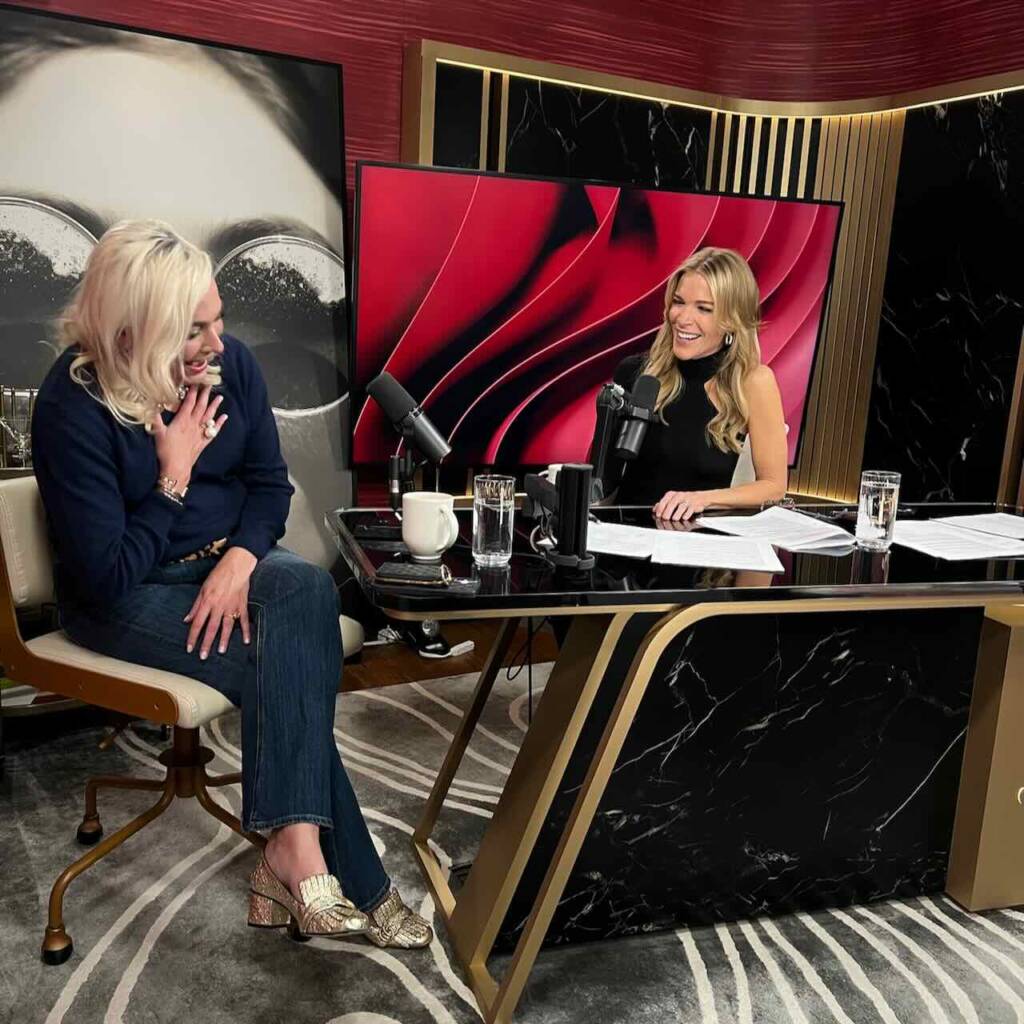
The criticism didn’t stop there. Influential media personalities including Tucker Carlson and Megyn Kelly have also questioned the broader implications of the Iran strategy, reflecting growing unease among segments of conservative media.
Even more controversial voices, such as Nick Fuentes, joined the chorus of skepticism. While not representative of the entire movement, the combined criticism highlights a rare moment when disagreements within Trump’s base are playing out openly.

Trump himself has responded forcefully. In public remarks and social media posts, the former president dismissed critics and insisted that the MAGA movement remains firmly aligned with him. At one point, he bluntly declared that “MAGA is Trump.”
The comment was interpreted by supporters in different ways. For some, it reinforced the personal loyalty that has defined the movement since its creation. For others, it raised uncomfortable questions about whether the movement can tolerate internal disagreement.
Inside the White House, officials have been working to control the narrative surrounding the Iran decision. Supporters of the policy argue that the situation is fundamentally different from previous U.S. military engagements in the Middle East.
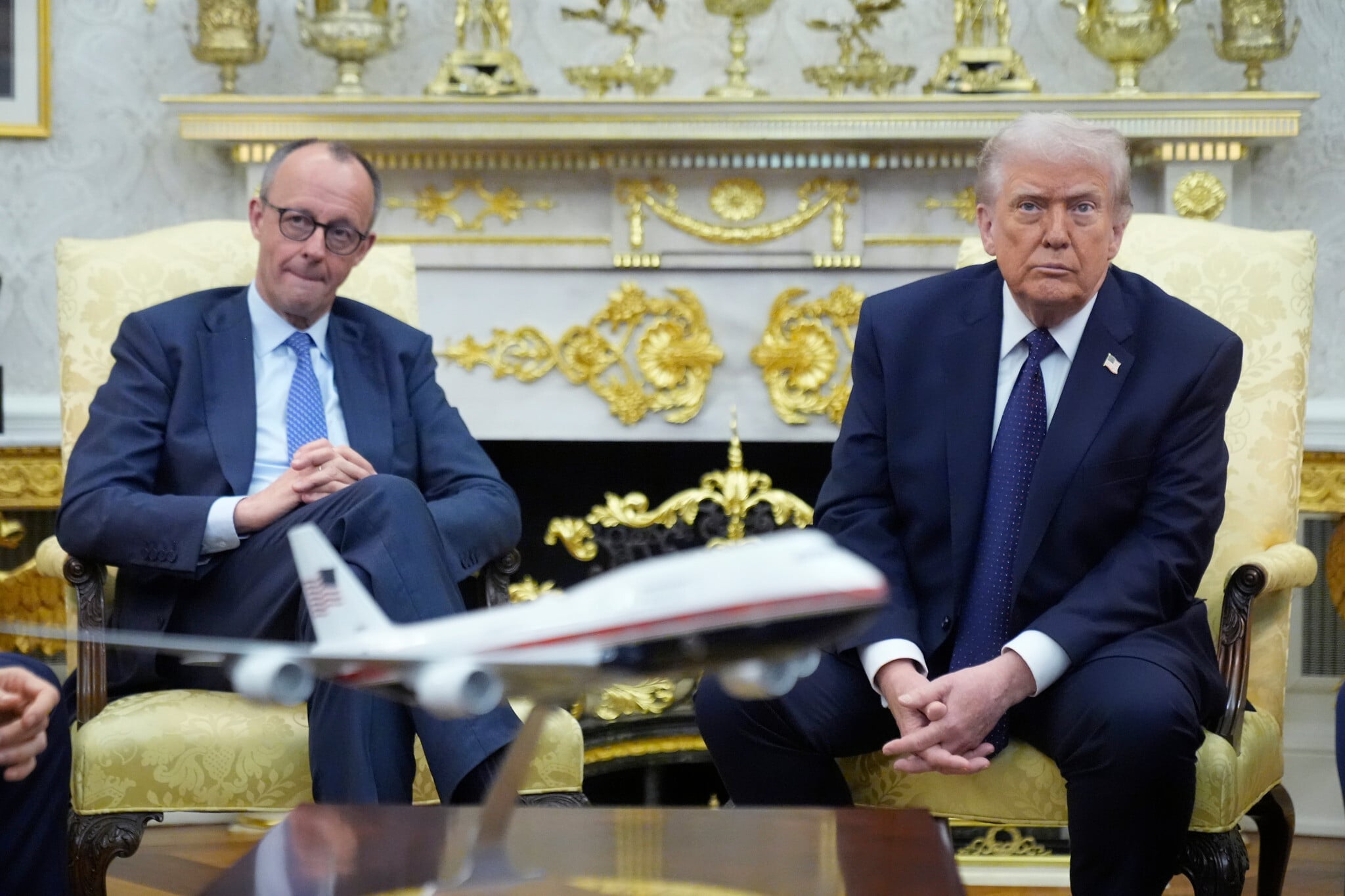
Vice President JD Vance has taken a leading role in defending the administration’s position. In recent appearances, he emphasized that the current strategy should not be compared to past wars such as Iraq or Afghanistan.
Despite those efforts, the backlash continues to ripple through conservative media and online communities. Commentators who once spoke with near unanimity now appear divided on both the policy itself and the messaging surrounding it.
Political analysts say the moment is significant because it reveals a rare vulnerability within a movement known for its cohesion. Trump’s political brand has always thrived on loyalty and unity, particularly during moments of controversy.
Whether this disagreement evolves into a lasting fracture remains uncertain. Political movements often experience internal debates during moments of major policy decisions, particularly those involving international conflict.
Still, the public nature of the dispute is striking. The voices challenging Trump are not outsiders or longtime opponents—they are figures who helped amplify and shape the MAGA message for years.
As the conflict with Iran continues to unfold, the question looming over Washington is no longer only about foreign policy. Increasingly, observers are asking whether the real battle may be unfolding within Trump’s own political movement.